Materials & tools
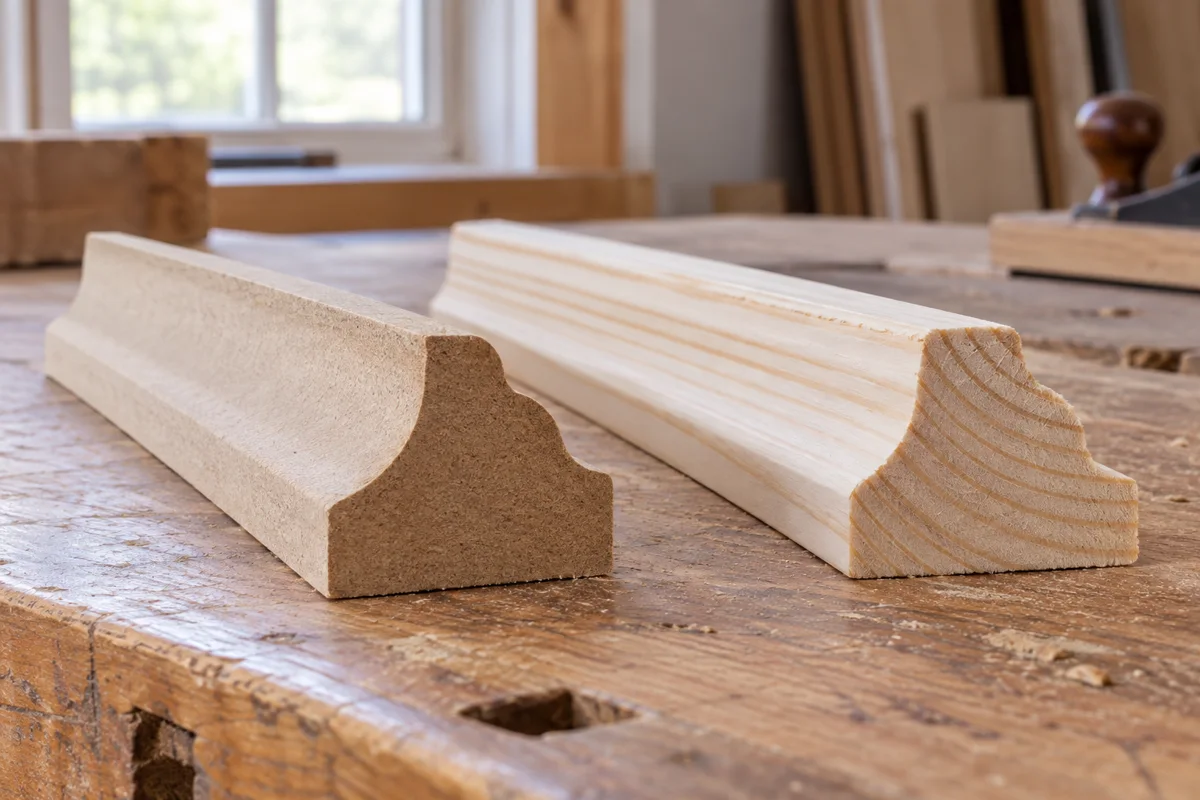
MDF or solid wood for painted interior trim
A smooth painted surface can hide very different materials. The right choice depends on the room, the profile and how the edges will be treated.
Read the guideA closer look
Choose the stock and equipment that suit the job.
Materials & tools
A smooth painted surface can hide very different materials. The right choice depends on the room, the profile and how the edges will be treated.
Read the guideMaterials & tools
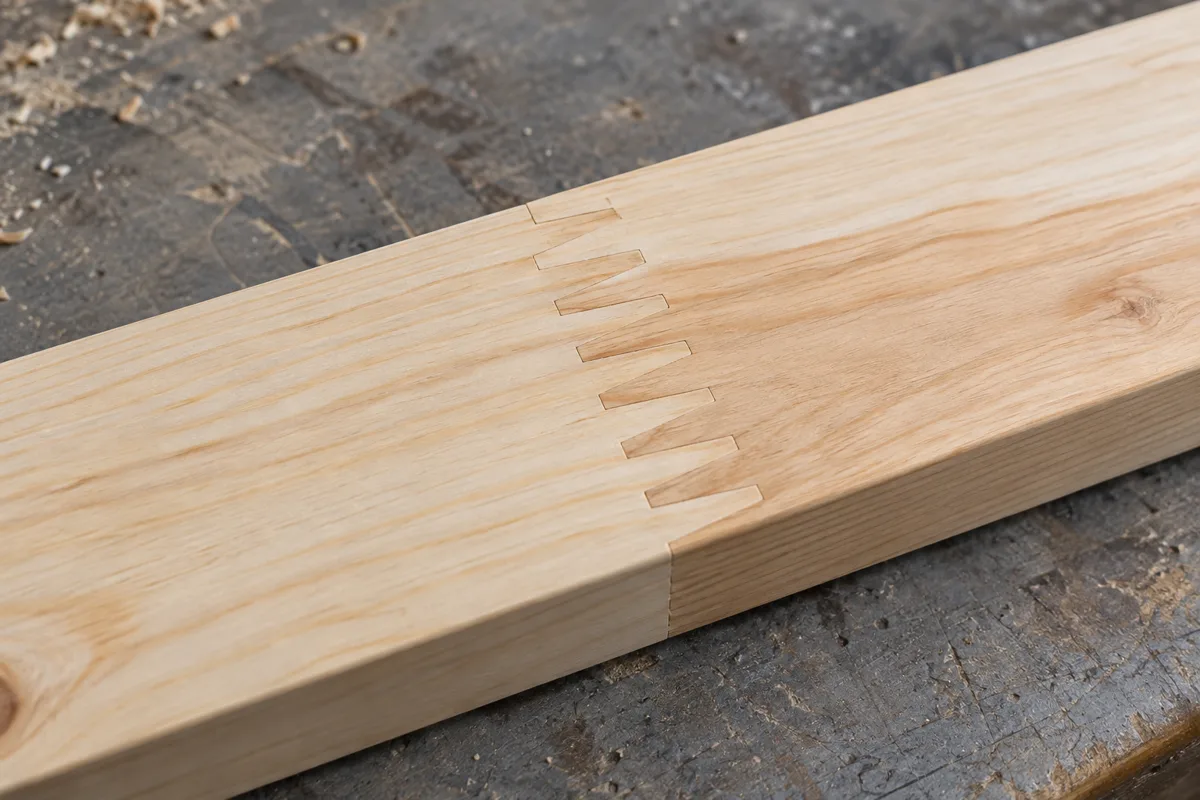
Small interlocking joints can make long paint-grade boards practical, but they are worth inspecting before you bring the bundle home.
Read the guideMaterials & tools
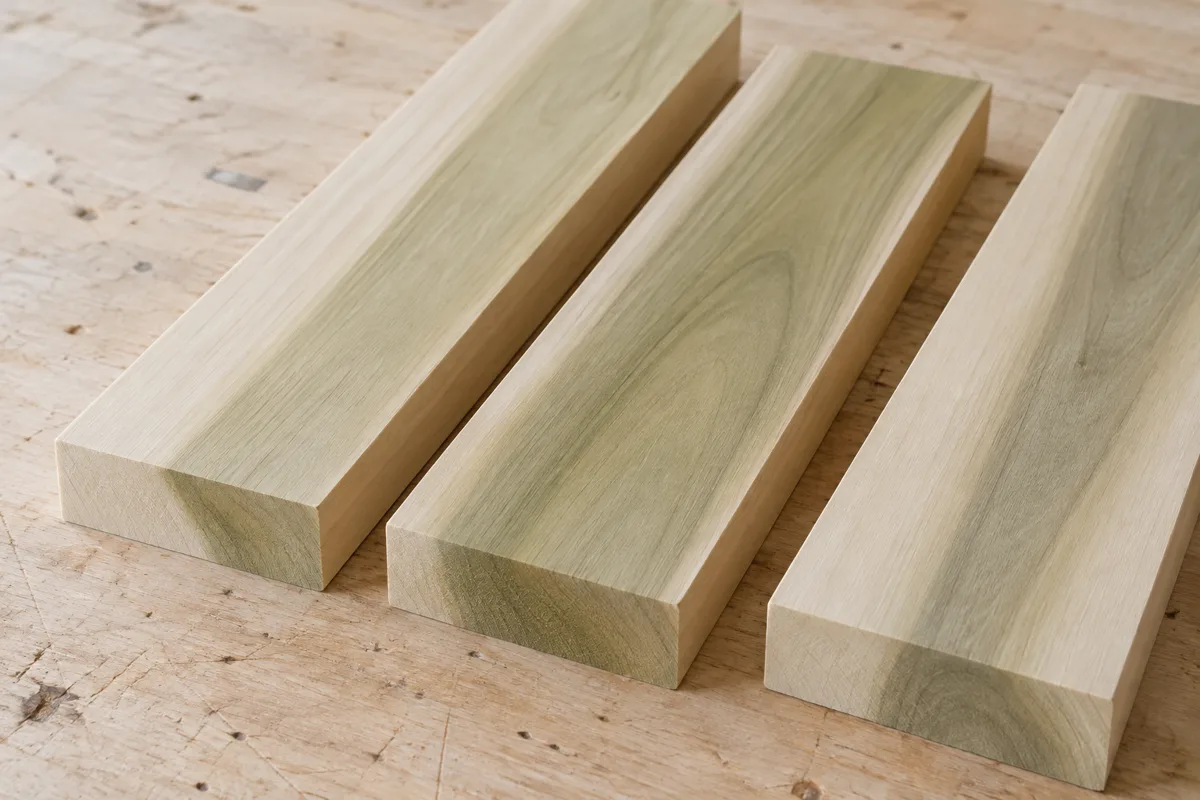
Poplar can be a useful paint-grade wood when you want a solid-wood edge and are willing to prepare its changing color beneath the finish.
Read the guideMaterials & tools
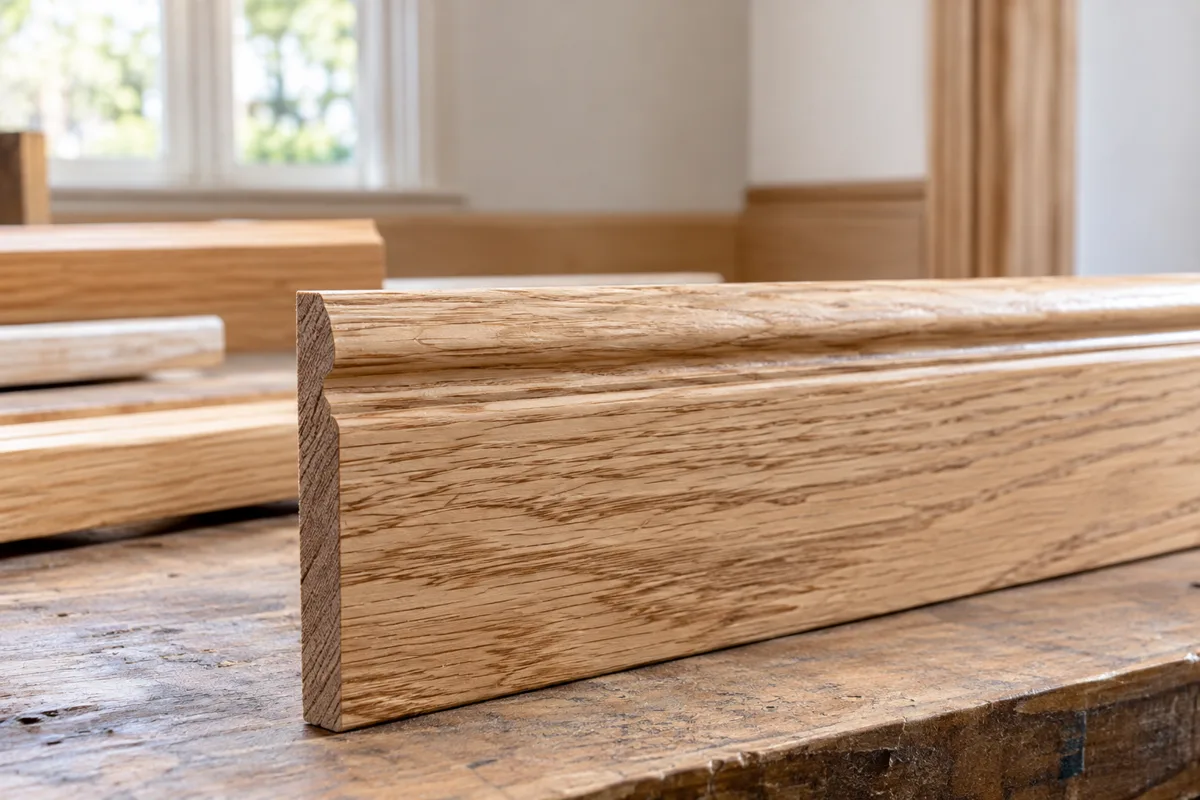
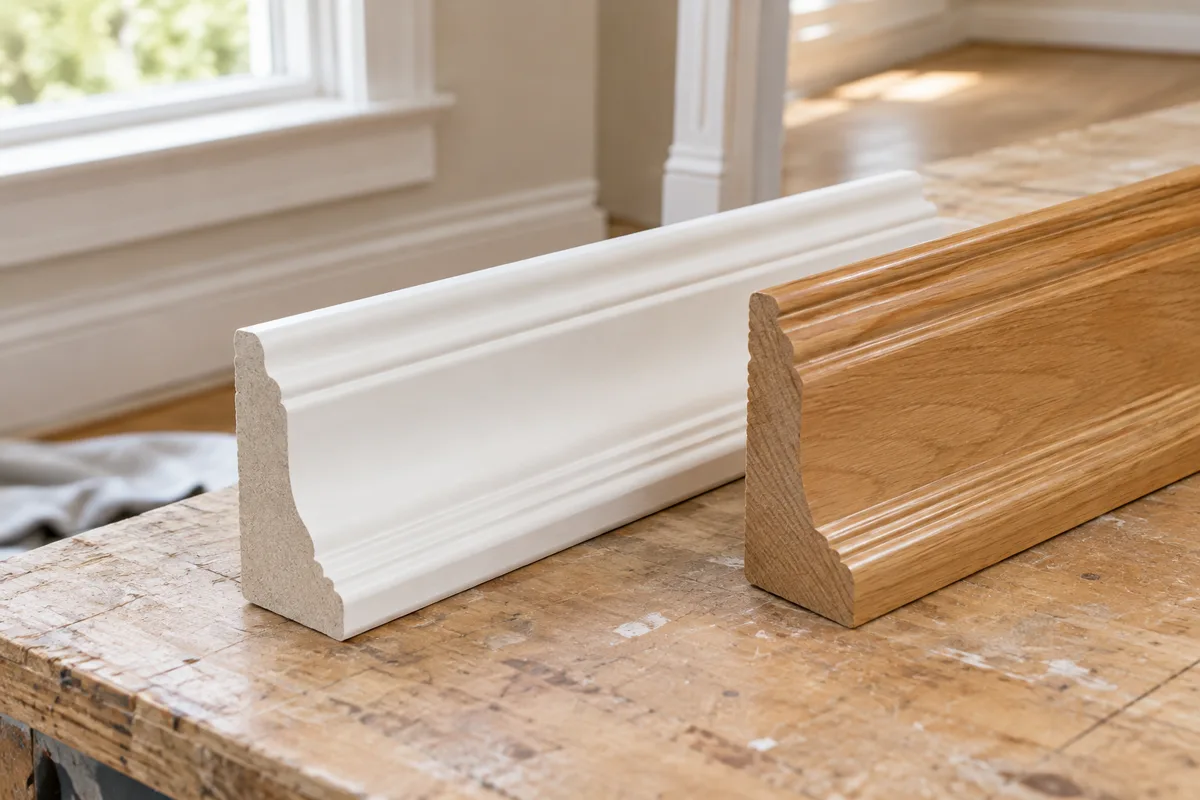
Two oak moldings can share a stain color and still look very different. Grain direction, board selection and the room's light explain why.
Read the guideMaterials & tools
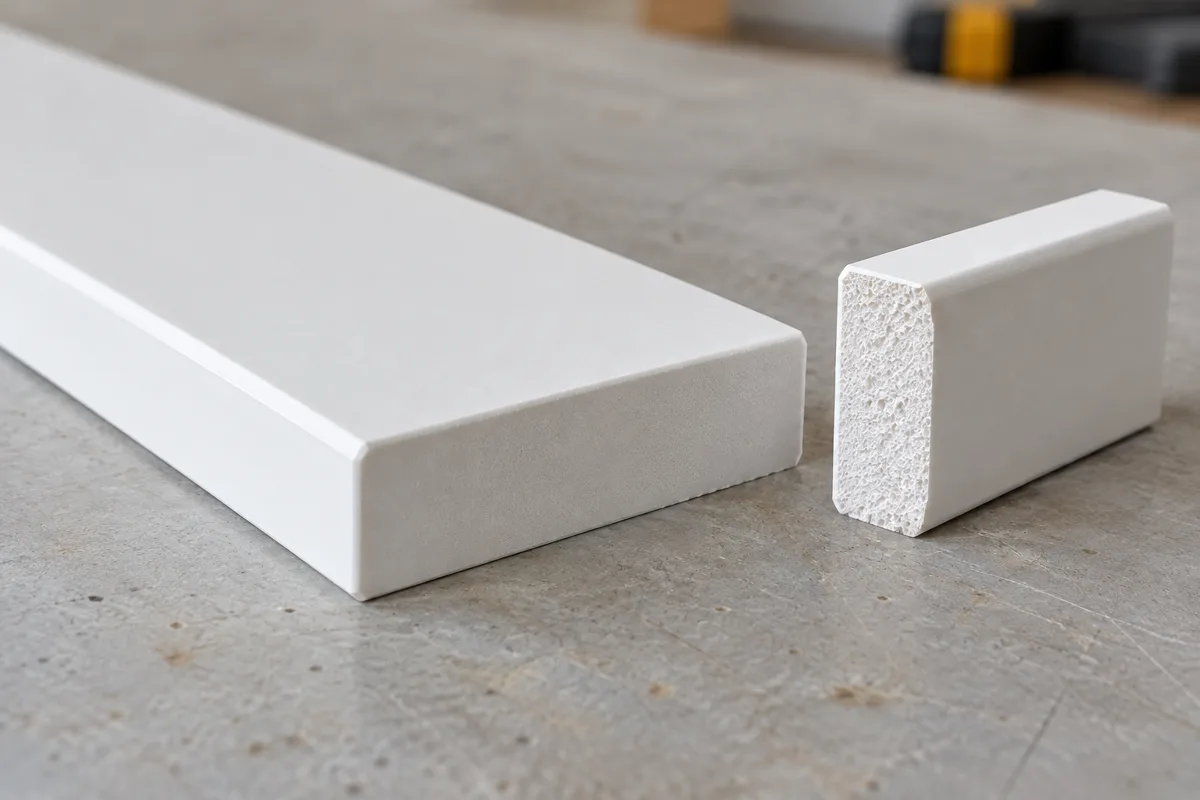
Cellular PVC can make sense in selected damp locations, provided the surrounding construction and the product's movement requirements are handled correctly.
Read the guideMaterials & tools
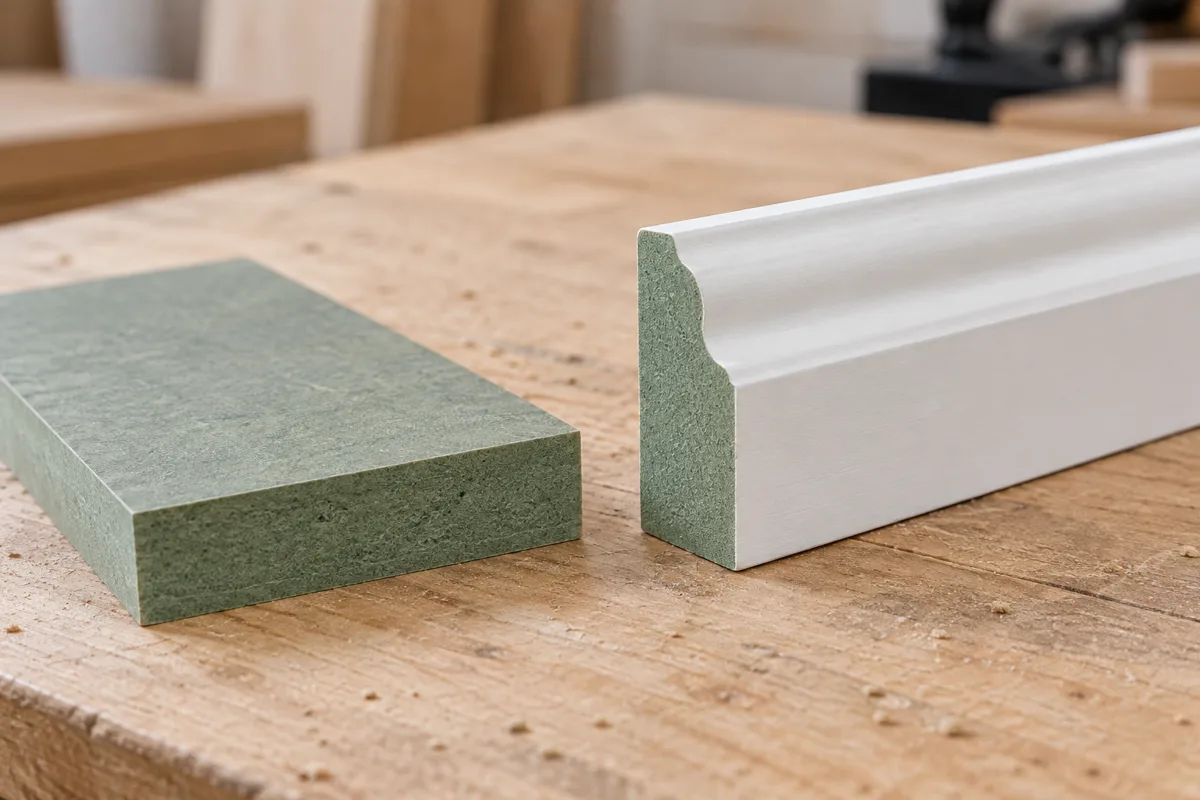
An improved MDF grade can be useful in a humid interior, but its rating and finishing requirements matter more than the color of its core.
Read the guideMaterials & tools
One is prepared for a finish coat; the other arrives with a finished surface. That difference changes the order, handling and touch-up plan.
Read the guideMaterials & tools
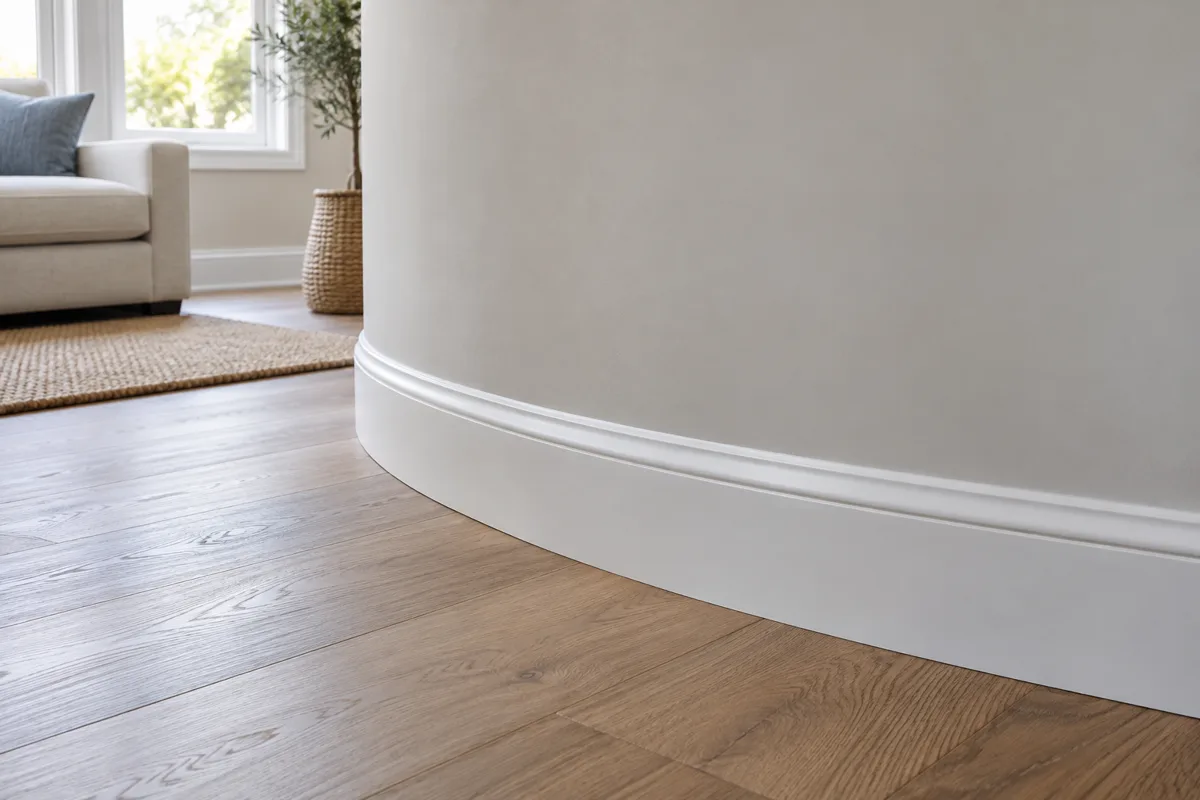
A curved wall needs a material and profile that can follow its geometry. A flexible product is not a substitute for measuring the curve.
Read the guideMaterials & tools
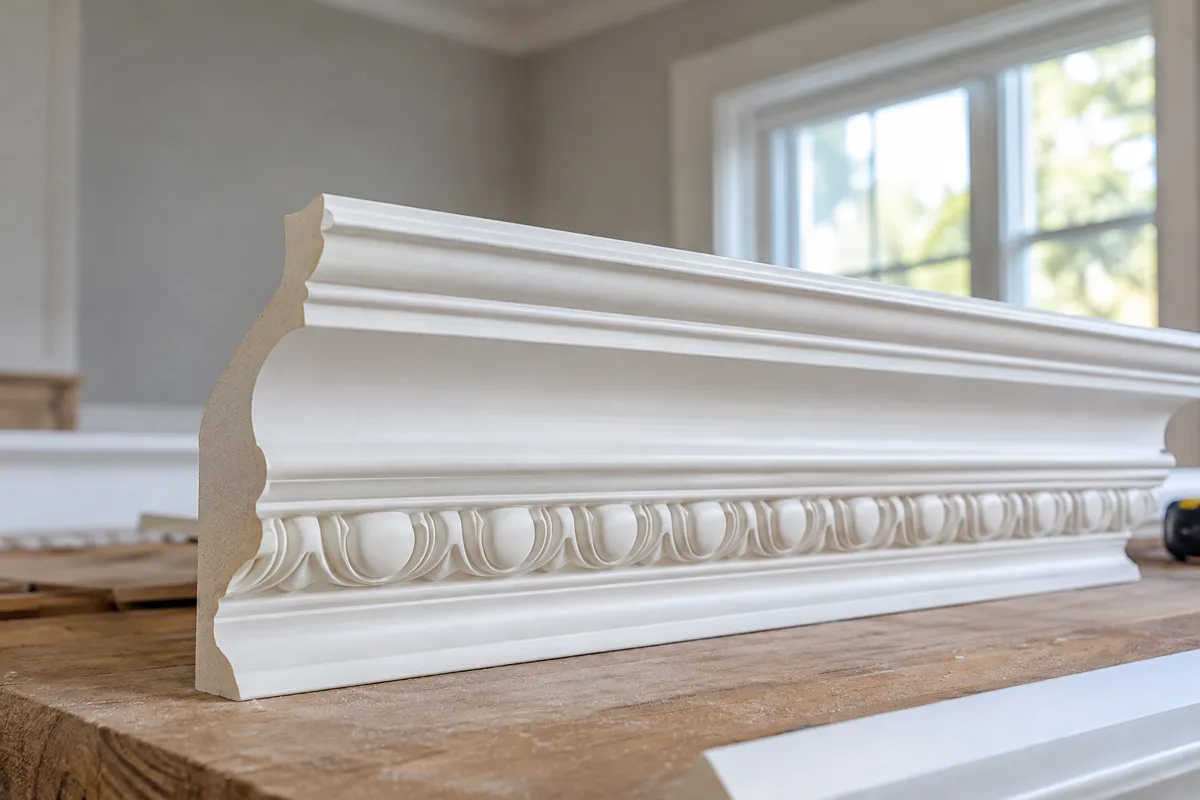
A lightweight molded profile can simplify an ornate detail, but inspect the surface, edges and mounting requirements before choosing it.
Read the guide