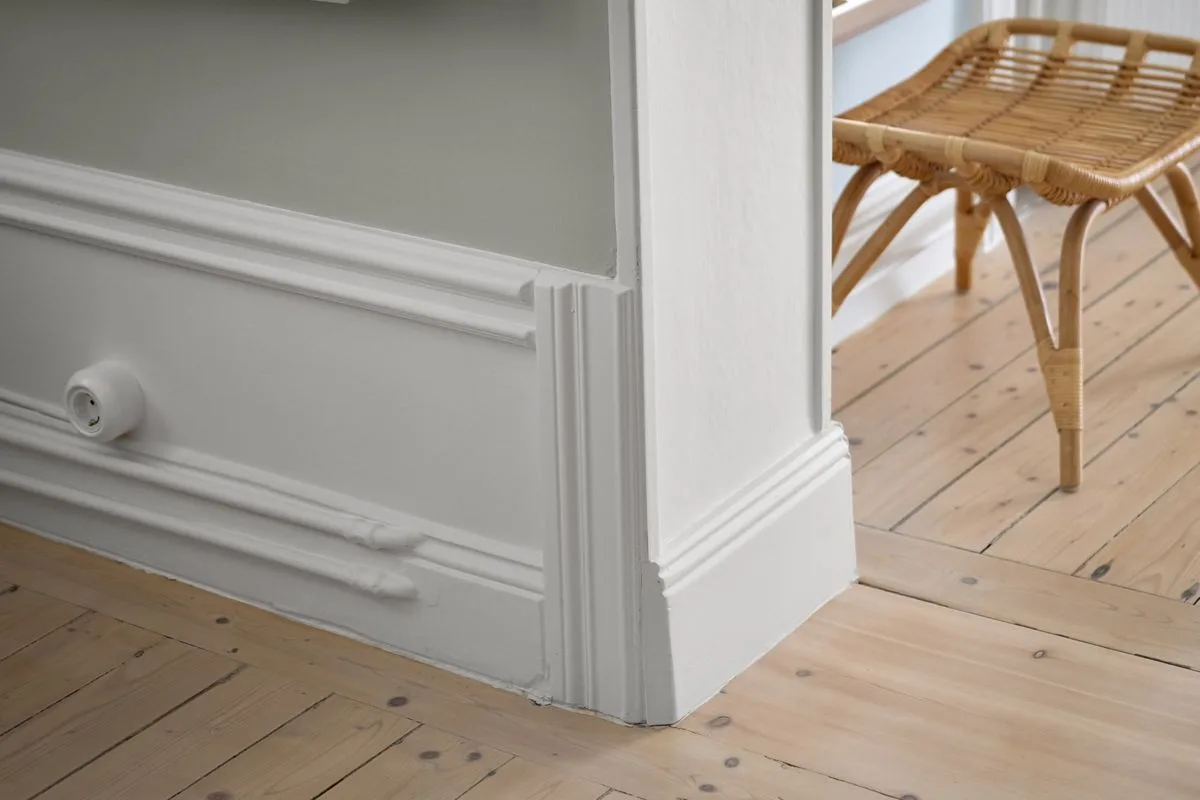
Baseboards & casings
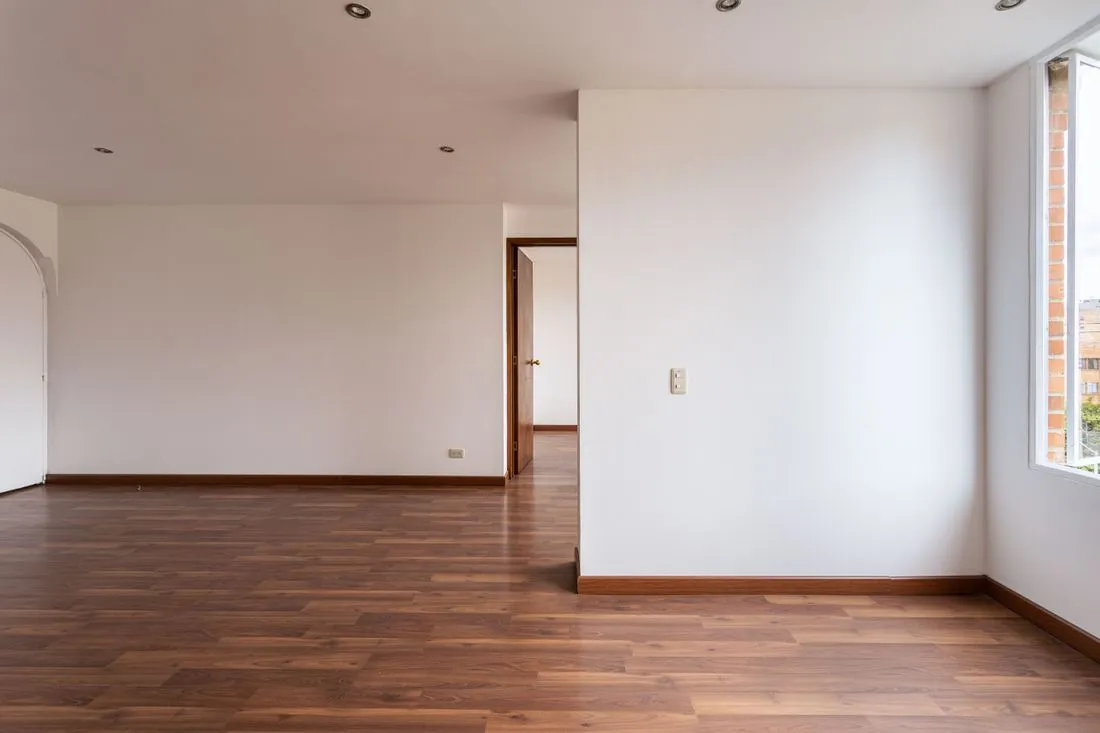
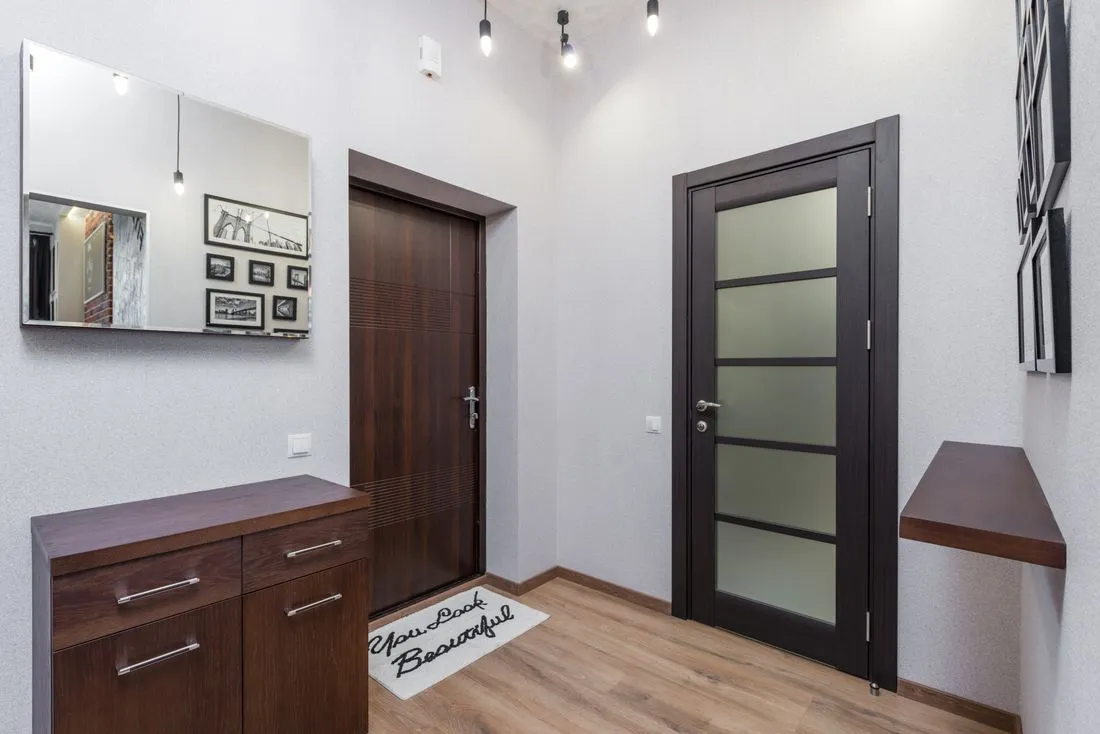
How tall should a baseboard be? Start with the door casing.
A strip of trim has to work with more than the ceiling height. Look at the adjoining woodwork before choosing a taller profile.
Read the guideA closer look
Understand the edges around floors, doors and windows.
Baseboards & casings
A strip of trim has to work with more than the ceiling height. Look at the adjoining woodwork before choosing a taller profile.
Read the guideBaseboards & casings
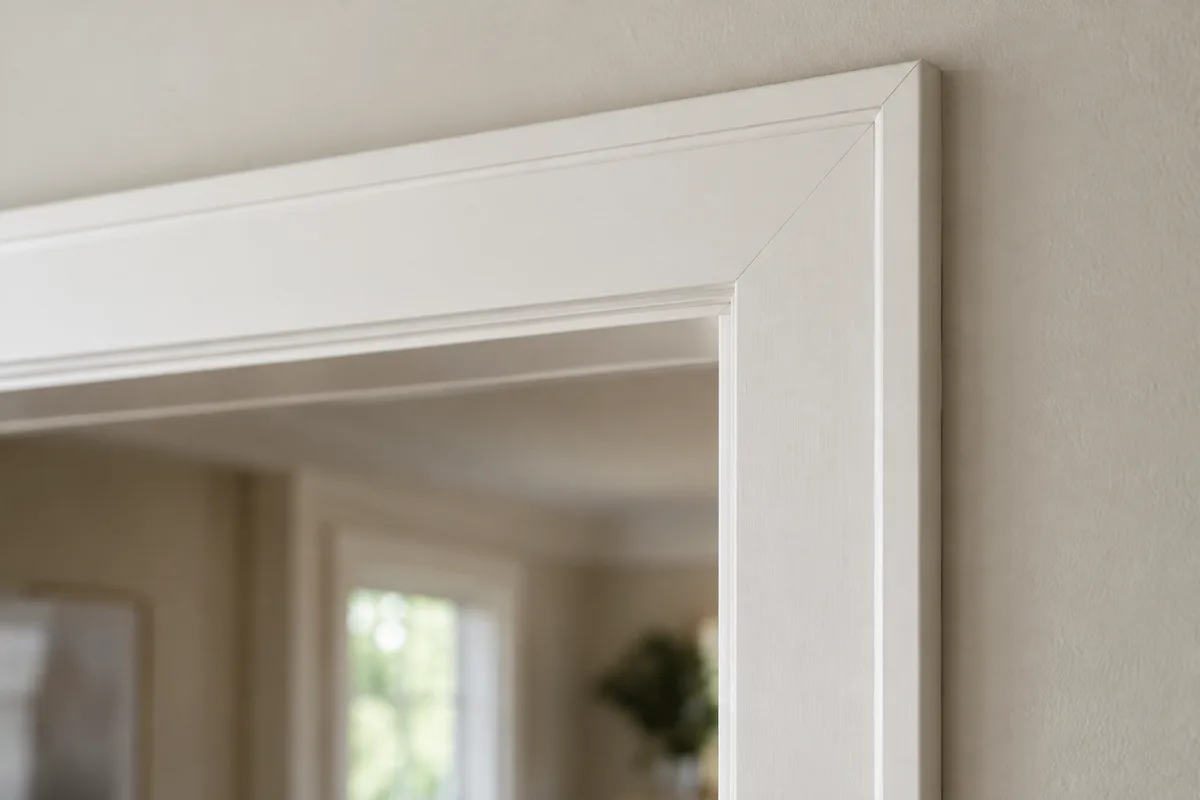
A flat board and a shaped profile can have the same height yet give a room very different edges.
Read the guideBaseboards & casings
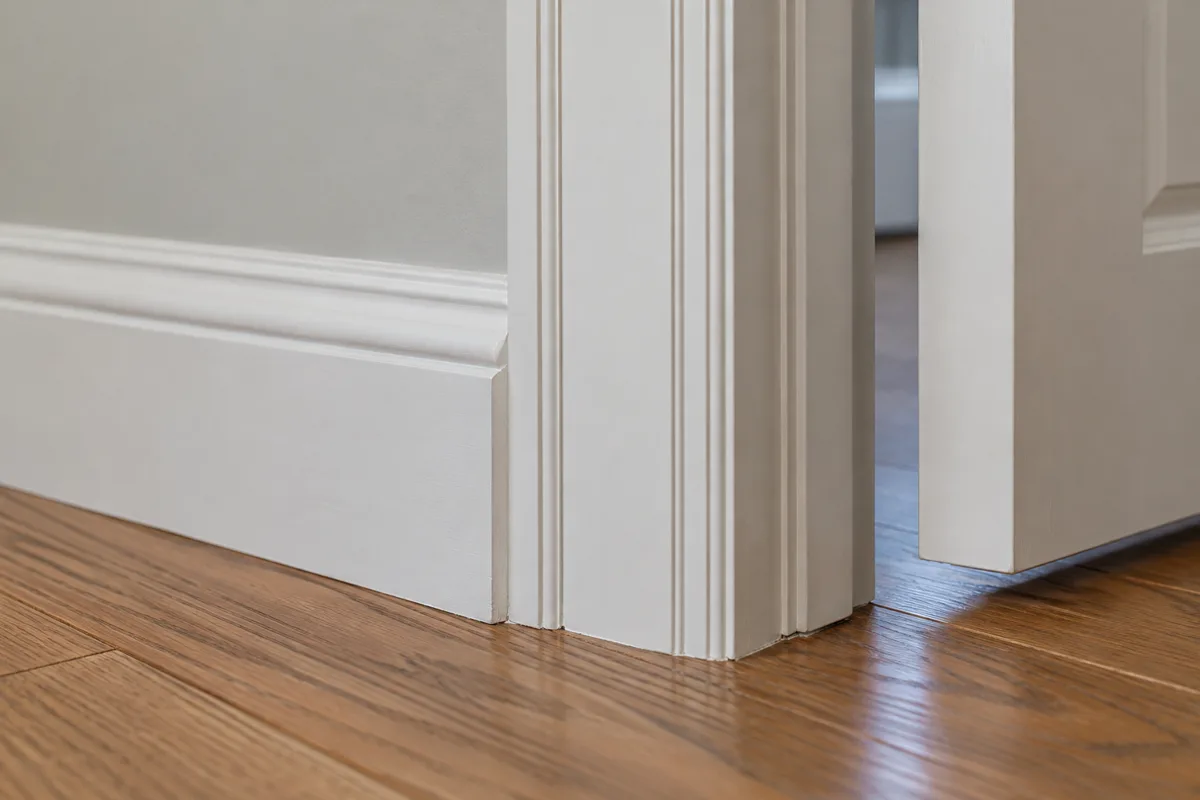
The depth relationship at a doorway often matters more than matching the decorative curves.
Read the guideBaseboards & casings
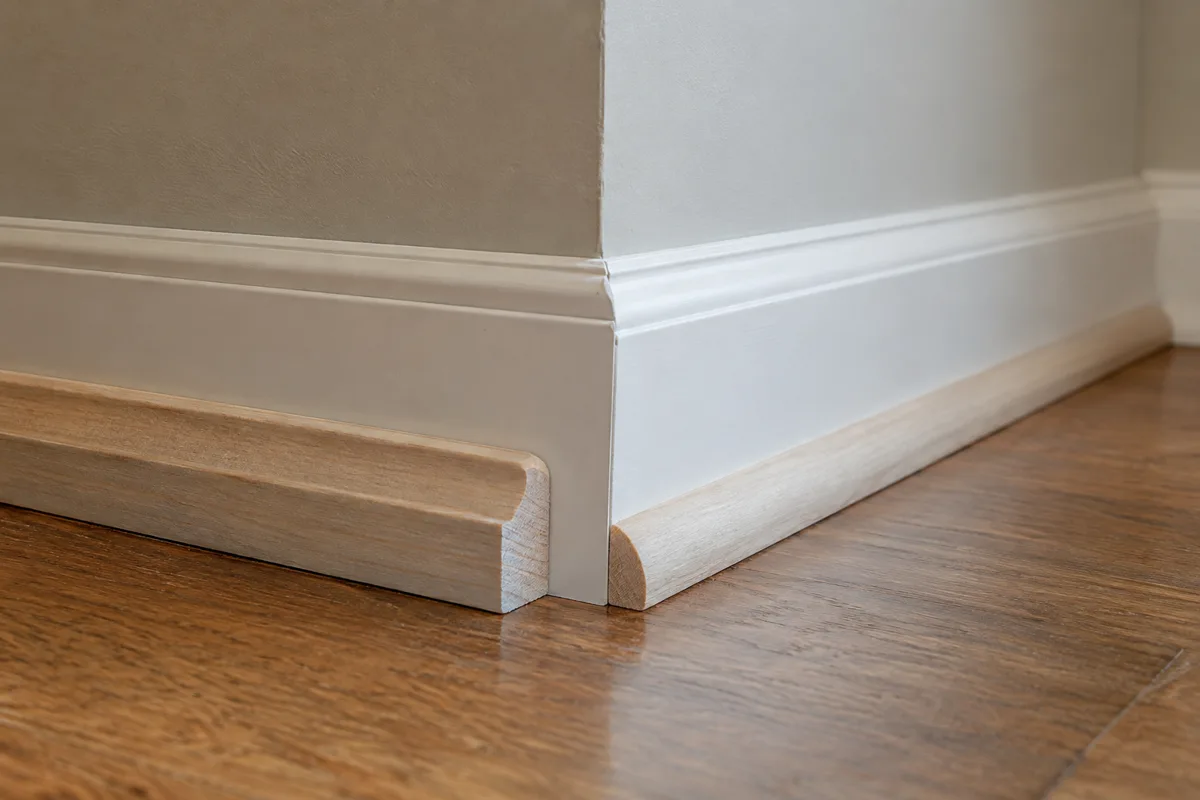
Compare the shape, projection, and intended endpoint before choosing the small molding at the floor.
Read the guideBaseboards & casings
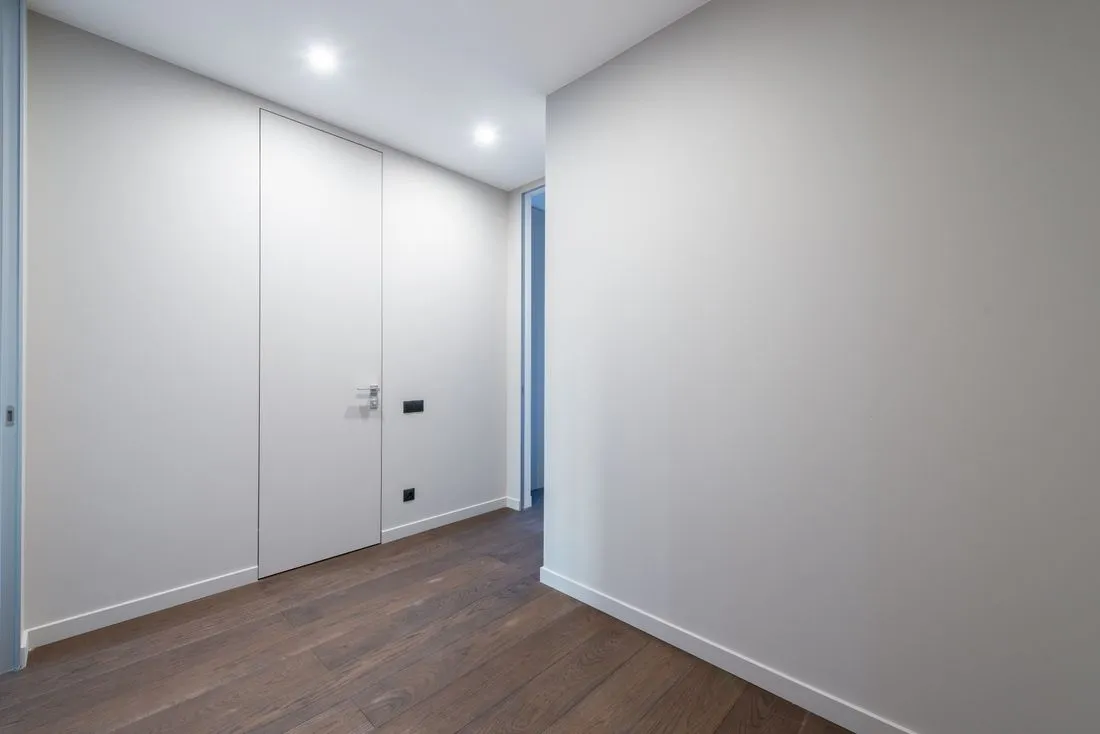
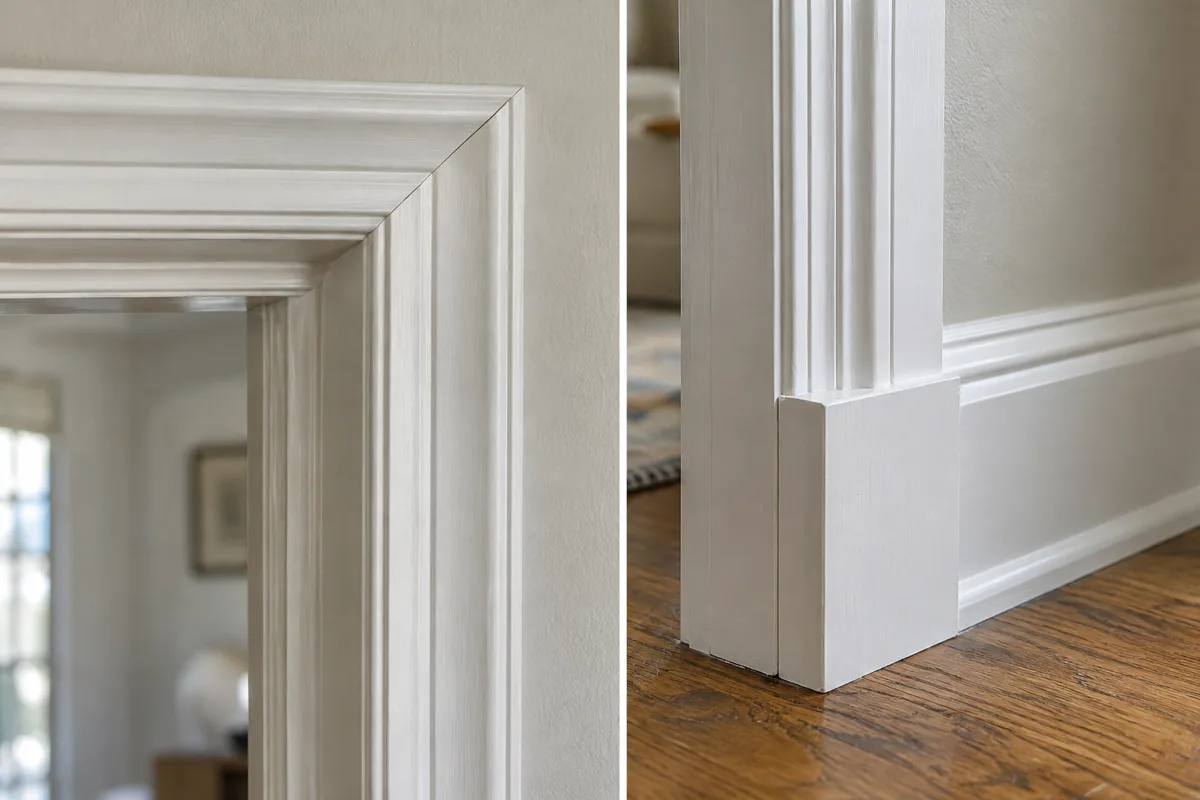
A clean floor-to-baseboard junction is planned early, not achieved by leaving off the final strip.
Read the guideBaseboards & casings
Test casing width against nearby switches, corners, and other openings before judging it on the door alone.
Read the guideBaseboards & casings
A consistent strip of exposed jamb helps a doorway read as a carefully assembled set of parts.
Read the guideBaseboards & casings
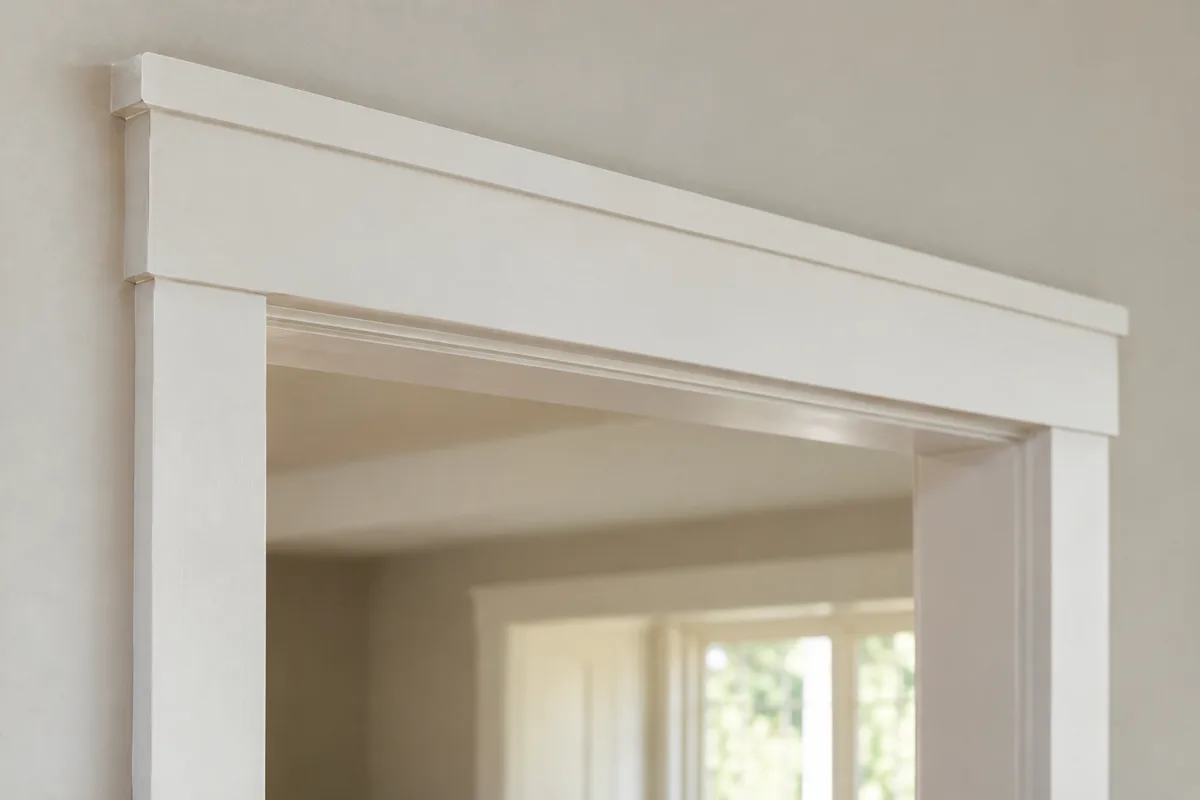
A few plain boards can frame a doorway well when their overhangs and depth are kept in proportion.
Read the guideBaseboards & casings
The joint should support the molding's shape, not force a favorite detail onto the wrong profile.
Read the guide