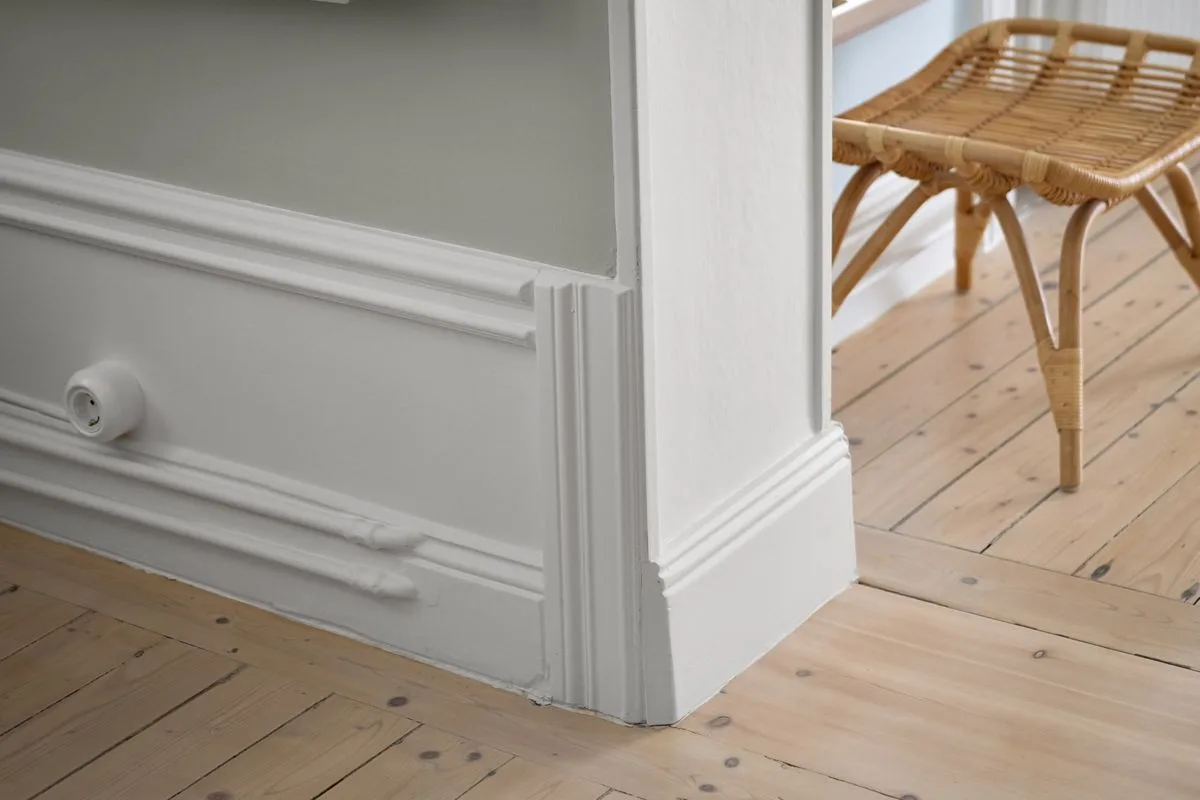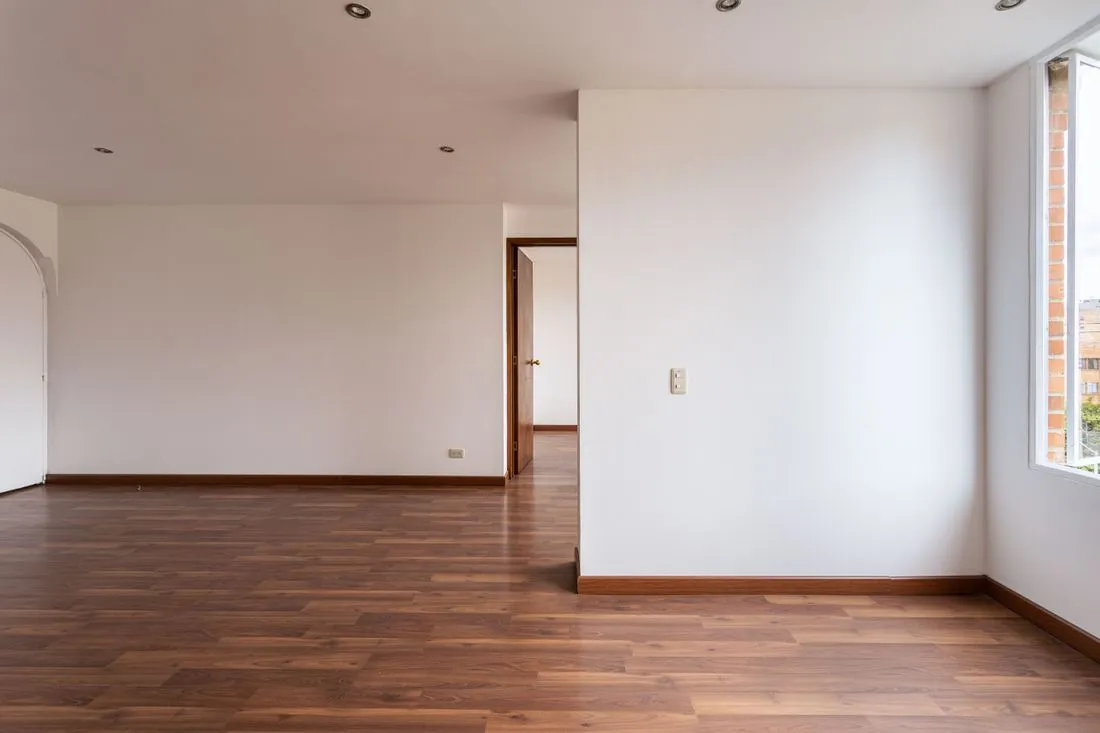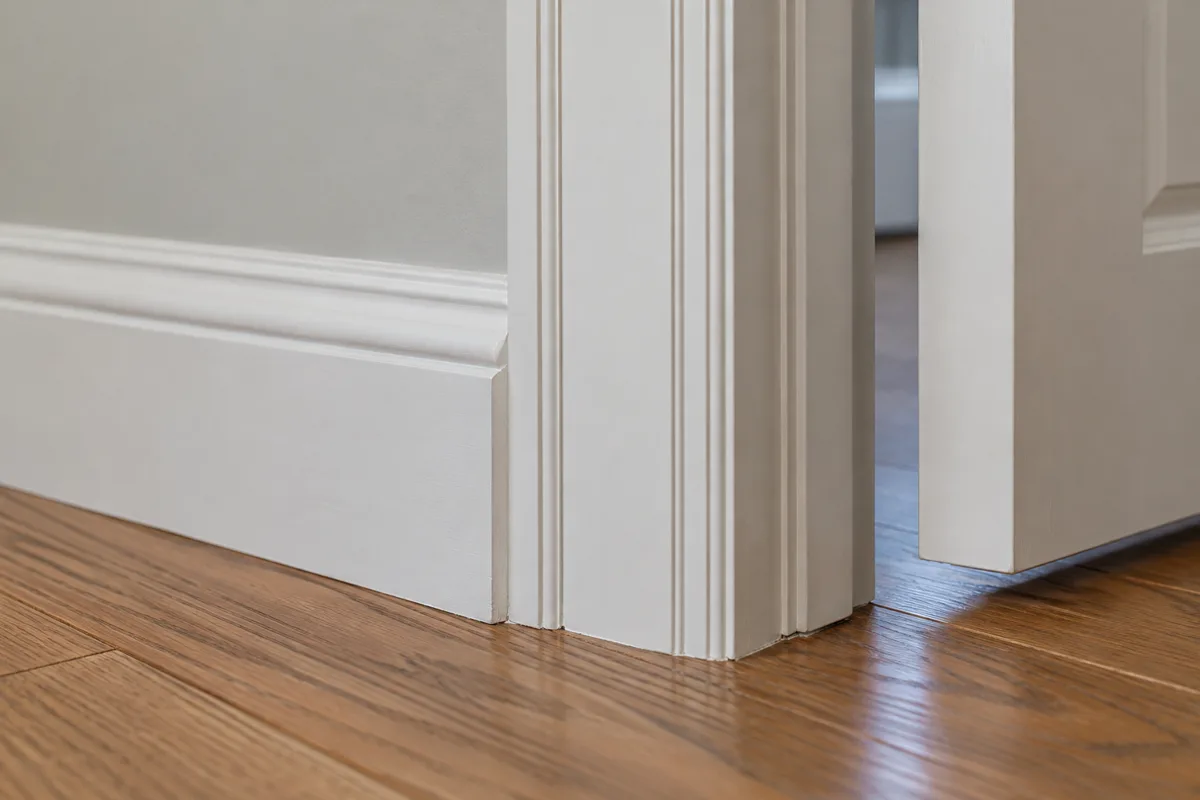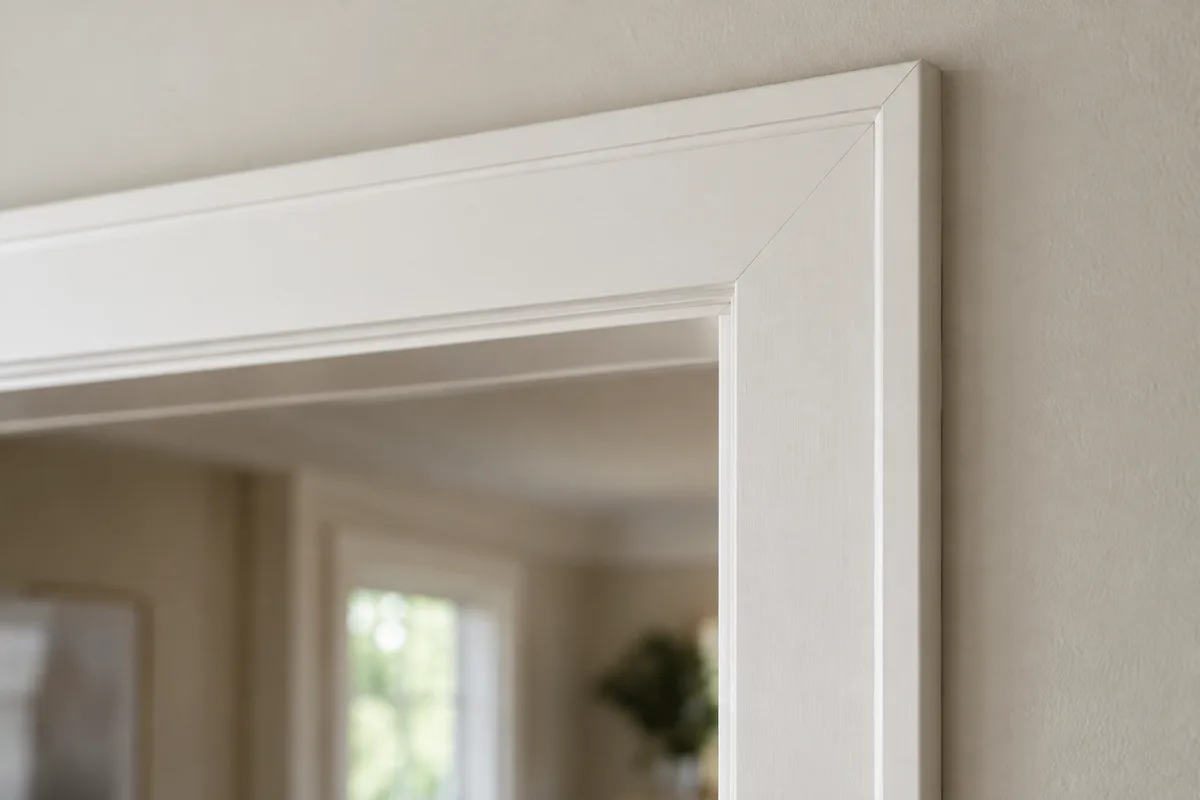
The reveal is the narrow part of the door jamb left visible inside the casing. It is easy to overlook when shopping for trim, yet it creates a second outline around the opening. If that outline changes unpredictably, the doorway can look uneven even when the decorative casing itself is attractive.
There is no reason to choose a reveal from a photograph without checking the actual jamb. Existing door hardware, the jamb's shape, the casing profile, and the condition of the opening all affect the detail. A small sample held against the installed frame shows much more than an isolated dimension.
Set the relationship before the cuts
Choose a reveal that leaves a clear, readable line and works with the door's operation. Mark the proposed edge in several places rather than judging it by eye at one corner. A marking gauge or a simple reference block can help repeat an agreed distance, but the opening still needs to be checked for irregularities.
Look at the upper corners particularly closely. The horizontal and vertical reveals should appear to meet deliberately. A miter that aligns perfectly on its outside edges can still look wrong if the inner border wanders.
An old jamb may not be straight, square, or flush with the surrounding wall. That calls for an installation decision, not a casual adjustment of the reveal from one end to the other. A carpenter may need to address the backing, wall junction, or jamb condition before the casing can sit properly. Trim is not a reliable way to conceal a frame that is moving or a door that does not work correctly.
Judge the line with the door in use
Open and close the door while the samples are in place. Check hinges, the latch area, and any projecting hardware. The casing should frame the opening without becoming an obstacle. Around a paired set of doors, compare both sides together so an isolated choice does not produce mismatched borders.
Paint can slightly soften a crisp edge, especially where several earlier coats have accumulated. When matching an existing room, compare the finished appearance rather than assuming the original carpenter used the dimension you measure today.
Record the selected reveal with the rest of the trim details. It is a small number, but keeping it intentional across a room does more for consistency than making every piece of molding equally ornate. The eye notices the repeated line long before it notices the profile name.