Room planning
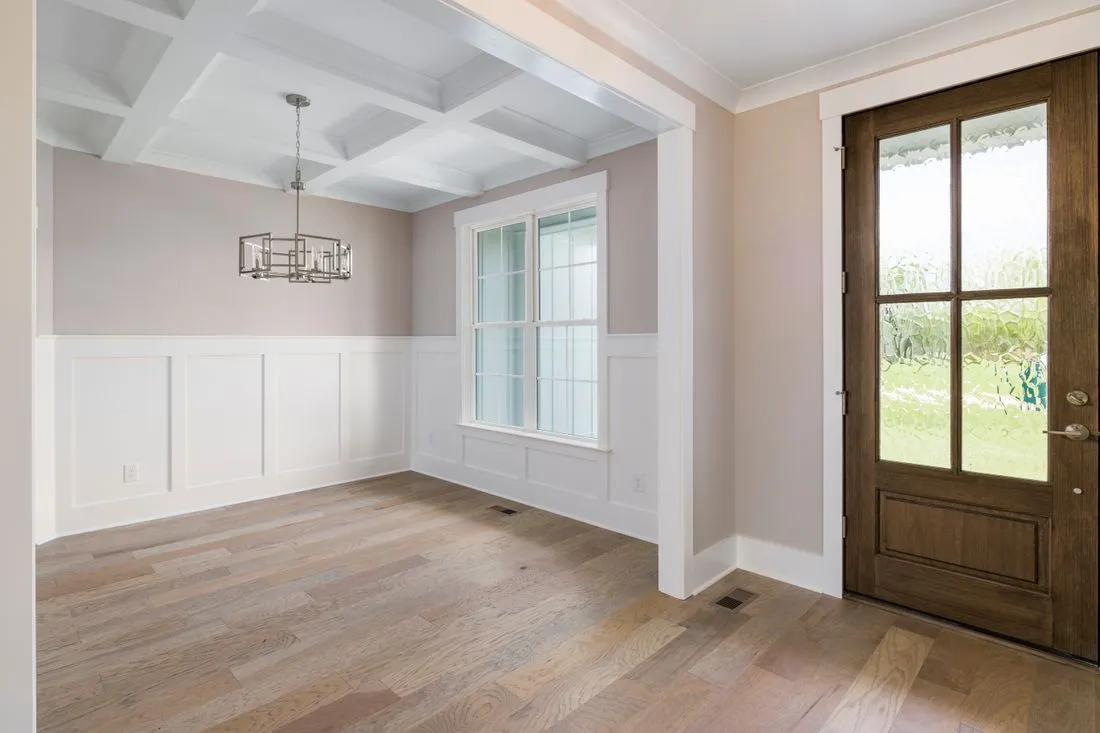
An entryway trim plan that survives daily traffic
Bags, boots and a swinging door put different demands on an entrance than a quiet sitting room.
Read the guideA closer look
Connect small changes to the room around them.
Room planning
Bags, boots and a swinging door put different demands on an entrance than a quiet sitting room.
Read the guideRoom planning
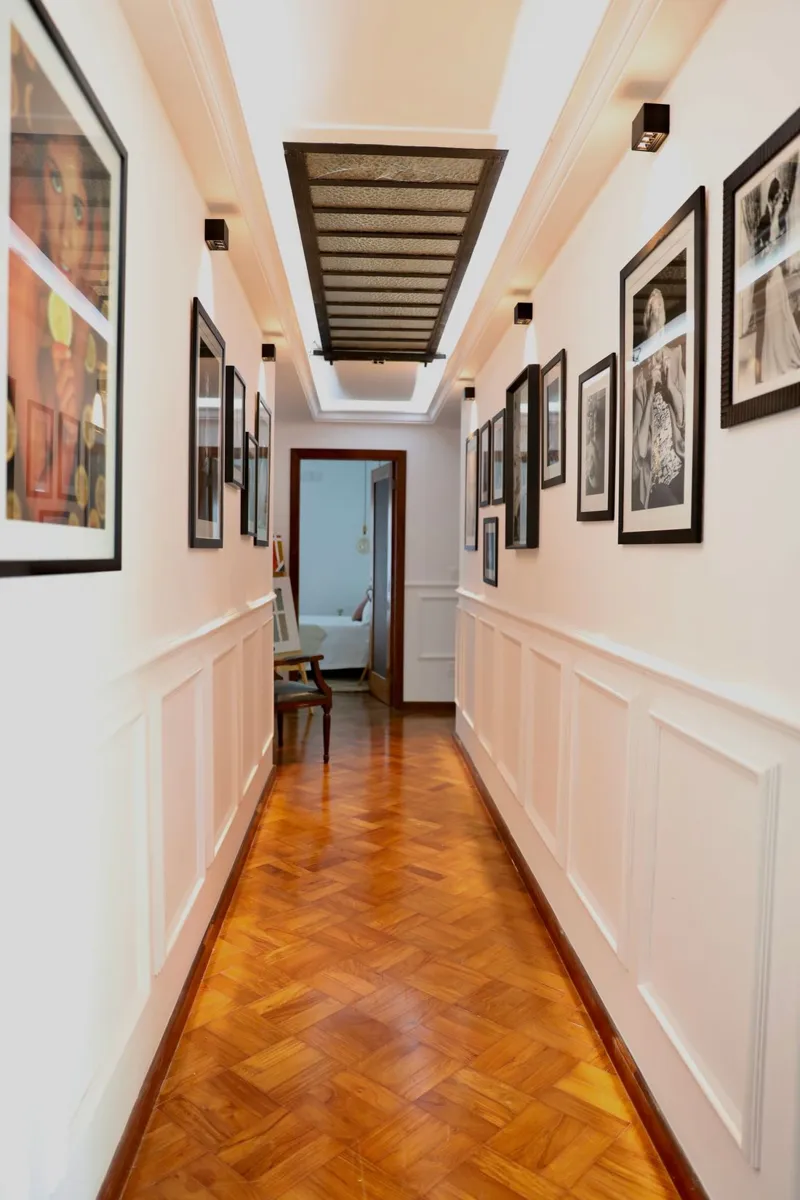
Repeated doorways already create a pattern. Work with that pattern before adding another one along the walls.
Read the guideRoom planning
A room can hold several kinds of detail without asking every wall to become the main event.
Read the guideRoom planning
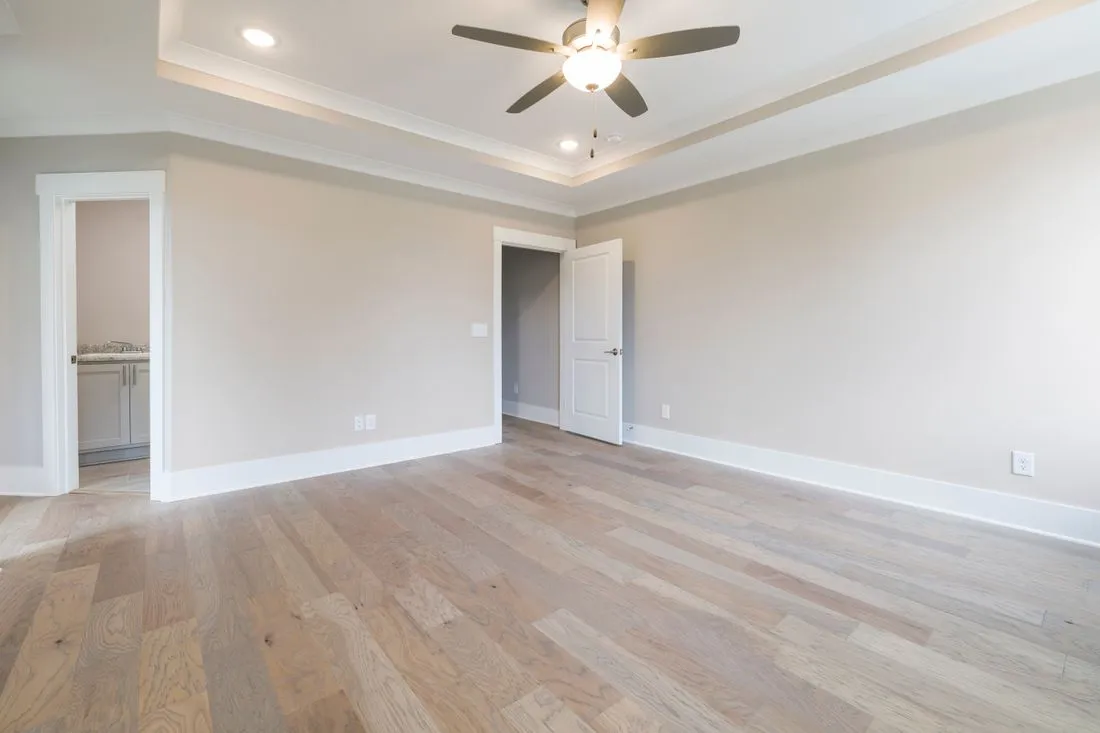
Consider what you see from the bed, where furniture covers the wall and how evening light catches a profile.
Read the guideRoom planning
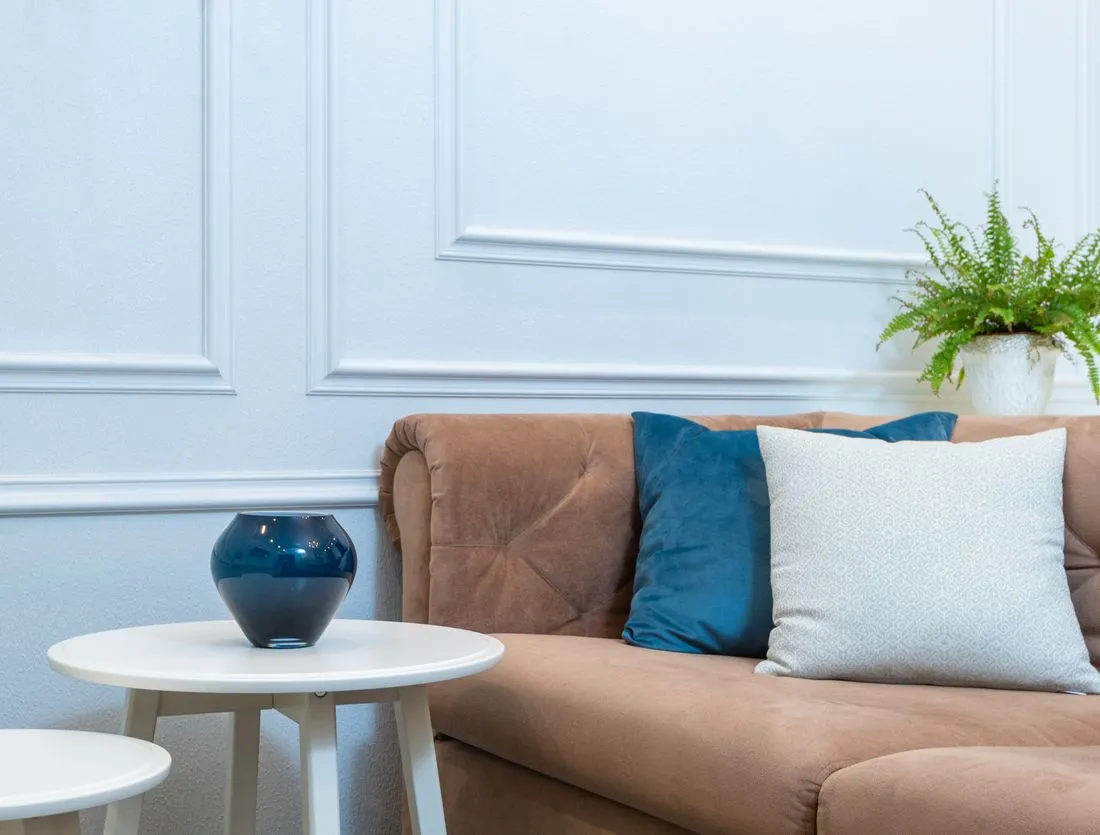
Scale is a relationship between elements. Choosing the smallest available molding does not always make a compact room feel better.
Read the guideRoom planning
Continuous walls need a coherent edge. Distinct zones can still have their own treatment when transitions have a clear place to happen.
Read the guideRoom planning
The board price is only one line in the estimate. Junctions, preparation and finishing can change the cost of a modest-looking project.
Read the guideRoom planning
A short record of profiles and junctions can prevent a sequence of small purchases from becoming a house full of near matches.
Read the guideRoom planning
There is no single sequence for every room. Start with the floor system and the surfaces you intend to keep.
Read the guide