Paint & finish
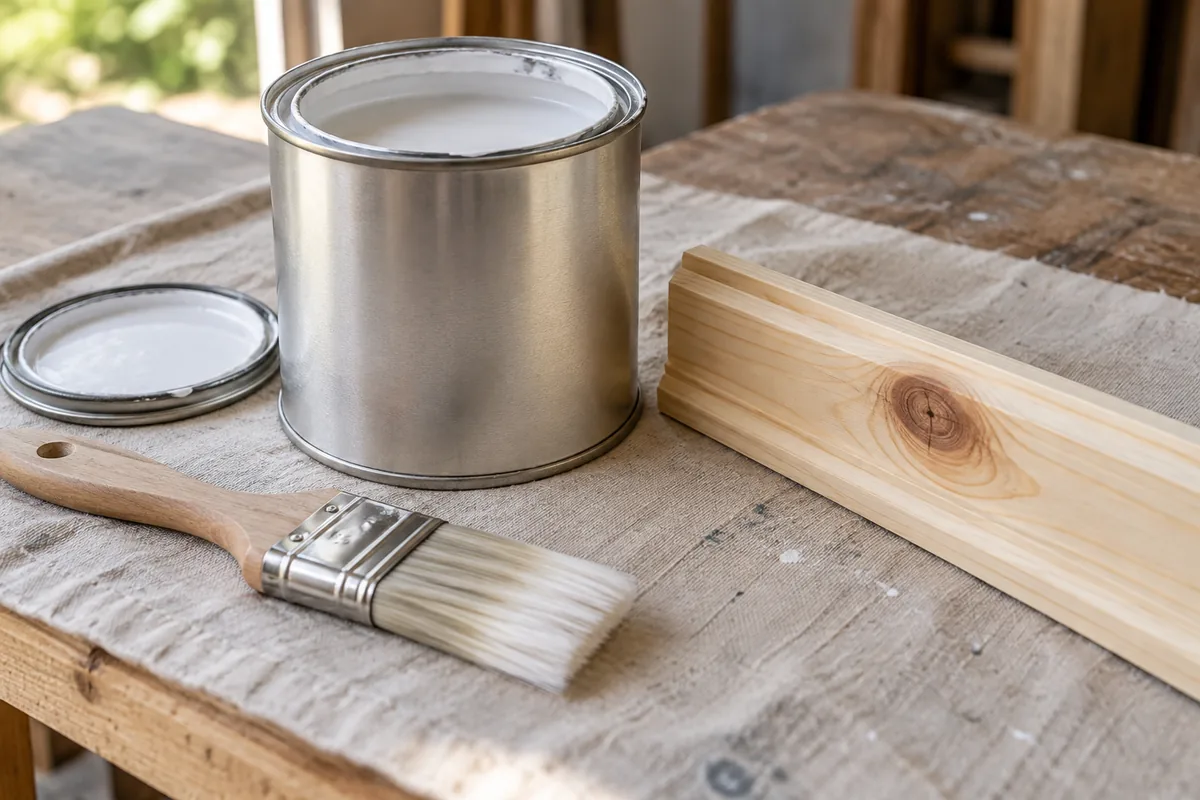
Satin or semi-gloss for trim beside a matte wall?
Sheen changes how woodwork catches the light—and how clearly it shows a rough repair. A small painted sample is more useful than a finish name alone.
Read the guideA closer look
Make sense of preparation, color, sheen and touch-ups.
Paint & finish
Sheen changes how woodwork catches the light—and how clearly it shows a rough repair. A small painted sample is more useful than a finish name alone.
Read the guidePaint & finish
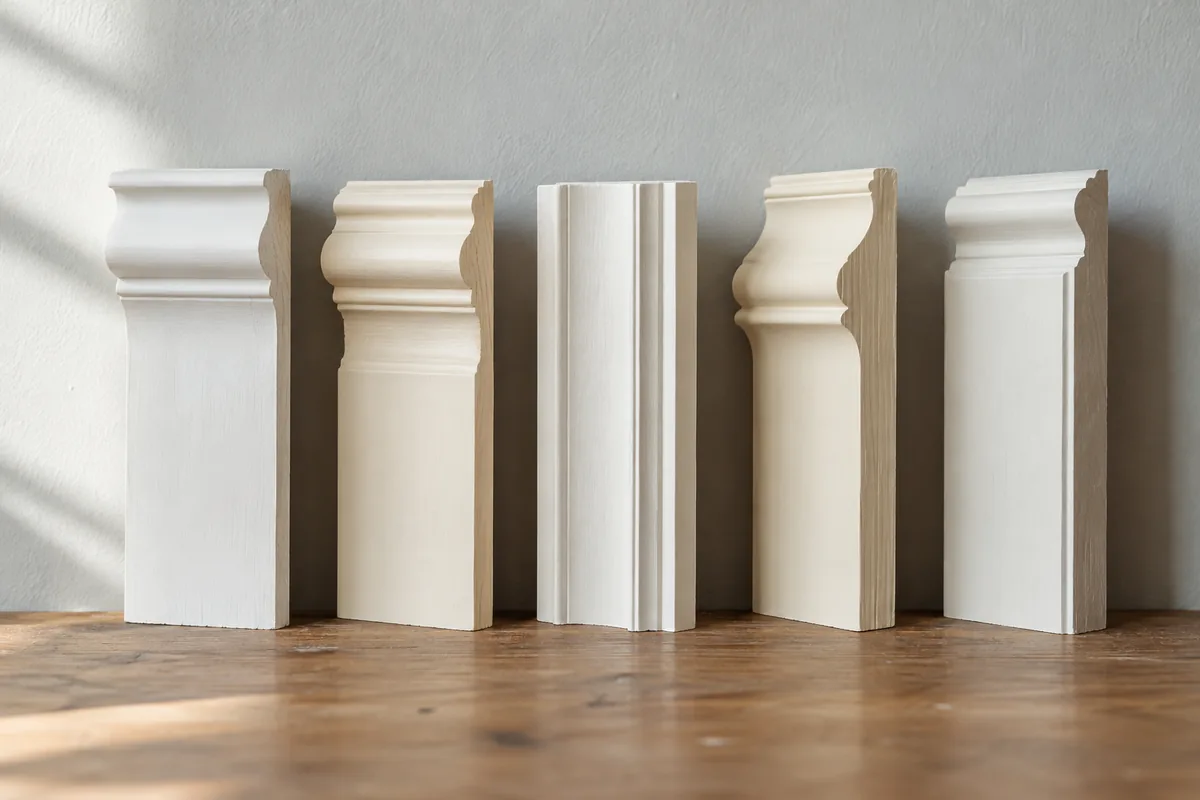
Paint a short piece of the real profile and move it around the room. The shape and surrounding surfaces are part of the color decision.
Read the guidePaint & finish
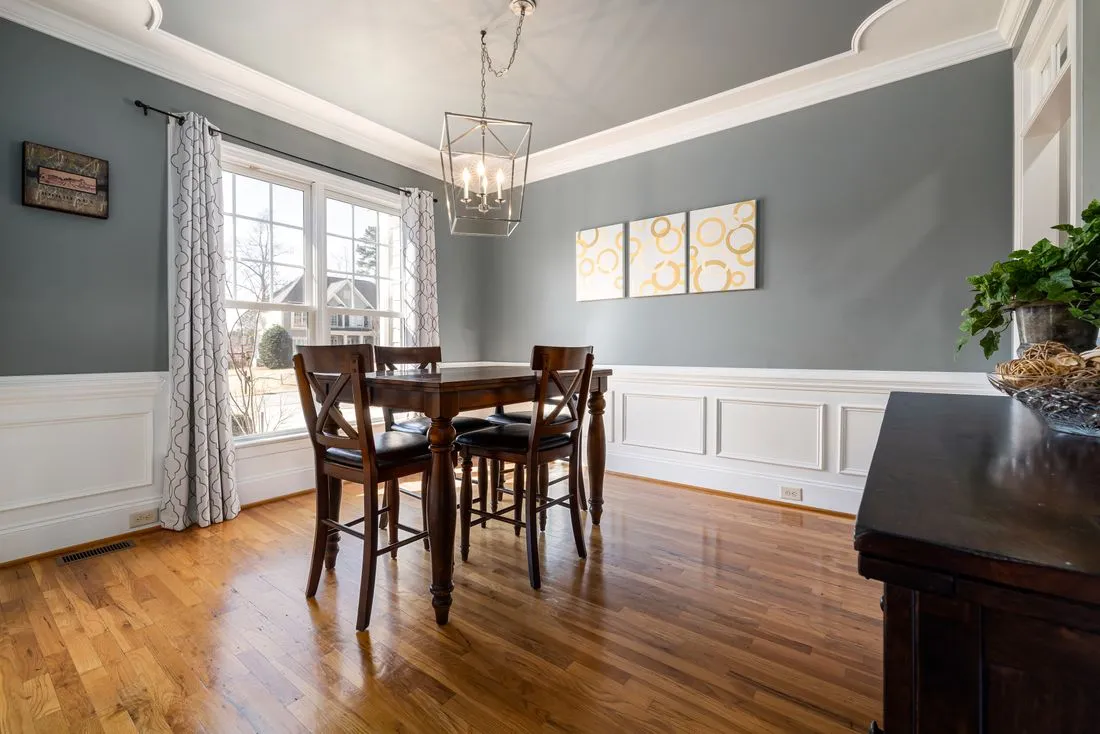
A white paint's undertone becomes visible beside other surfaces. Look for the relationship that causes the shift rather than chasing a universal neutral.
Read the guidePaint & finish
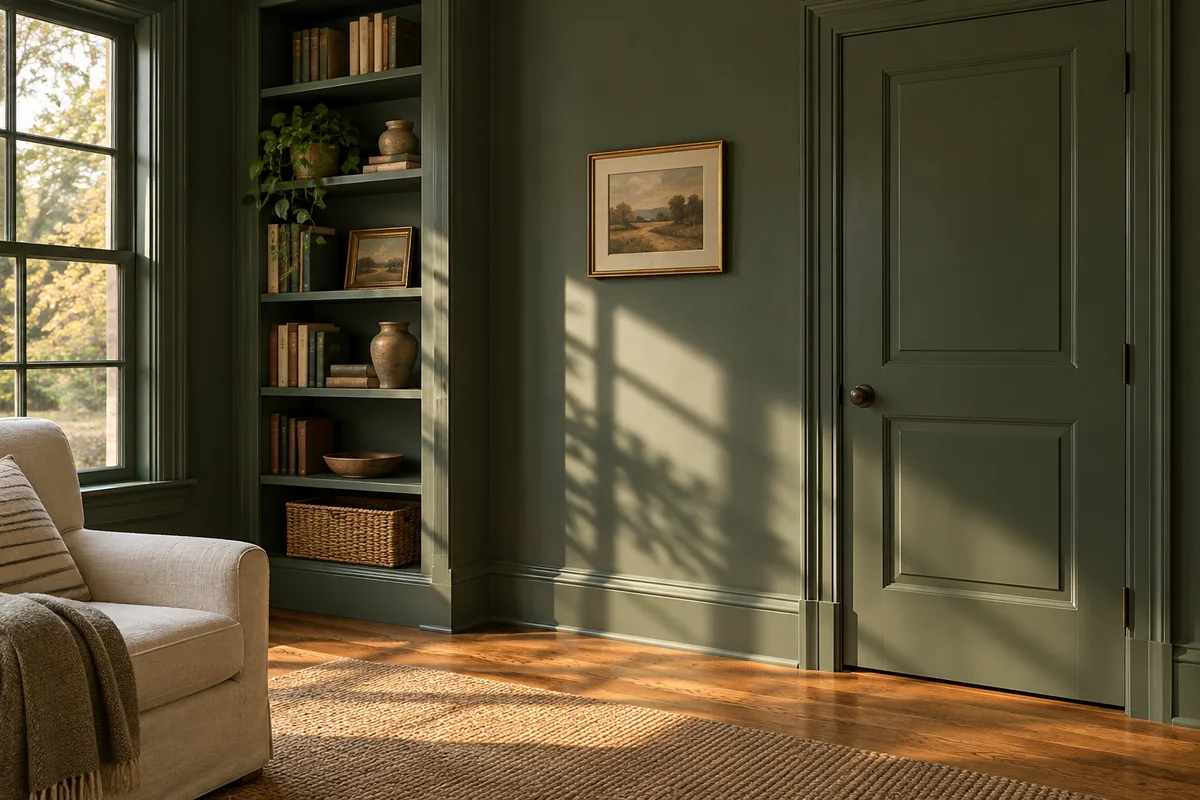
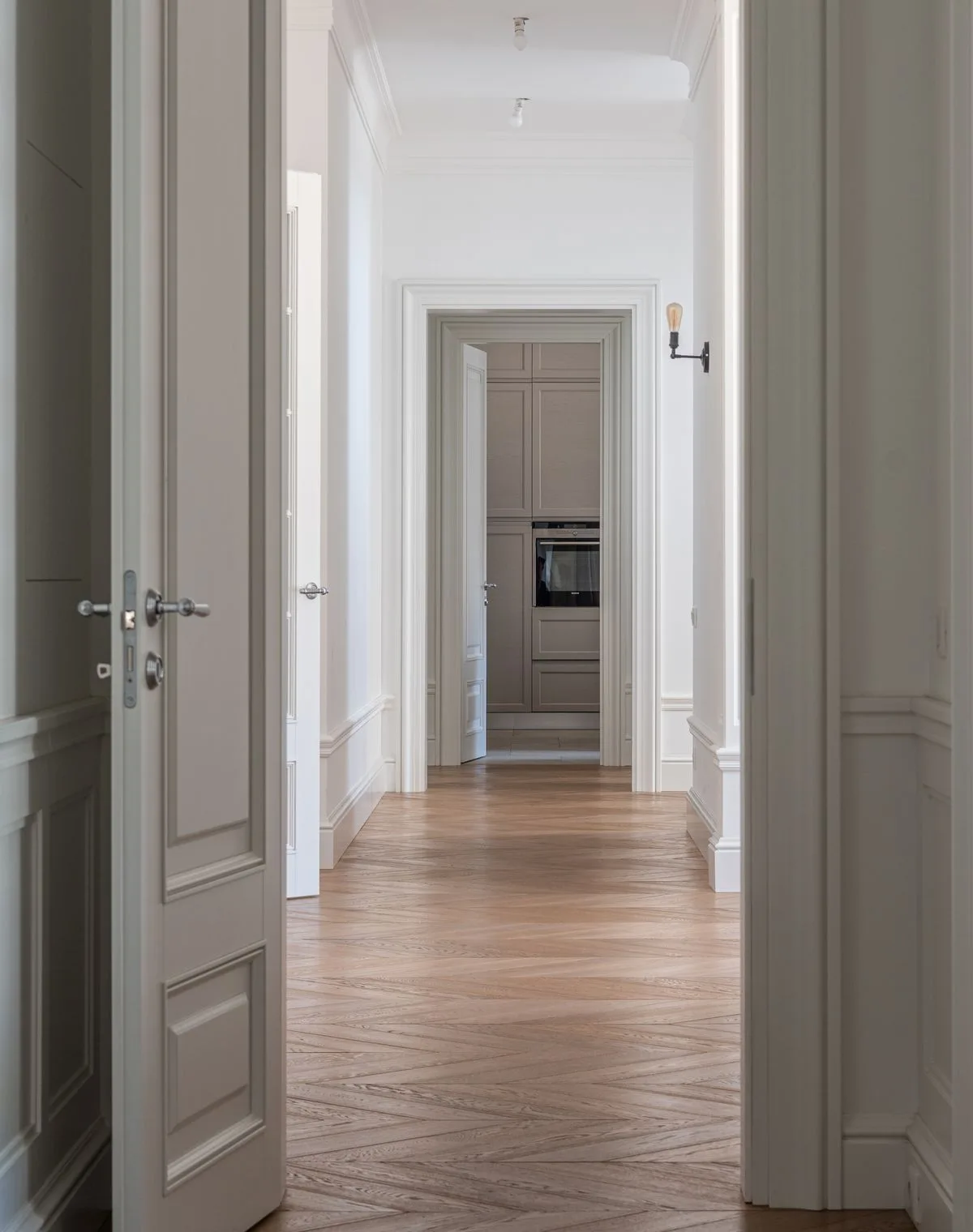
Using one color can quiet the edges of a room while leaving the molding visible through profile, light and finish.
Read the guidePaint & finish
A dark outline changes the balance of an opening. Test it with the door, wall and neighboring rooms before painting the entire perimeter.
Read the guidePaint & finish
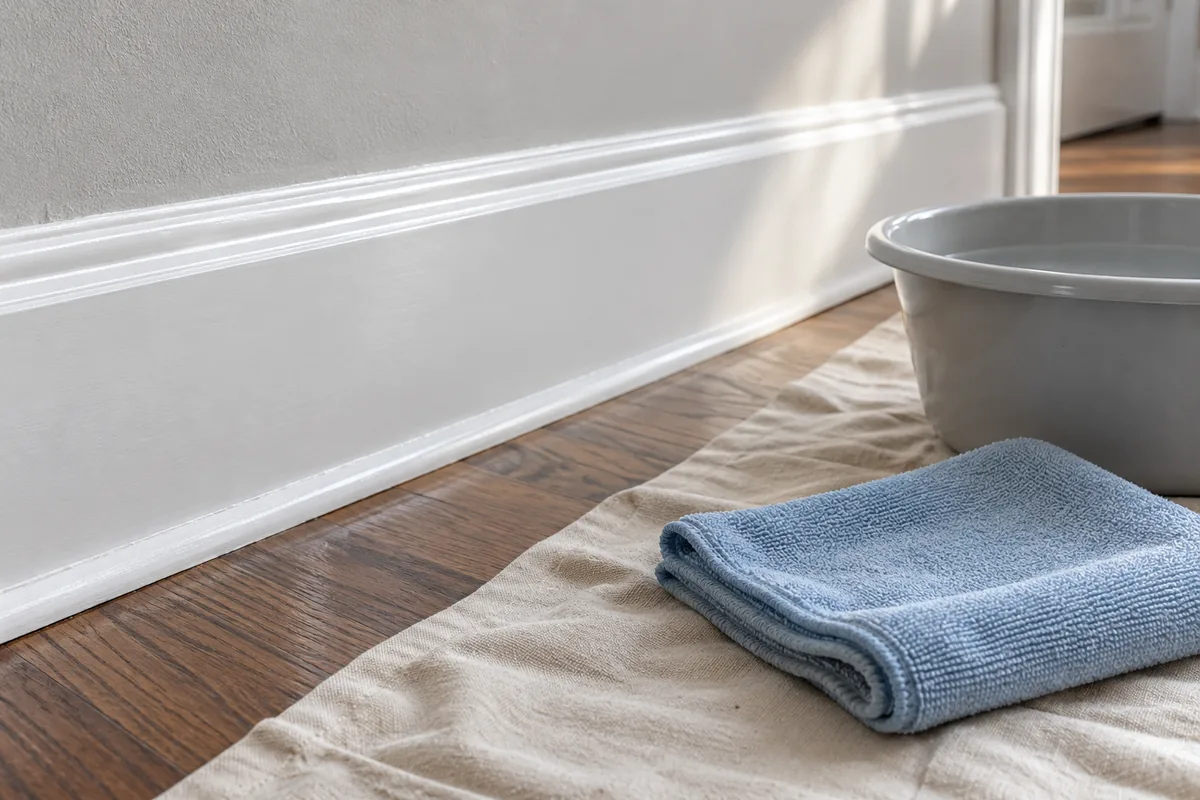
Dirt, polish and cleaning residue can interfere with a new finish. Cleaning also reveals which marks are damage and which were only on the surface.
Read the guidePaint & finish
Primer should answer a specific surface problem. Adhesion, stain blocking and absorption control are related but not interchangeable jobs.
Read the guidePaint & finish
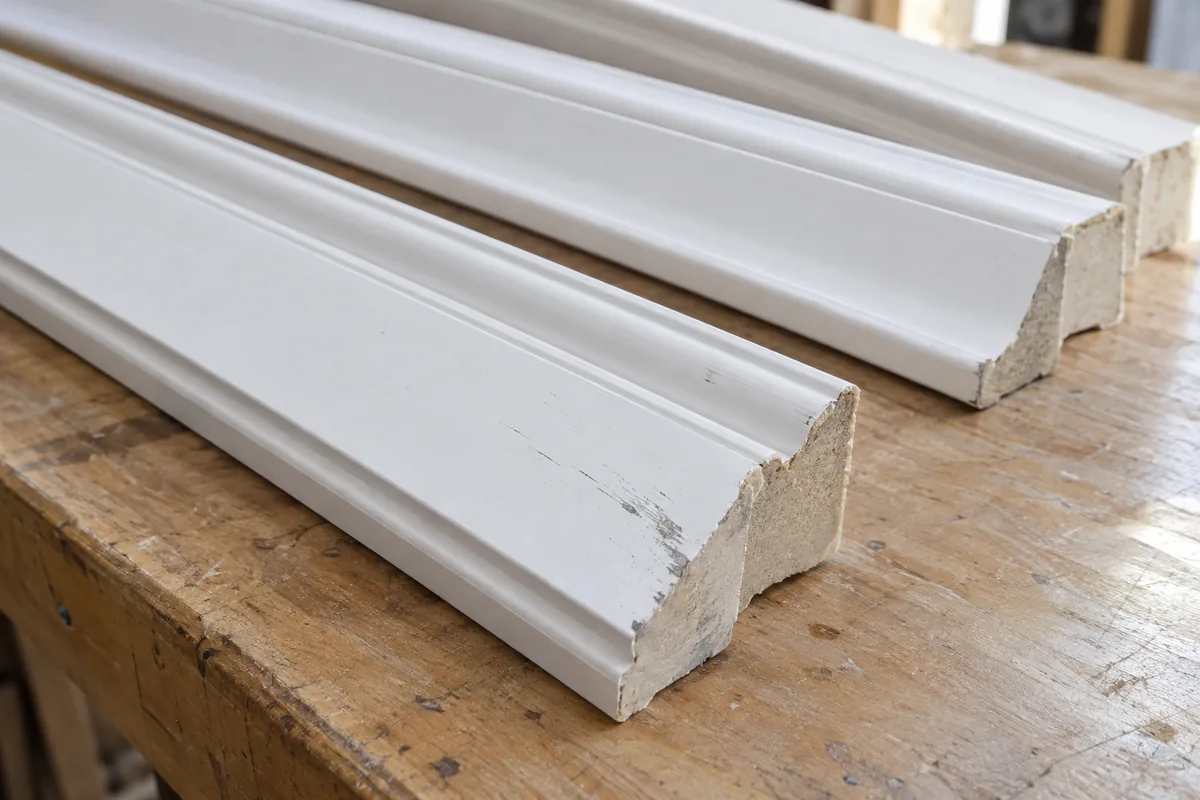
Factory primer is a useful starting surface, but transport marks, exposed ends and installation repairs still need attention.
Read the guidePaint & finish
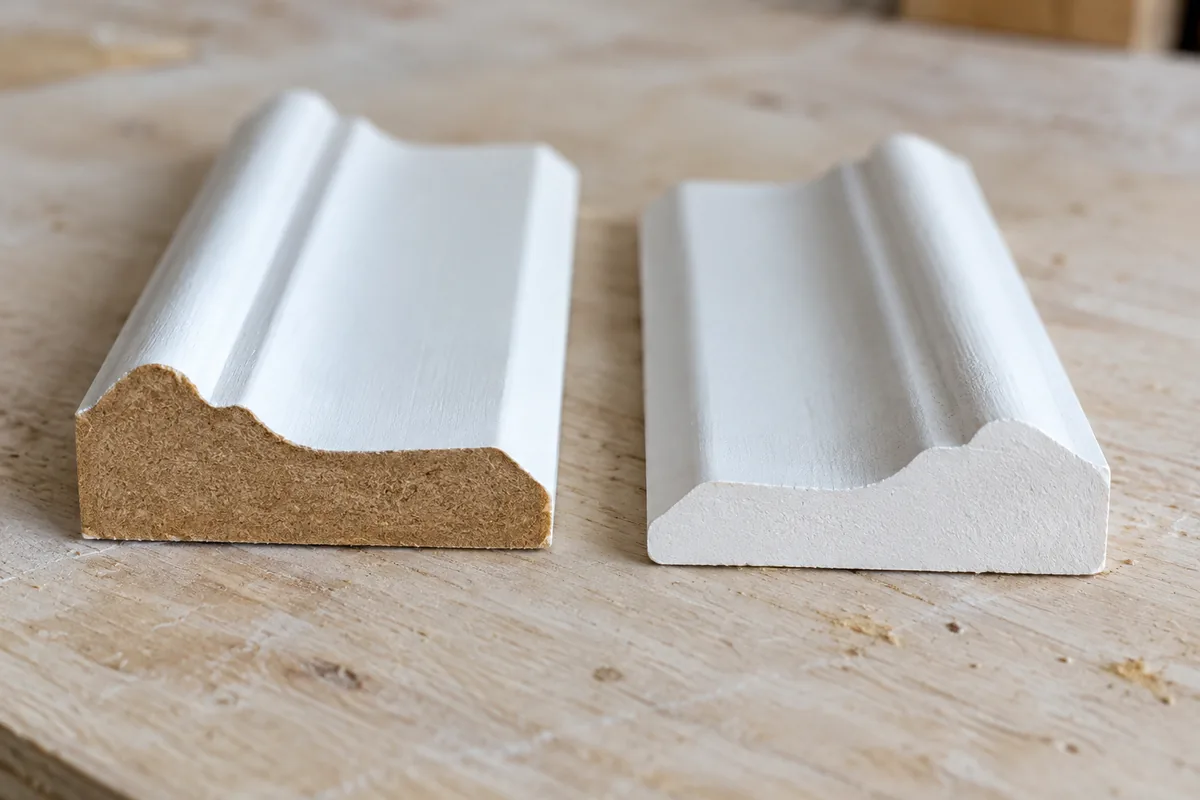
A cut MDF edge can absorb coating and develop a different texture from the face. Prepare a sample before painting the whole run.
Read the guide