Materials & tools
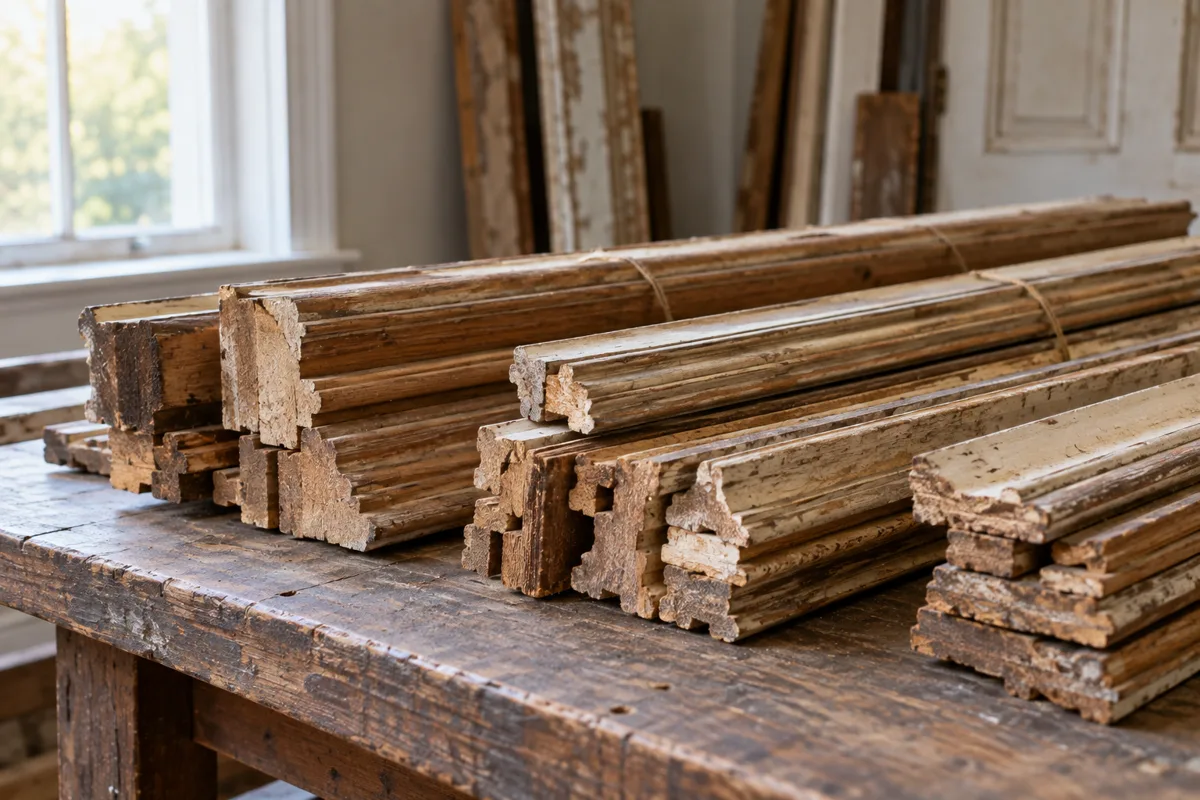
A careful first look at salvaged molding
Old molding can bring an unusual profile into a room. Inspect its condition and coating history before treating it as a bargain.
Read the guideA closer look
Choose the stock and equipment that suit the job.
Materials & tools
Old molding can bring an unusual profile into a room. Inspect its condition and coating history before treating it as a bargain.
Read the guideMaterials & tools
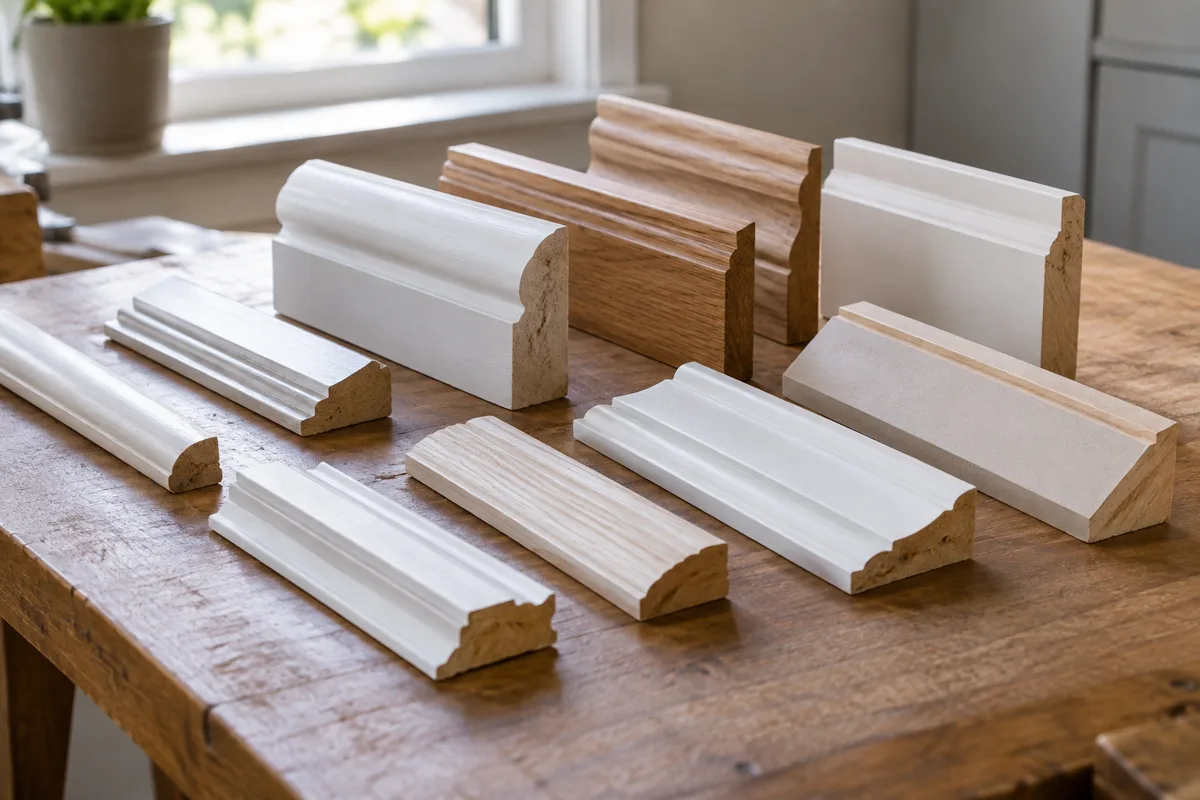
A handful of labeled offcuts can answer proportion and compatibility questions that a catalog cannot.
Read the guideMaterials & tools
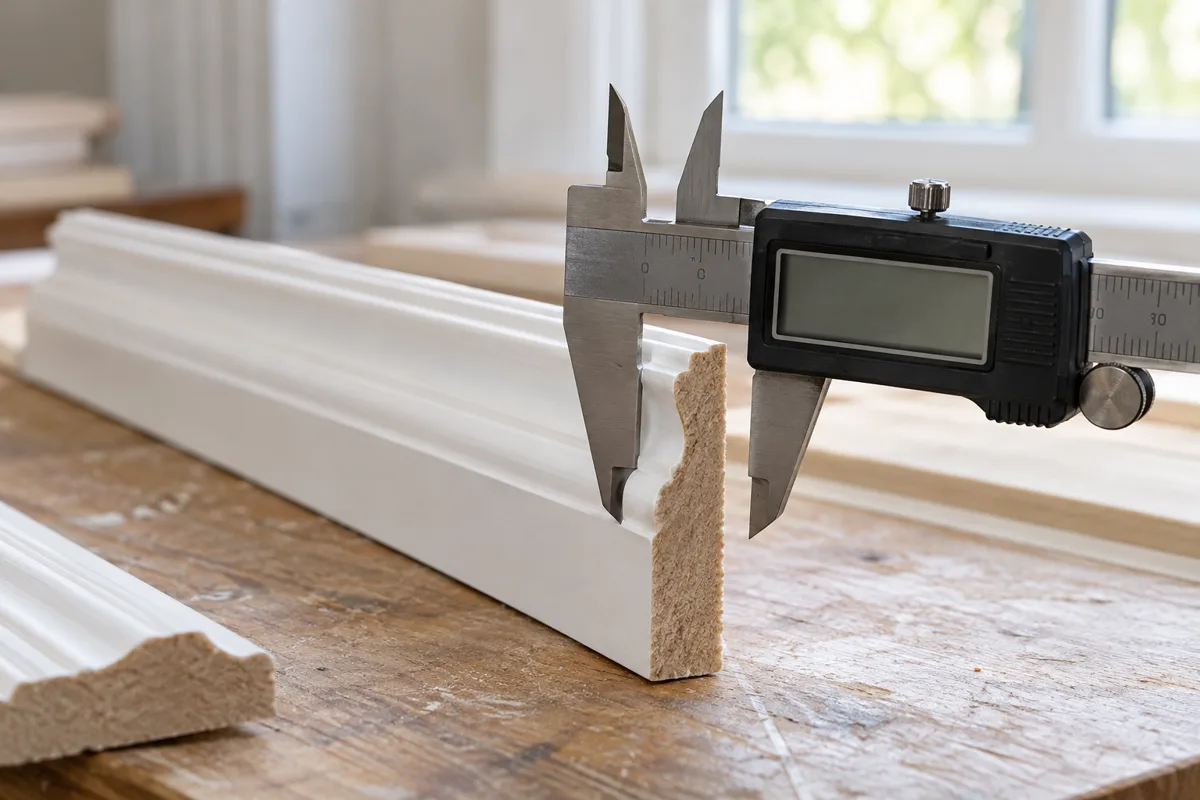
The thickest point, the edge thickness and the back shape can all affect whether two moldings meet neatly.
Read the guideMaterials & tools
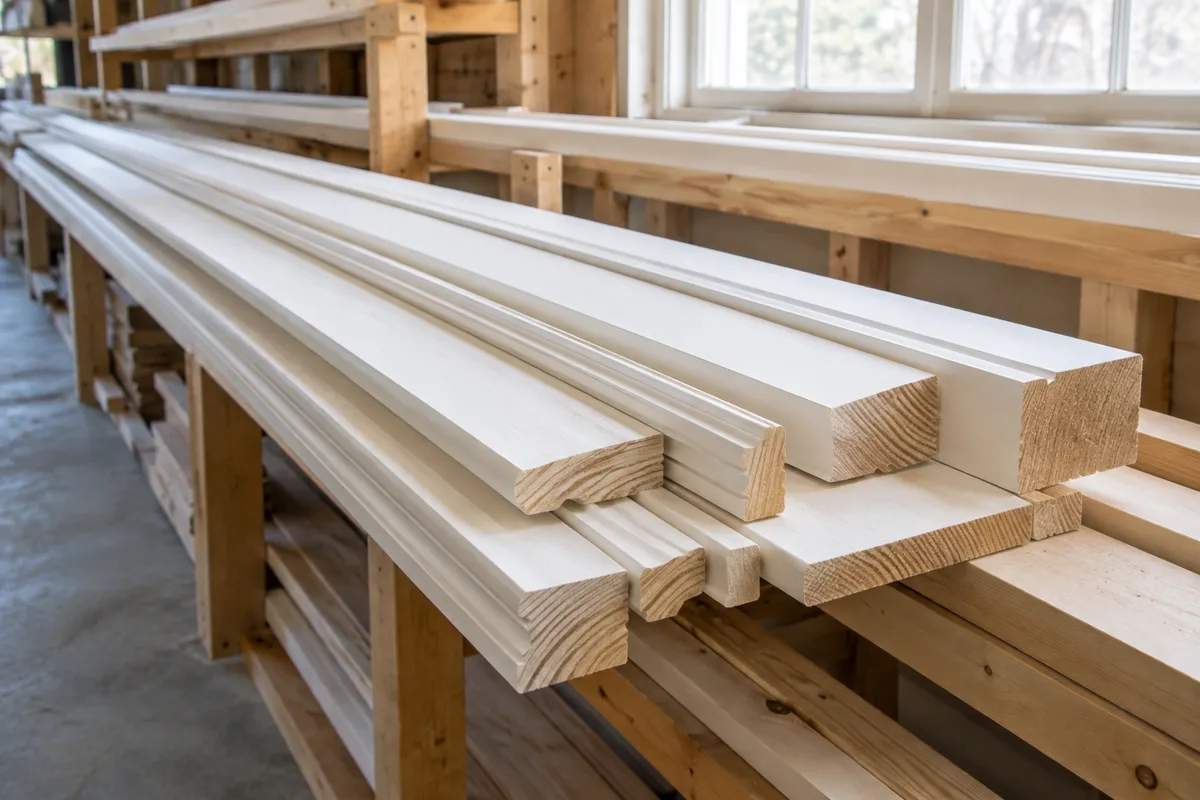
A quick inspection of the whole length can save a difficult fitting job later. Look for twist as well as an obvious bow.
Read the guideMaterials & tools
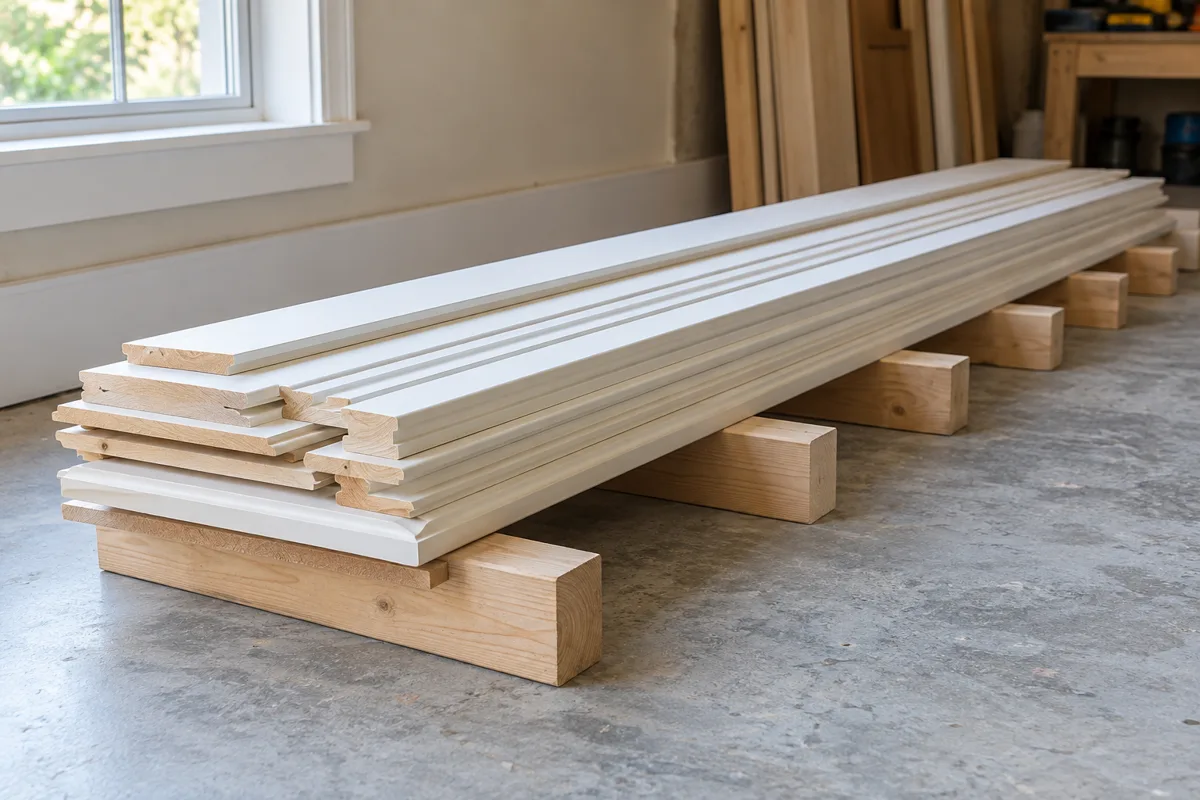
Long molding needs support and a suitable indoor environment before installation, not a convenient corner where it can lean for weeks.
Read the guideMaterials & tools
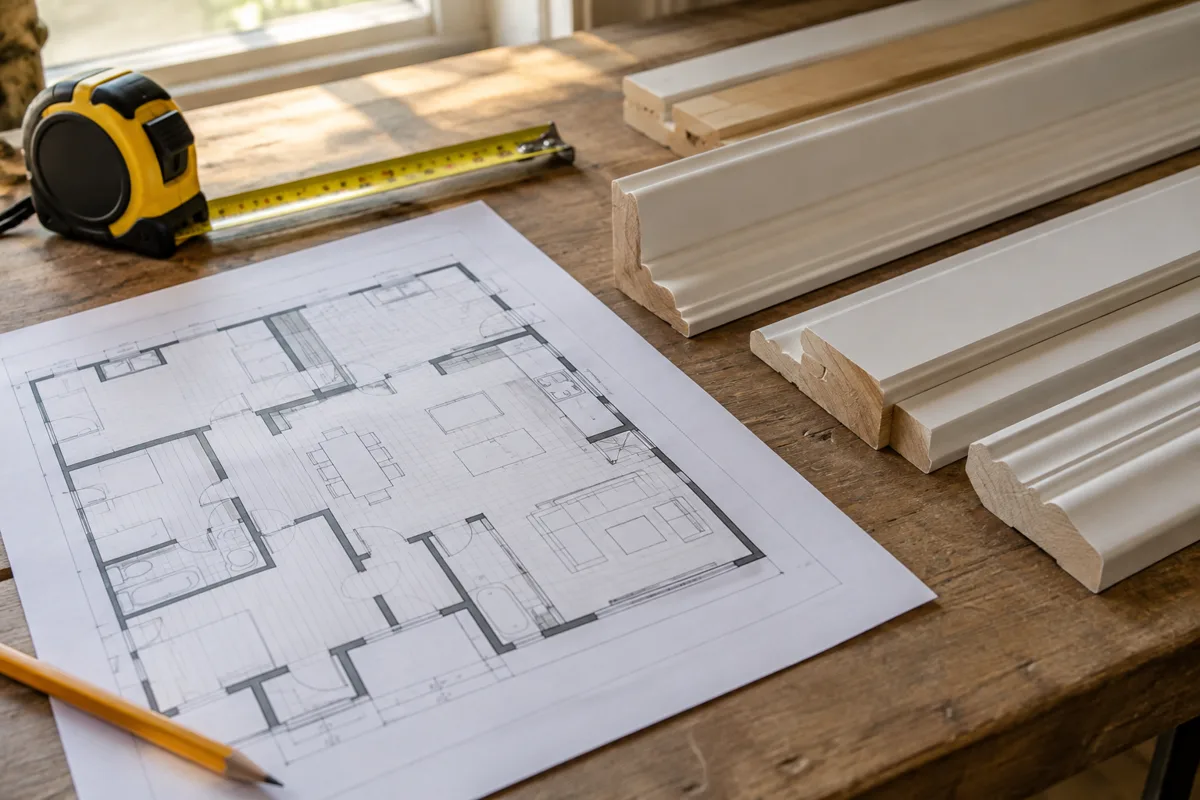
A room-by-room cutting plan can make a slightly different stock length more useful than a lower price per foot.
Read the guideMaterials & tools
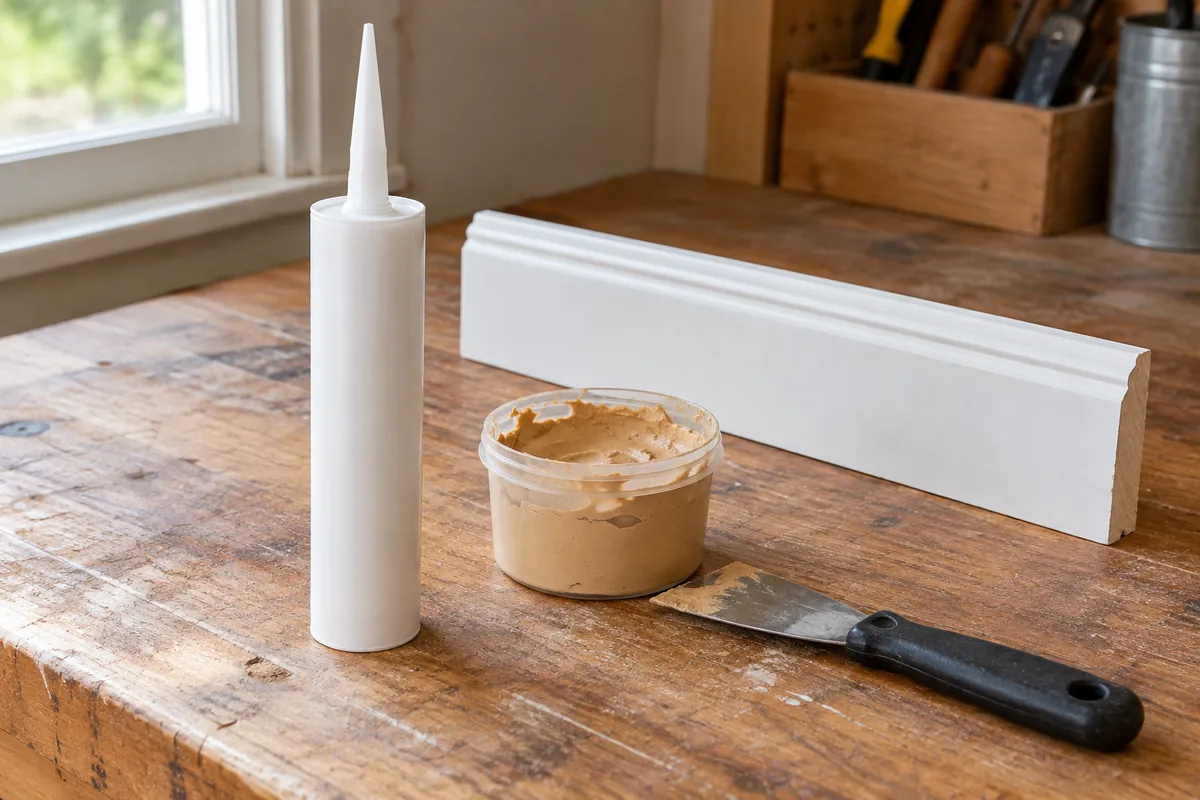
A flexible seam and a dent in a rigid face need different repairs. Choosing by location makes the distinction easier.
Read the guideMaterials & tools
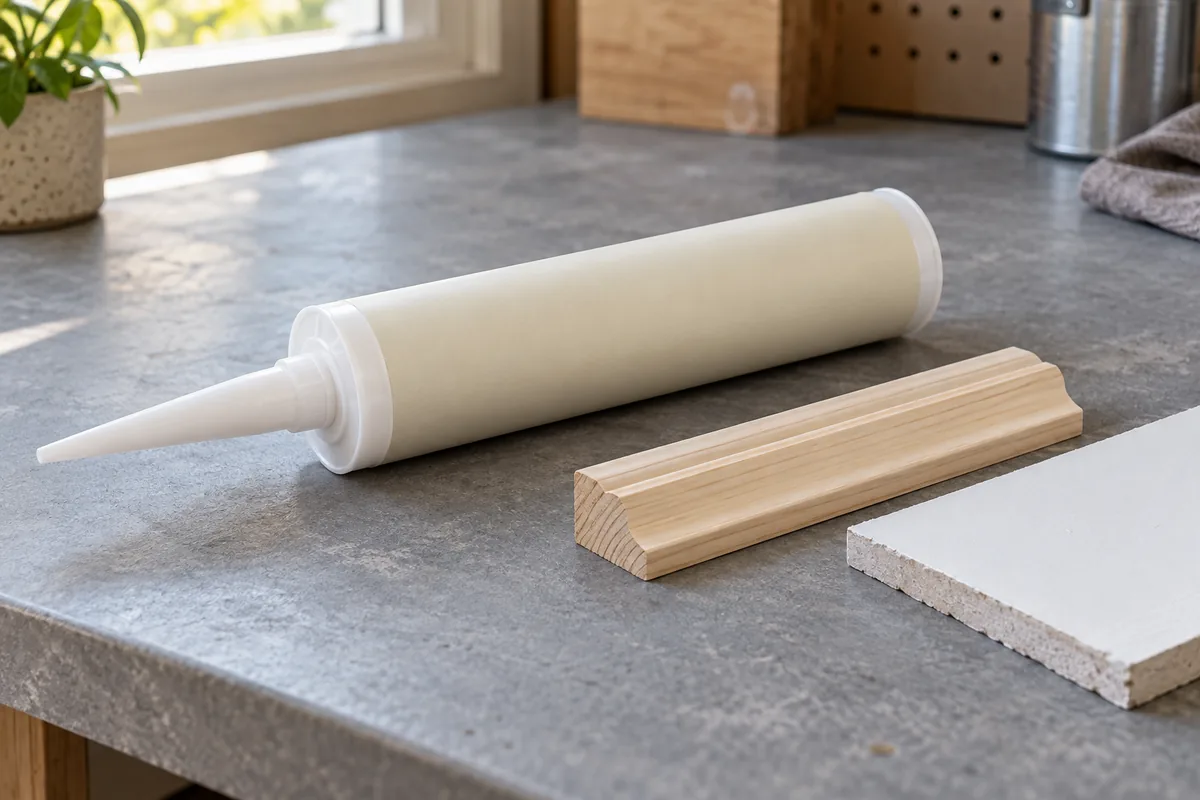
The surfaces, the room conditions and the installation method must all appear in the adhesive decision—not just the word construction on the cartridge.
Read the guideMaterials & tools
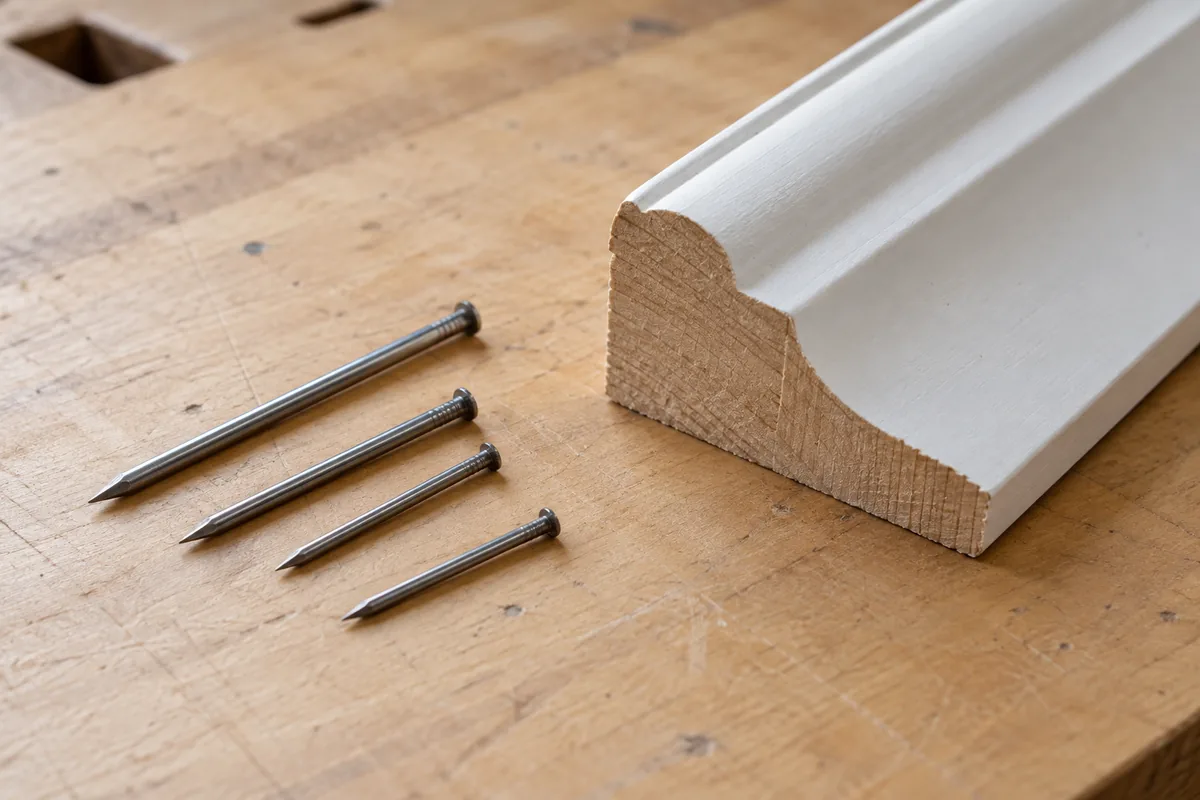
The molding, backing and concealed services determine an appropriate fastener. A familiar nail length is not a substitute for that assessment.
Read the guide