A trim delivery often arrives before the room is ready. That gap in the schedule deserves a plan. Long, narrow pieces are vulnerable to damage when they are leaned against a wall, walked around repeatedly or stored where cleaning water can reach the ends.
Choose a dry location with enough horizontal space and appropriate support. Follow the product manufacturer's handling and conditioning instructions. Different wood, engineered and synthetic products should not be assigned the same waiting period simply because they will be installed in the same house.
Make the storage place part of the schedule
Bring material in after wet construction work and major environmental changes are under control, as appropriate to the product. A room still drying after plaster work is not equivalent to the occupied room it will become. Heating and cooling conditions can also differ between an unfinished building and normal use.
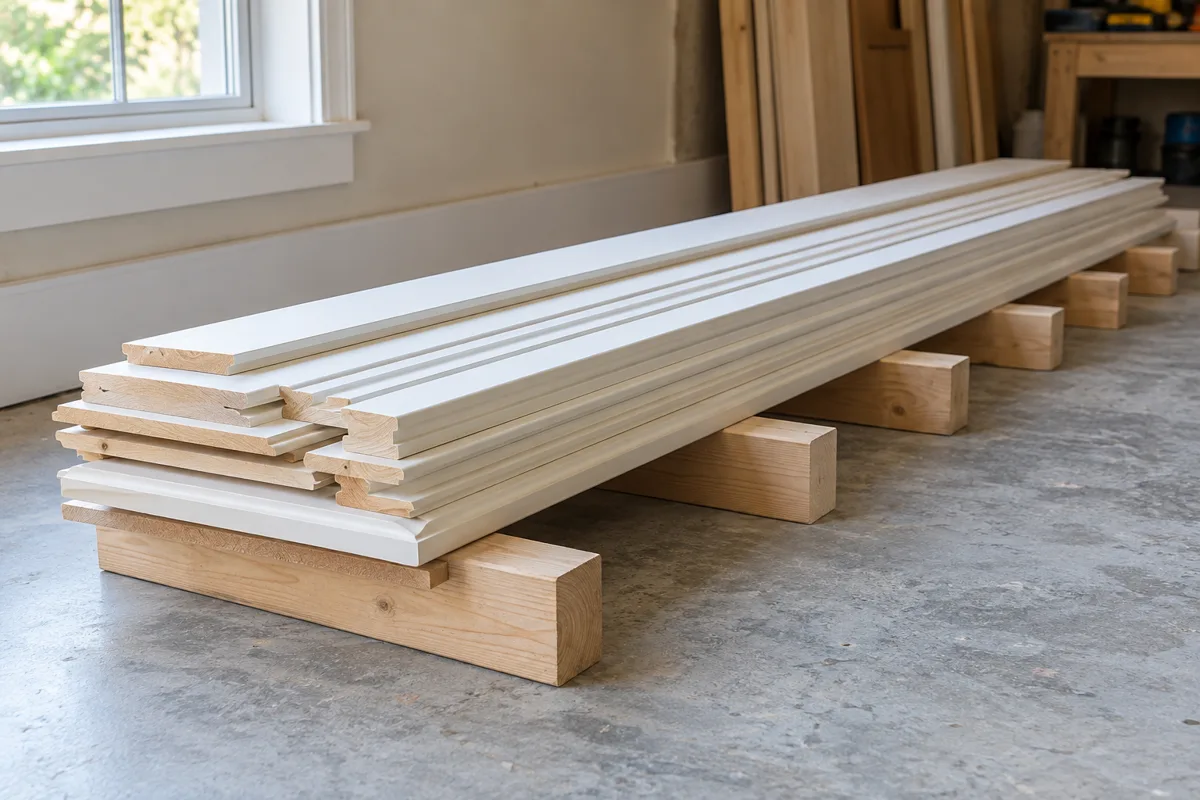
Support long pieces at enough points to keep them from sagging, using a stable arrangement that cannot tip. Keep the material off potentially damp floors and away from direct exposure to water. Do not create a narrow obstruction across an exit or a route people need to use.
Leave packaging in the condition recommended by the supplier. Tightly wrapping damp material can trap moisture, while removing all protection can expose finished faces to scratches. If the delivery is wet or damaged, contact the supplier instead of improvising a drying treatment.
Organize before the first cut
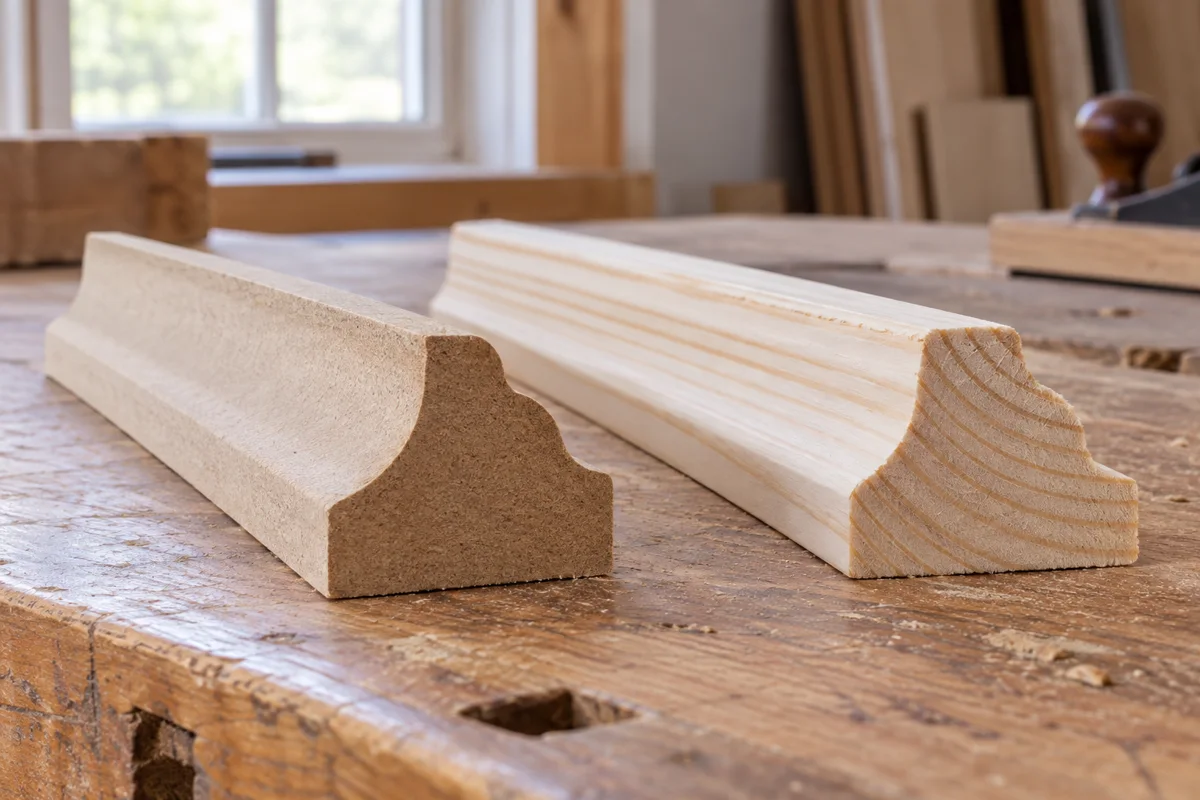
Check the profile and quantity against the order. Separate different lengths and label similar-looking products. Keep finished faces from rubbing against rough backs, and avoid stacking heavy items on delicate beads or thin edges.
Set aside the best suitable lengths for the planned long runs only after the whole delivery has been inspected. This is also the time to find a missing accessory or a mismatched batch, not halfway through installation.
Acclimation is a response to material and environmental conditions, not a ceremony completed by leaving a bundle untouched for a universal number of days. Follow the relevant guidance and ask the supplier when the storage or room conditions are unusual.
After the project, keep spare pieces in a similarly sensible location. Label them with the profile, material, room and finish. A straight, identifiable spare is useful for a future repair; an unmarked strip warped behind the garage shelves is much less likely to help.