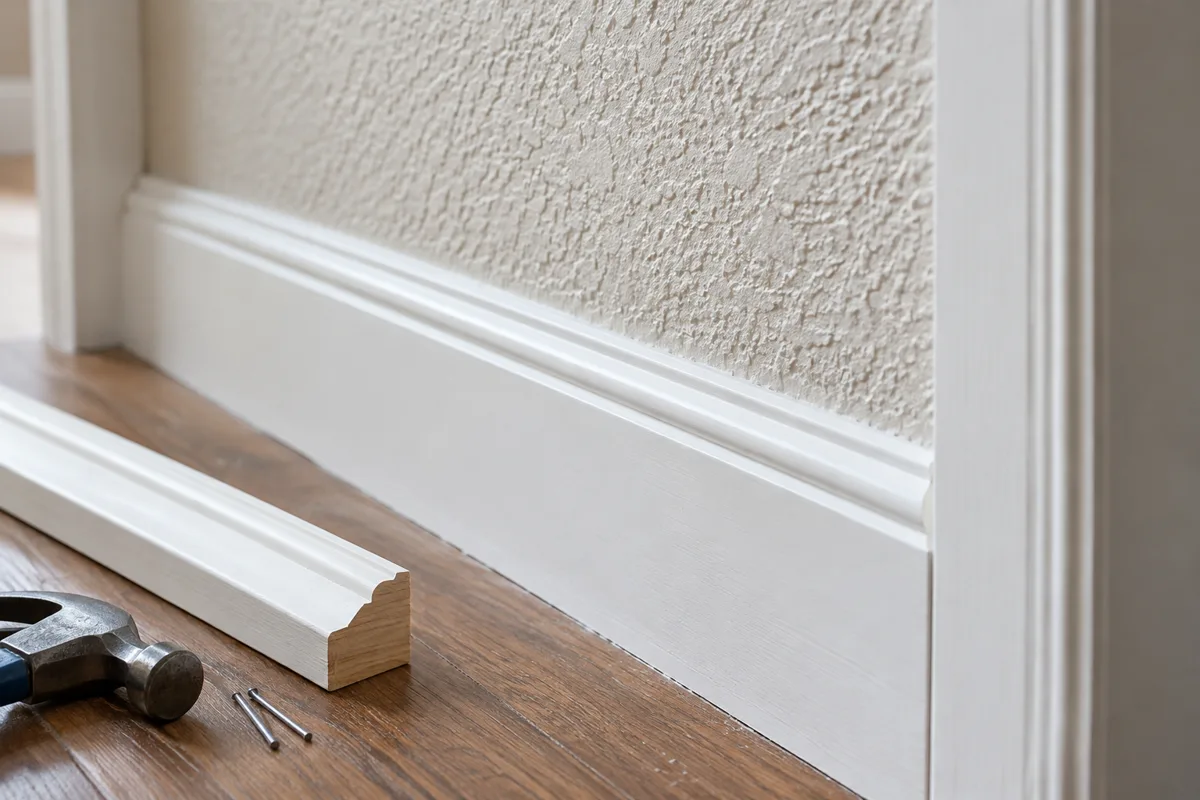
Wall paneling
Applying Trim to Textured Walls: What the Texture Will Show
Applied molding leaves the wall visible, so its texture becomes part of the finished panel.
Read the guideA closer look
Work with frames, battens, boards and the spaces between them.
Wall paneling
Applied molding leaves the wall visible, so its texture becomes part of the finished panel.
Read the guideWall paneling
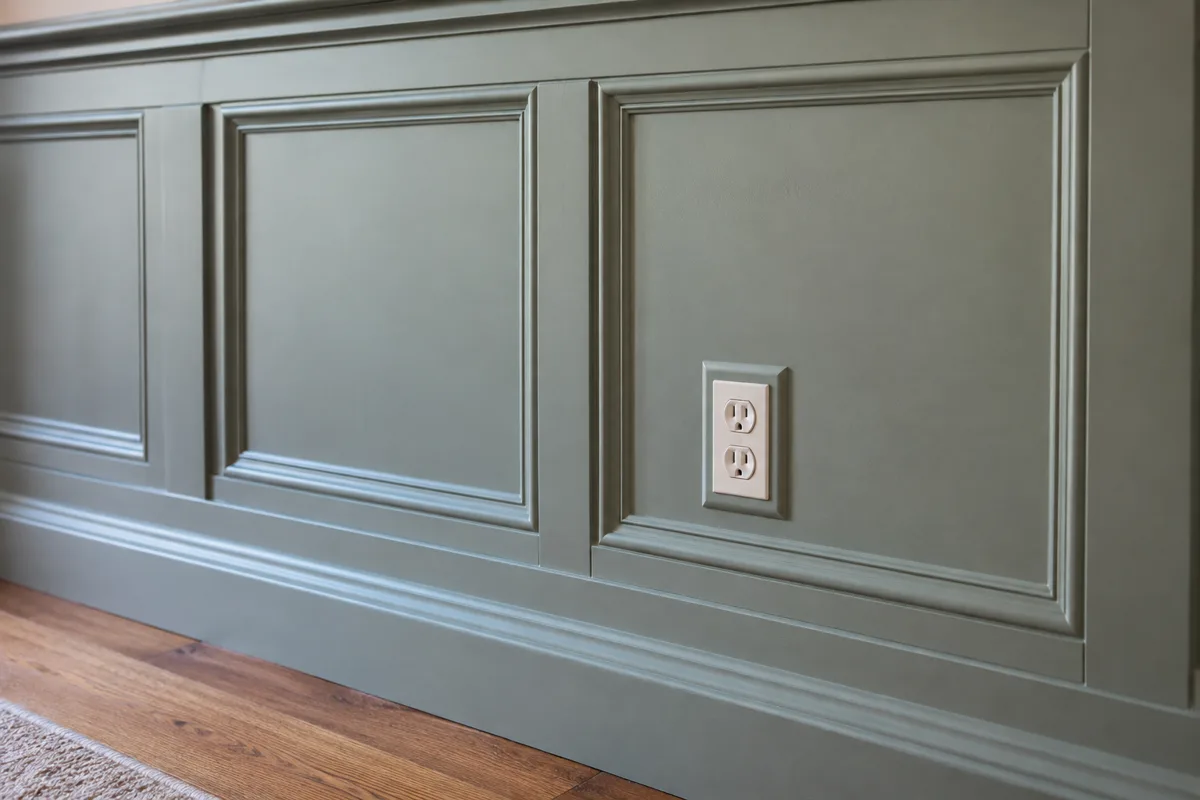
Electrical plates are fixed parts of the wall layout until a qualified electrician changes them.
Read the guideWall paneling
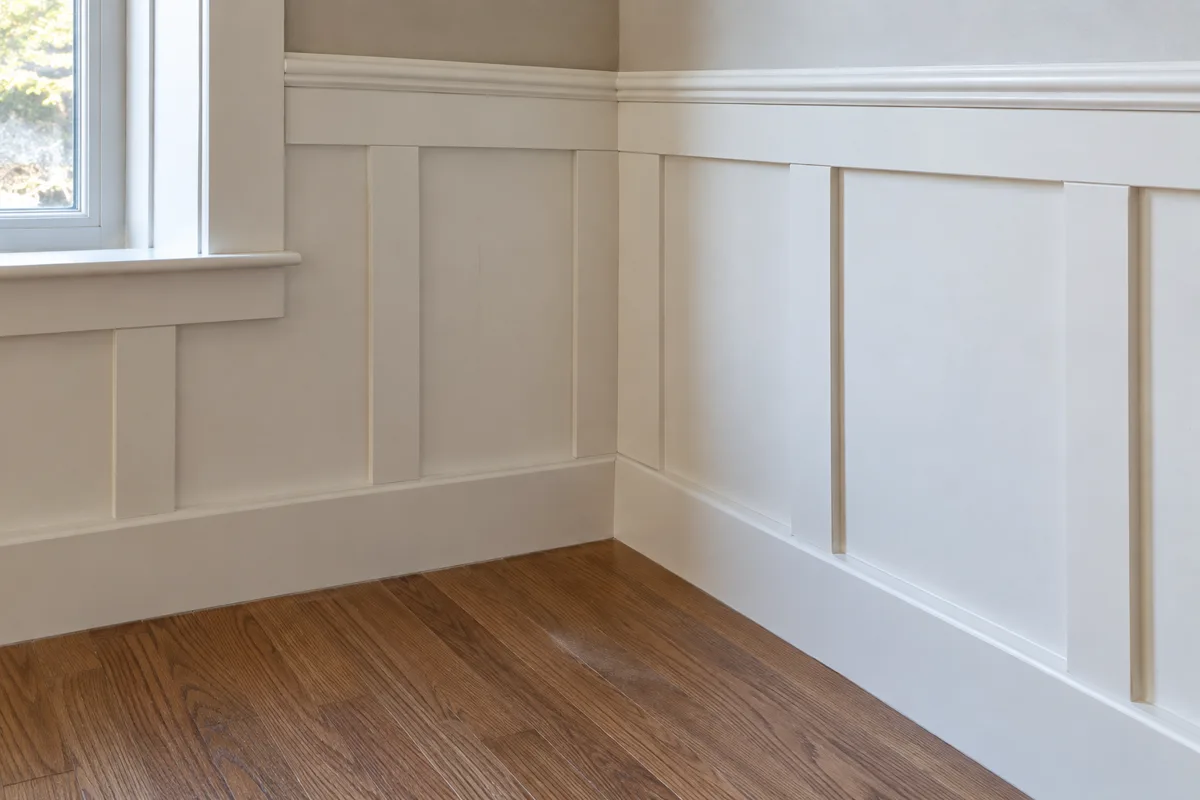
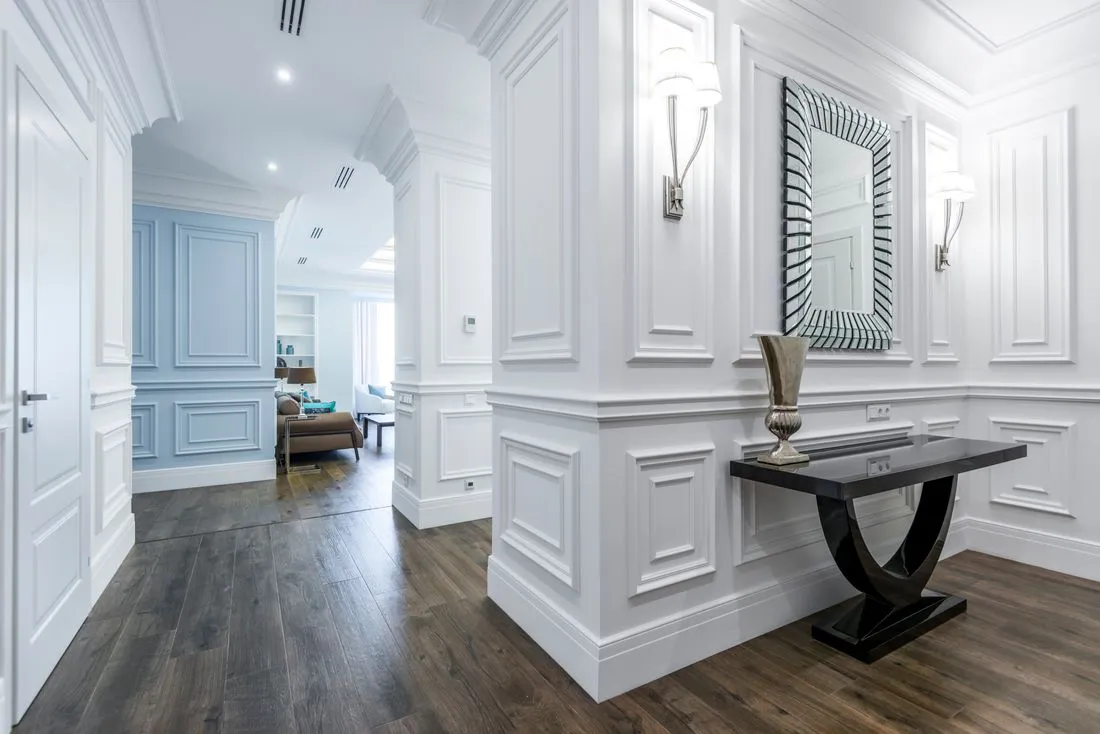
Decide whether the pattern continues around the corner or begins a new composition on each wall.
Read the guideWall paneling
An exposed corner needs a durable, finished edge that belongs to the panel system.
Read the guideWall paneling
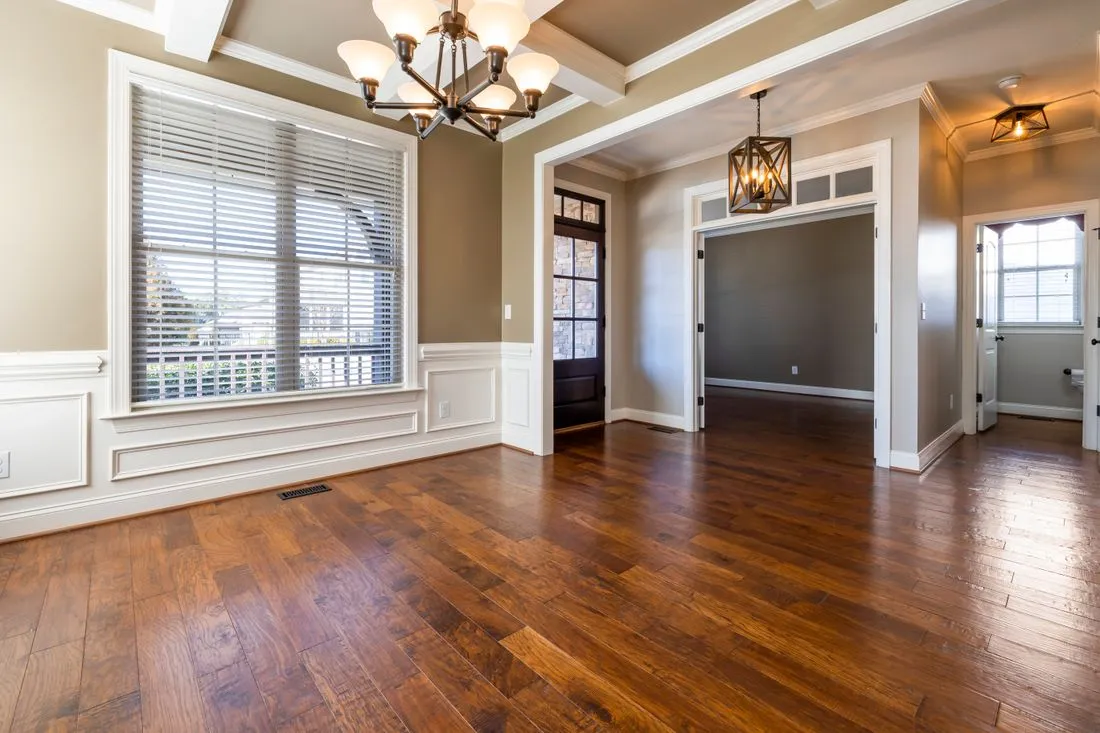
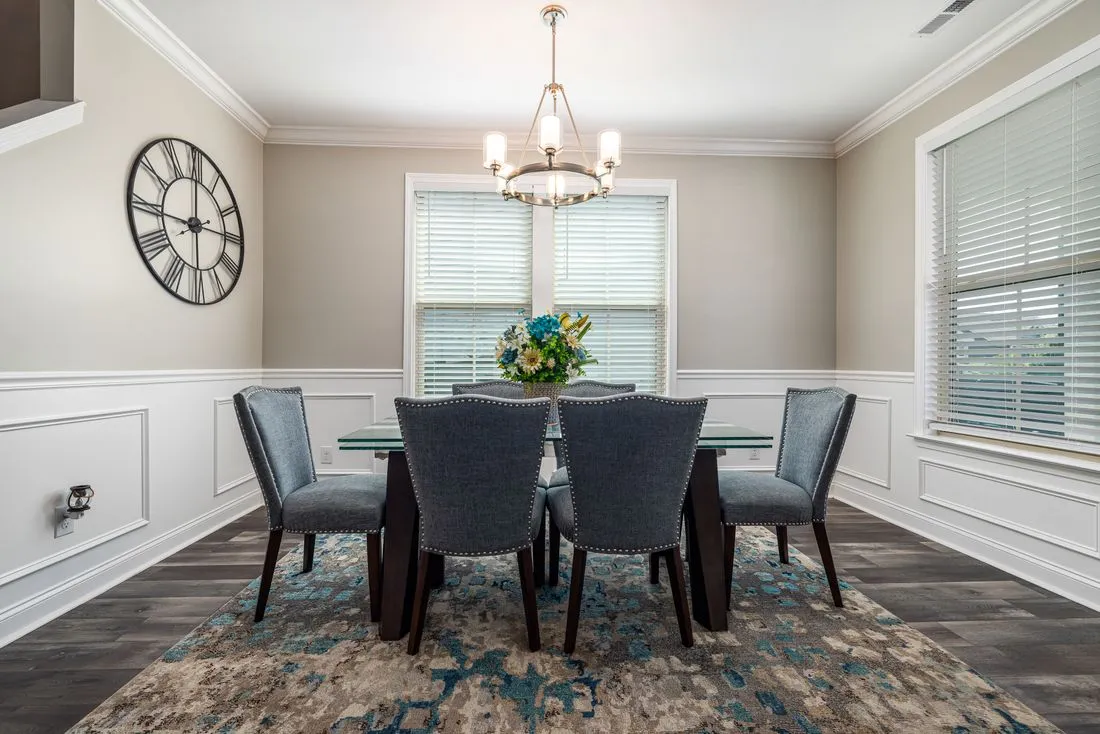
Coordinate the paneling height with the entire lower window assembly, including the apron.
Read the guideWall paneling
A narrow wall section may work best as one quiet field rather than a miniature version of the main wall.
Read the guideWall paneling
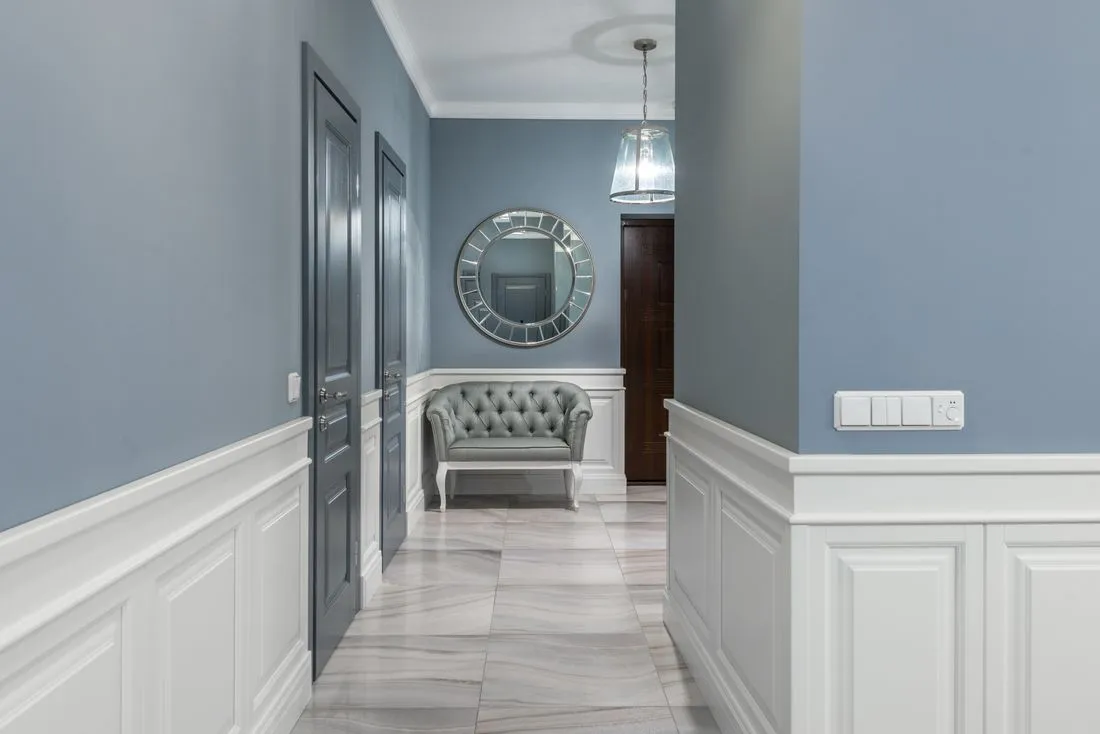
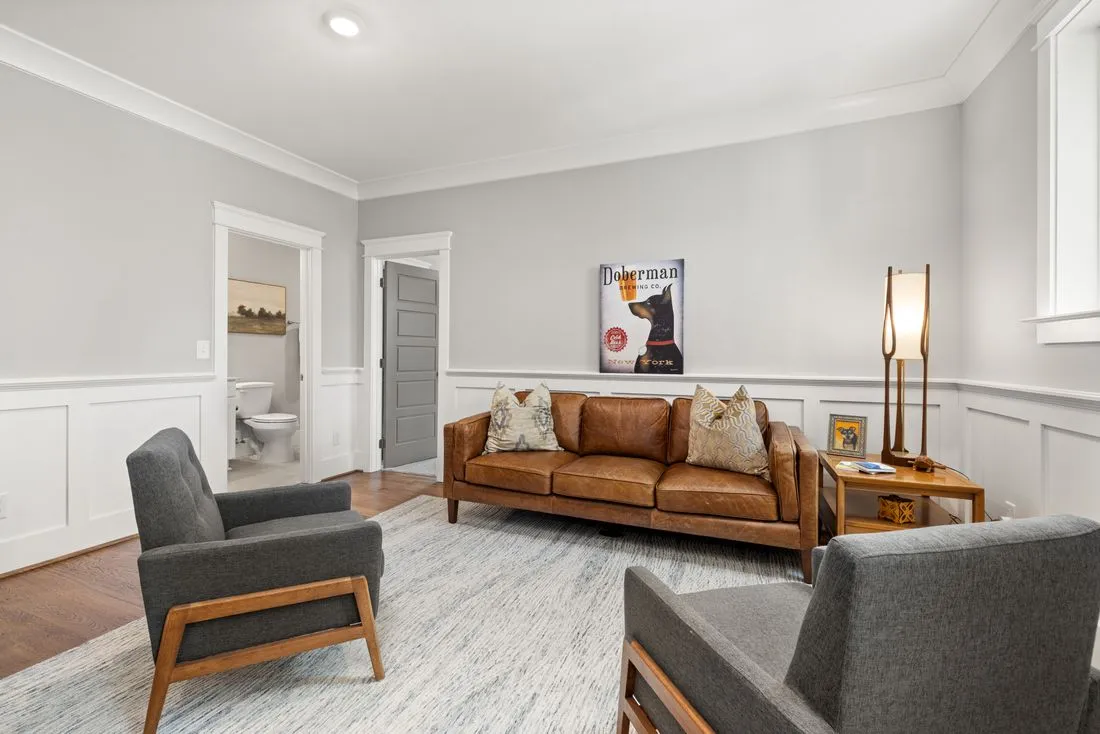
Two rows need a clear hierarchy, a measured dividing space, and enough room for the furniture.
Read the guideWall paneling
Unequal panels can respond to real architecture while keeping a consistent rhythm.
Read the guideWall paneling
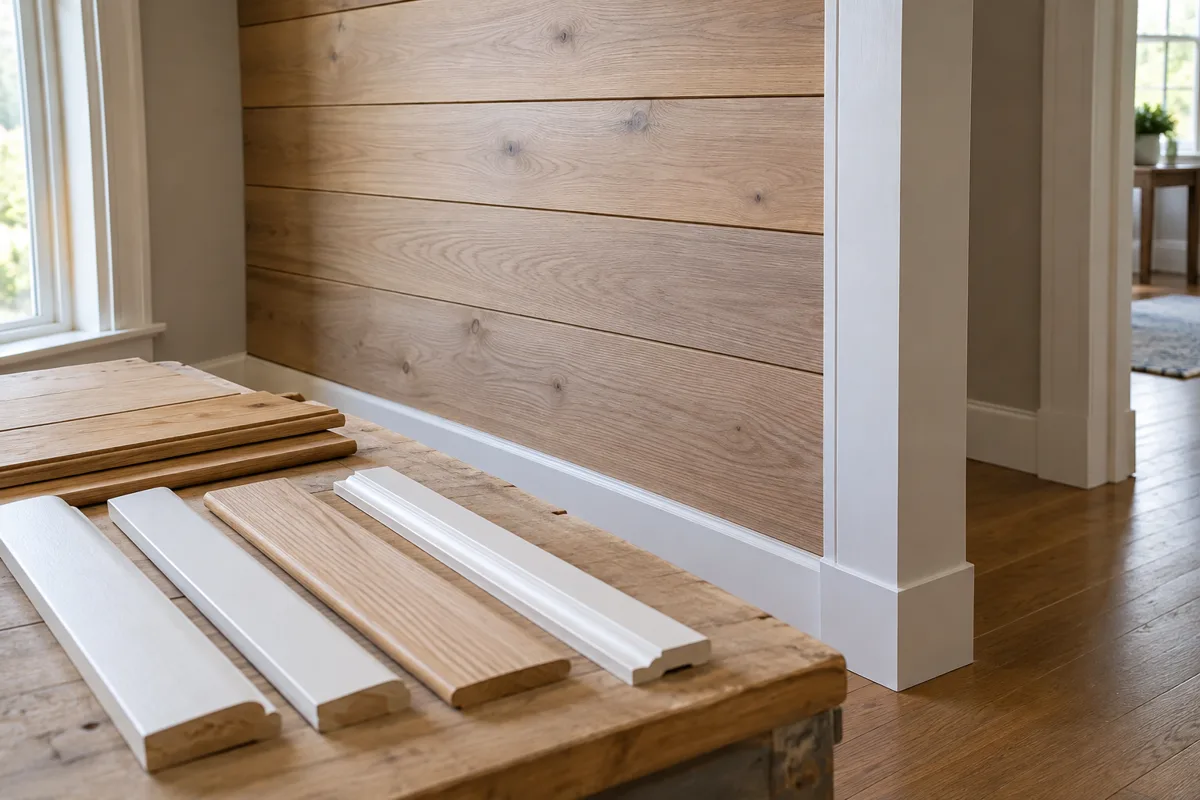
The last board edge needs a planned boundary, whether the wall uses true shiplap or a similar plank system.
Read the guide