Installation & repair
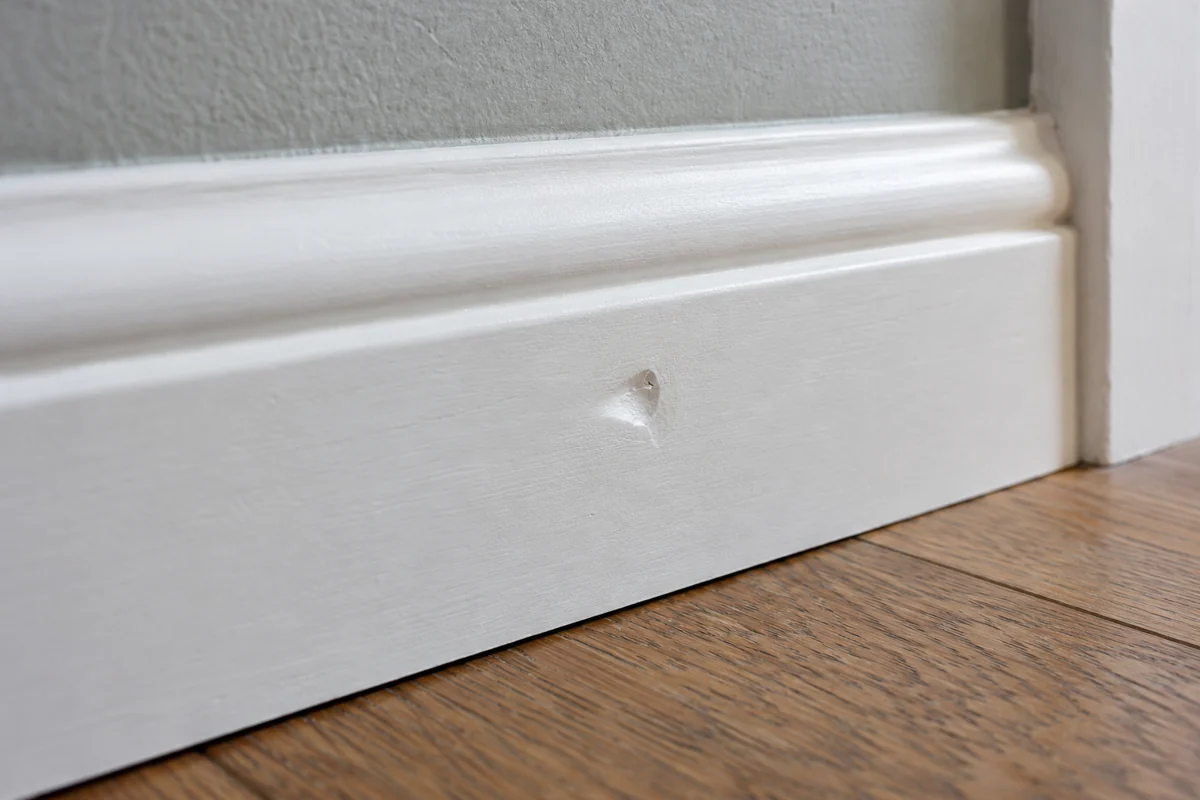
Repair a small dent without losing the profile
A shallow dent can often be repaired without replacing the run. Preserve the surrounding shape and choose the repair material for the actual substrate.
Read the guideA closer look
Think through joints, fitting and the details that need fixing.
Installation & repair
A shallow dent can often be repaired without replacing the run. Preserve the surrounding shape and choose the repair material for the actual substrate.
Read the guideInstallation & repair
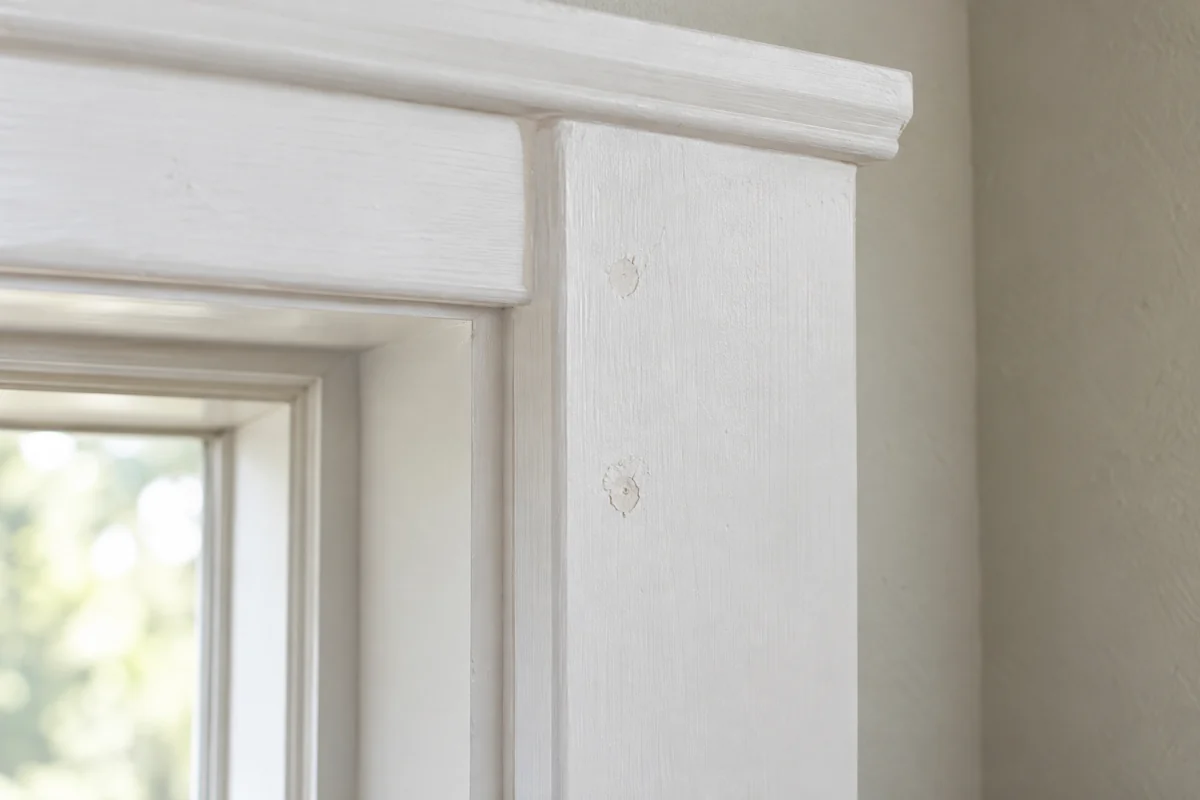
The smallest repairs can become a row of shiny dots if their shape, absorption or finish differs from the surrounding molding.
Read the guideInstallation & repair
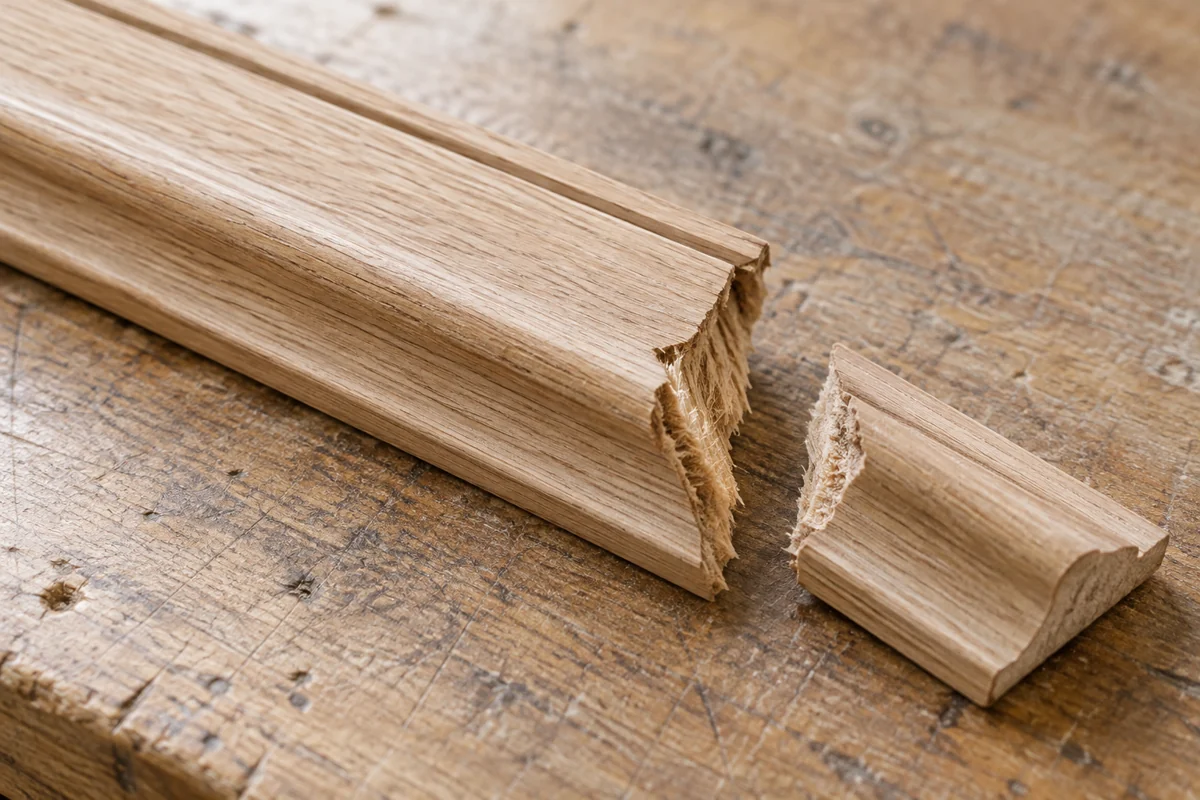
An end split may be cosmetic, structurally important to the joint, or a sign that the fixing method needs to change.
Read the guideInstallation & repair
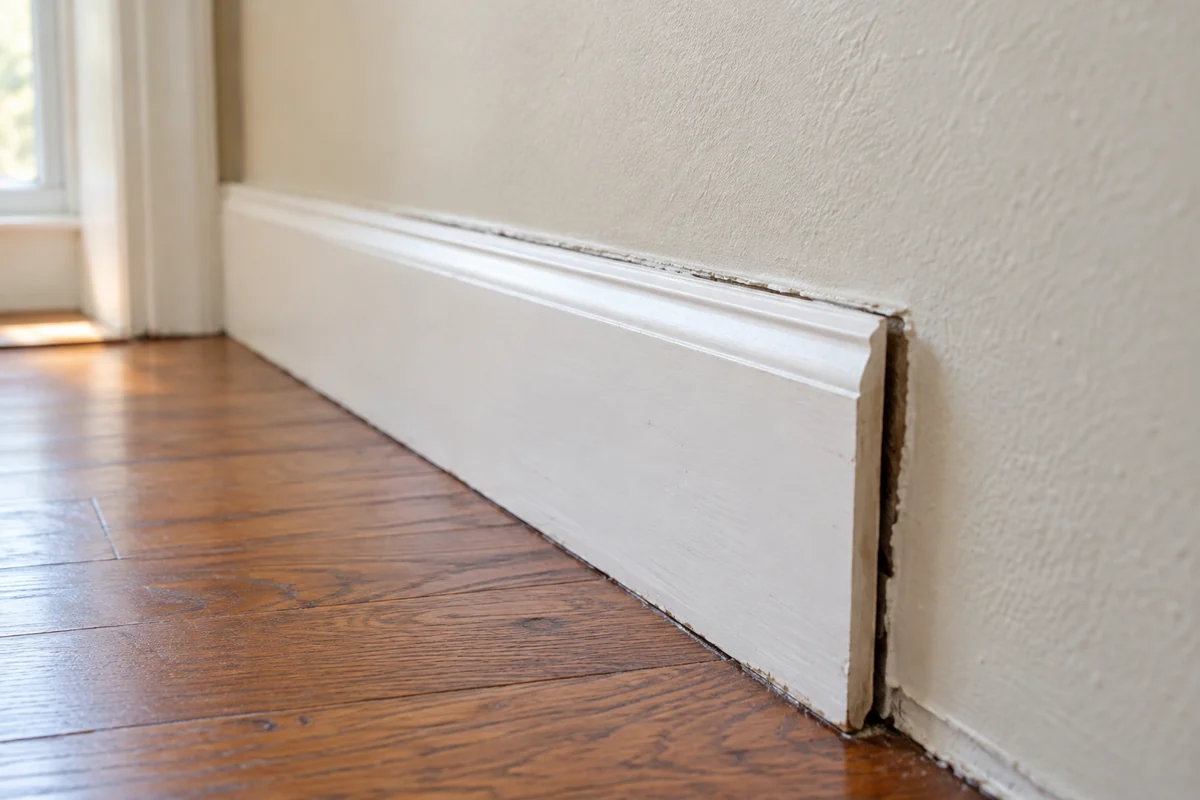
A board pulling away from the wall may have lost its hold, changed shape or exposed a problem in the backing. Find which before closing the seam.
Read the guideInstallation & repair
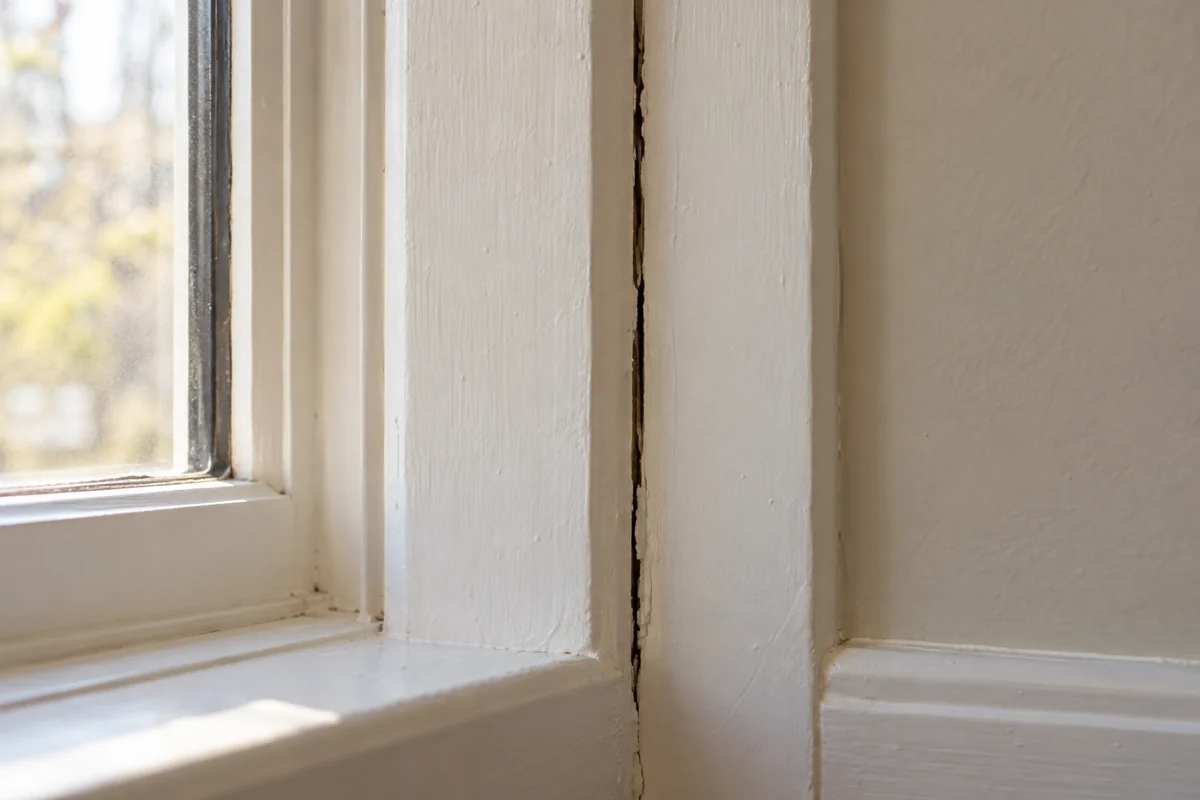
A narrow joint that changes through the year may reflect movement. Observation can prevent an unnecessarily rigid repair.
Read the guideInstallation & repair
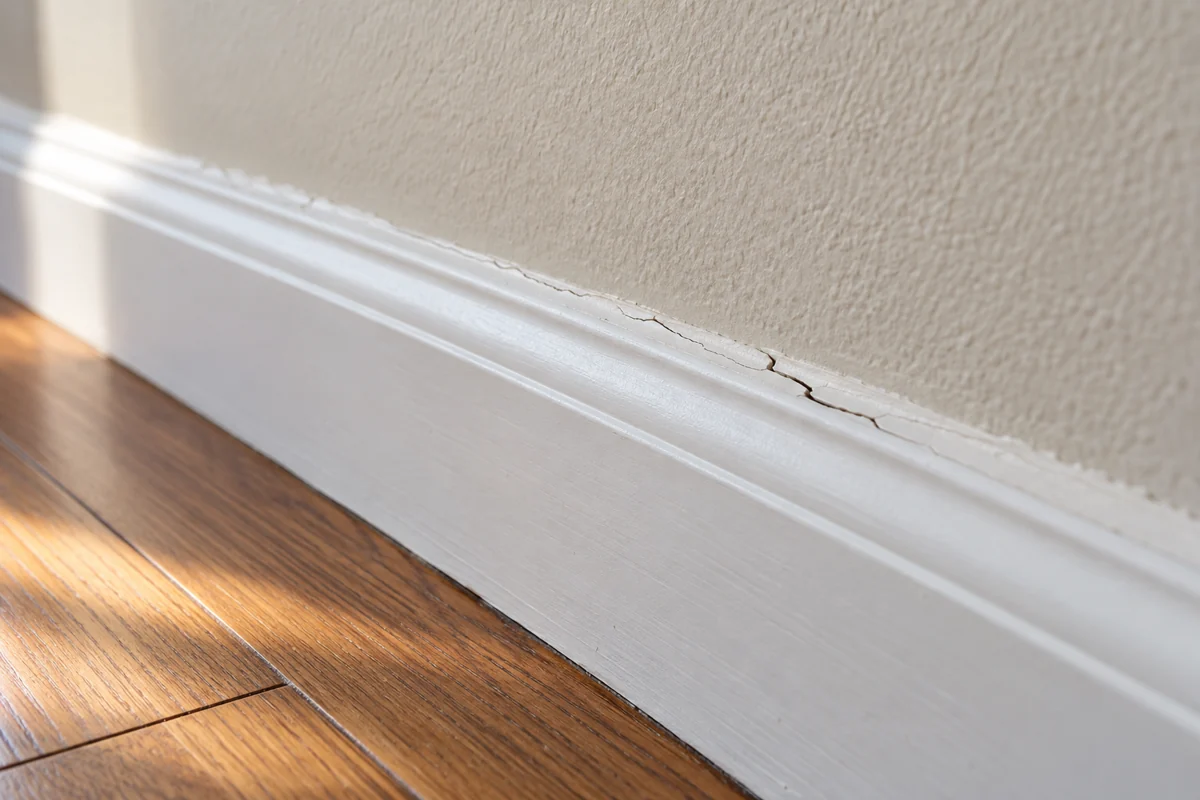
A recurring crack can point to movement, poor adhesion or an unsuitable application. Another layer is not always the answer.
Read the guideInstallation & repair
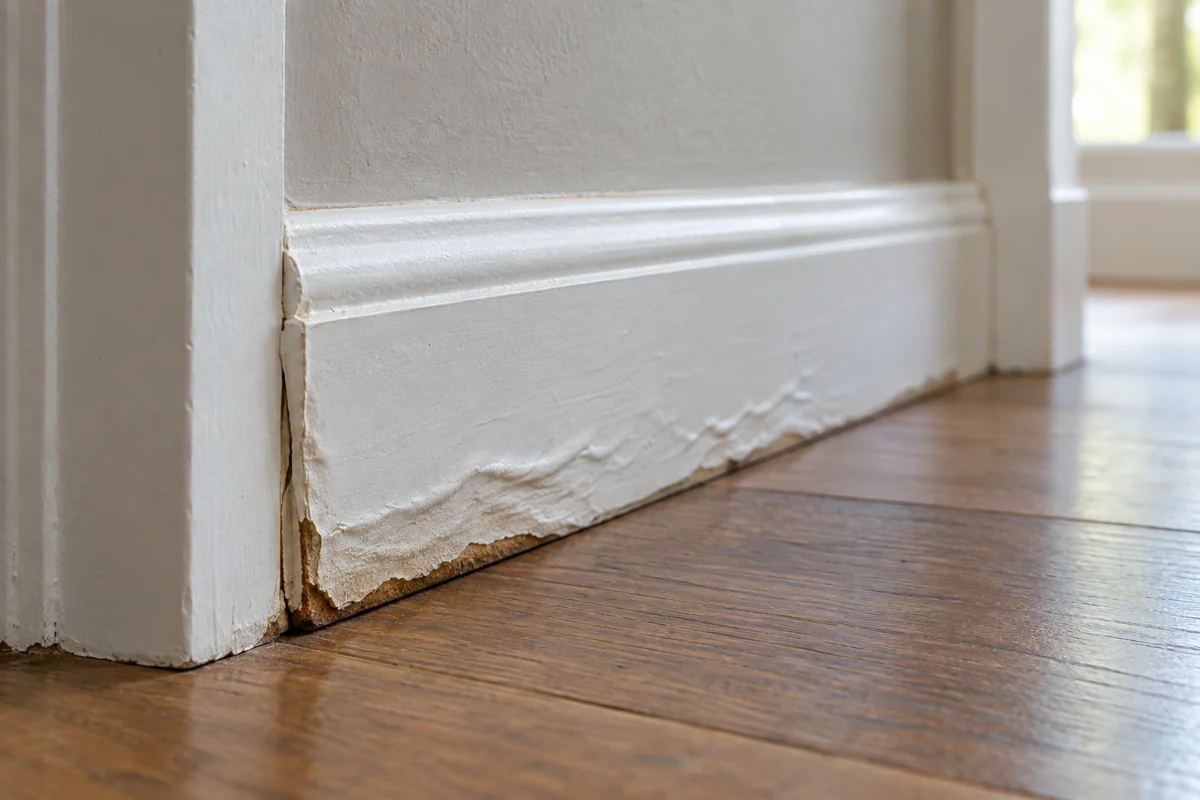
A raised, fuzzy edge is evidence to investigate. Restoring the color does not restore material that has expanded and lost its shape.
Read the guideInstallation & repair
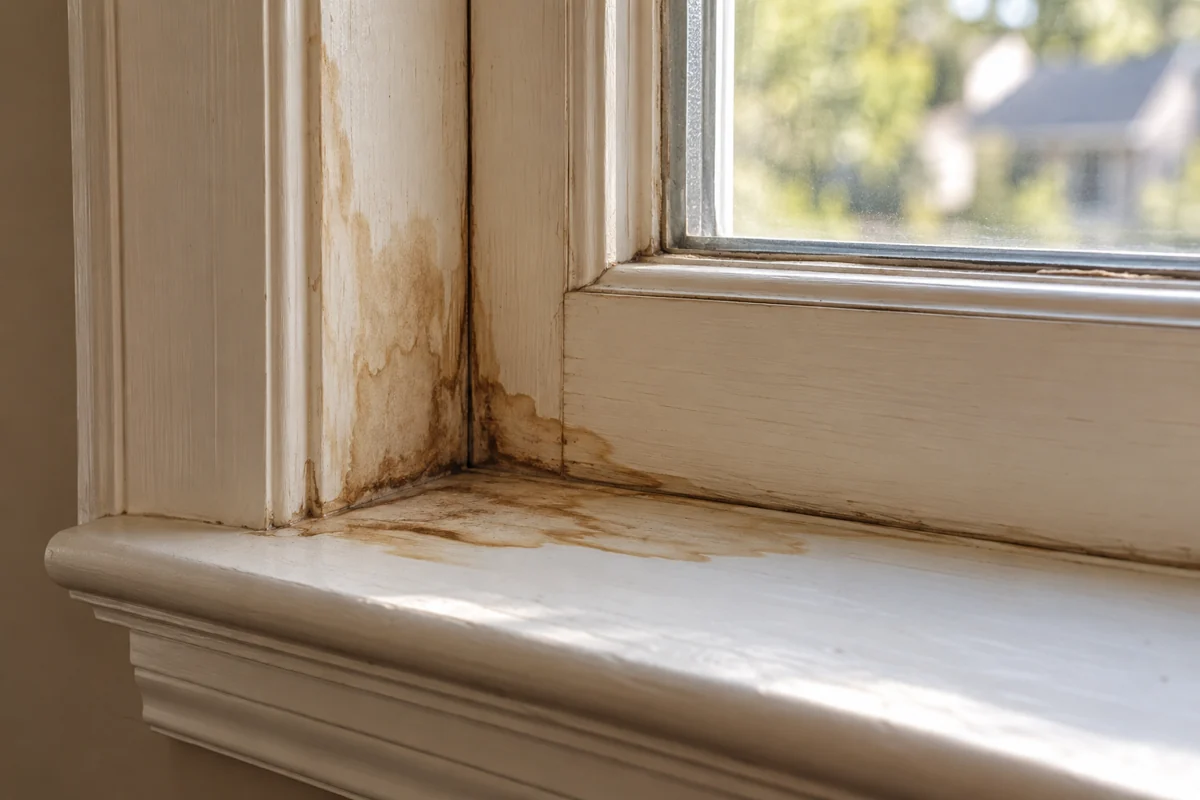
A stain can come from condensation, leakage or an old resolved event. Determine which before treating it as a painting defect.
Read the guideInstallation & repair
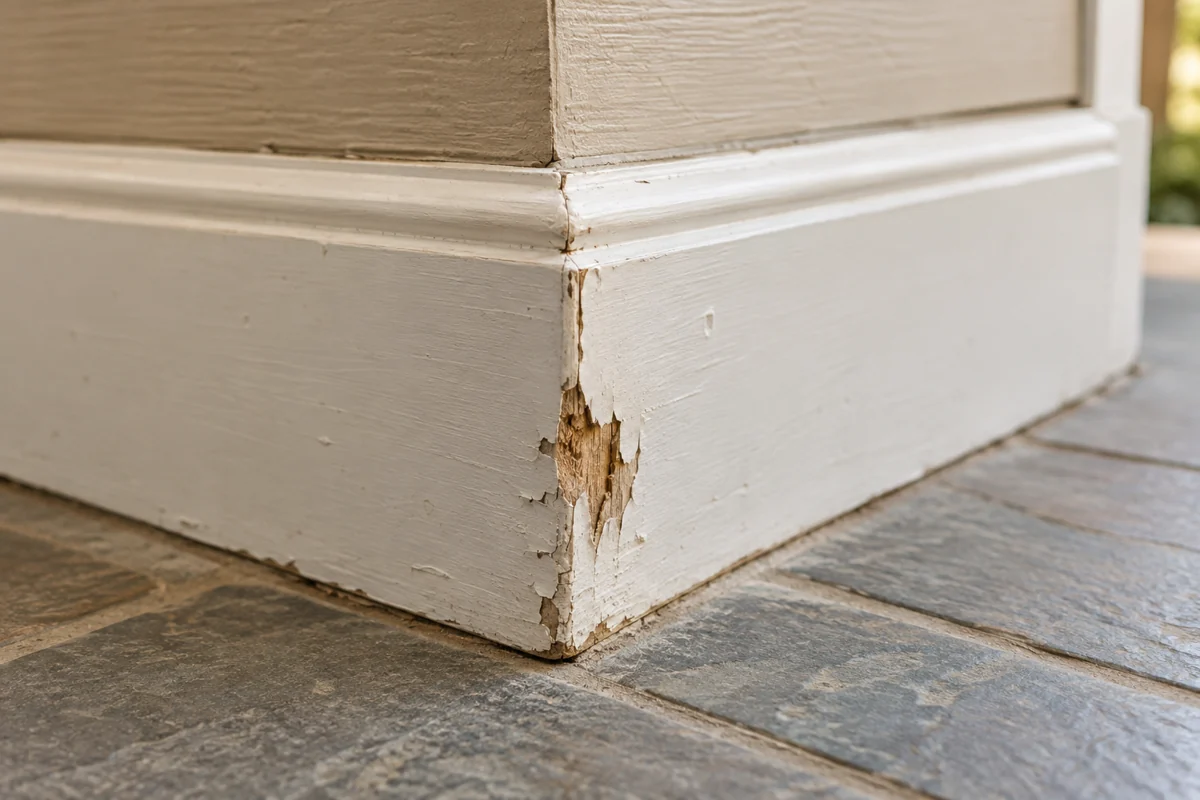
A battered corner needs enough sound material to hold its shape. Rebuilding a tiny missing edge is different from repairing a loose joint.
Read the guide