Installation & repair
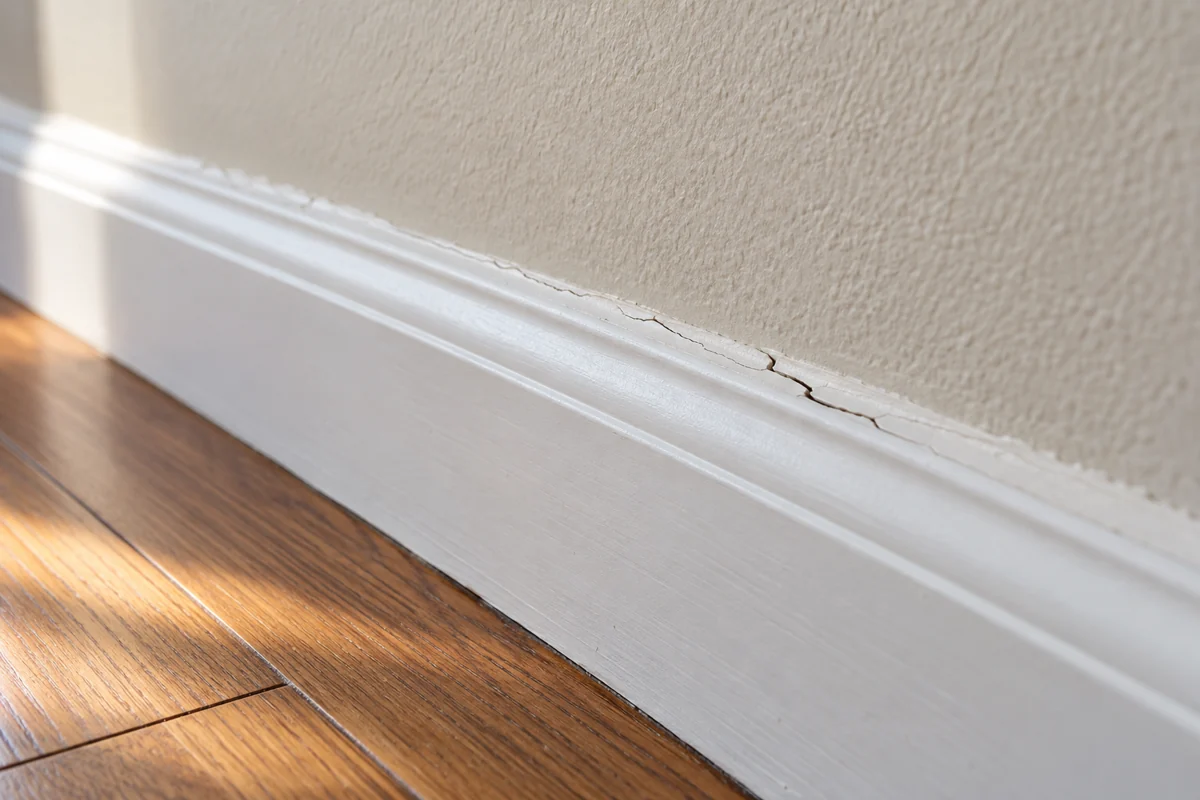
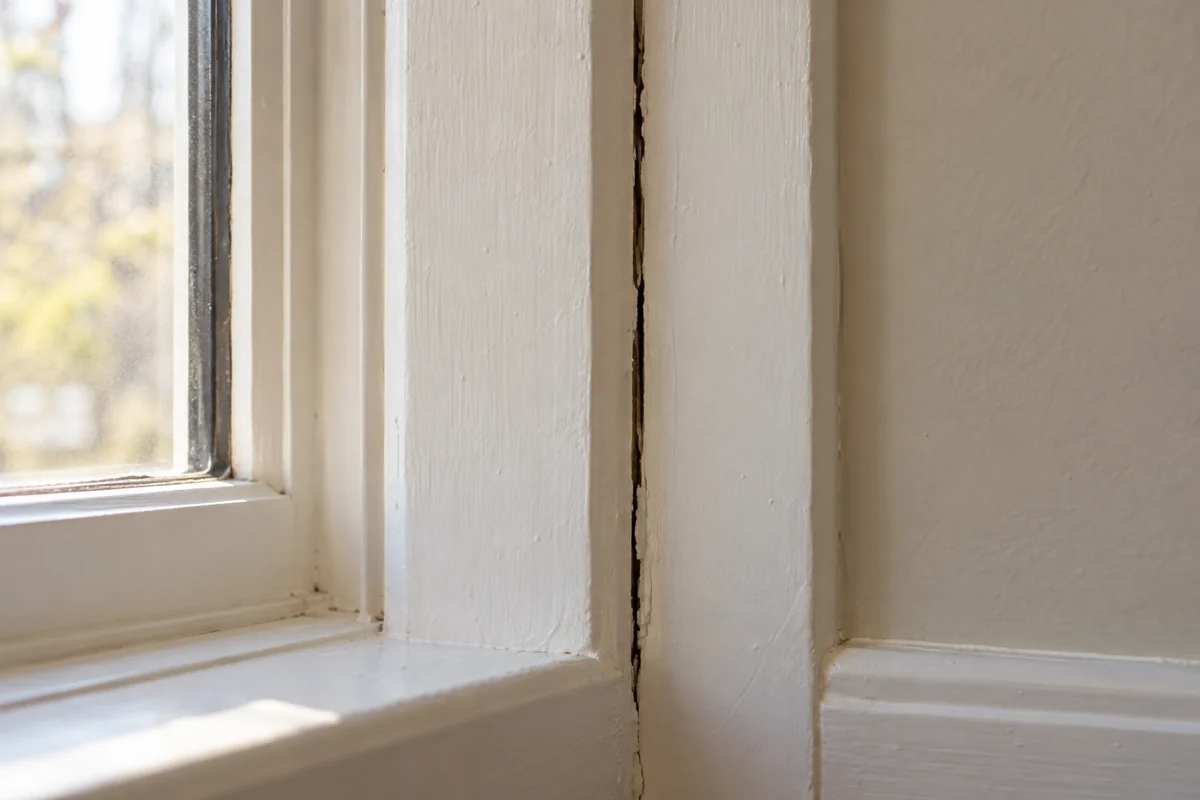
Watch a seasonal gap before making a permanent repair
A narrow joint that changes through the year may reflect movement. Observation can prevent an unnecessarily rigid repair.
Read the guideA closer look
Browse by the detail you want to change, the material you have, or the problem you need to solve.
Installation & repair
A narrow joint that changes through the year may reflect movement. Observation can prevent an unnecessarily rigid repair.
Read the guidePaint & finish
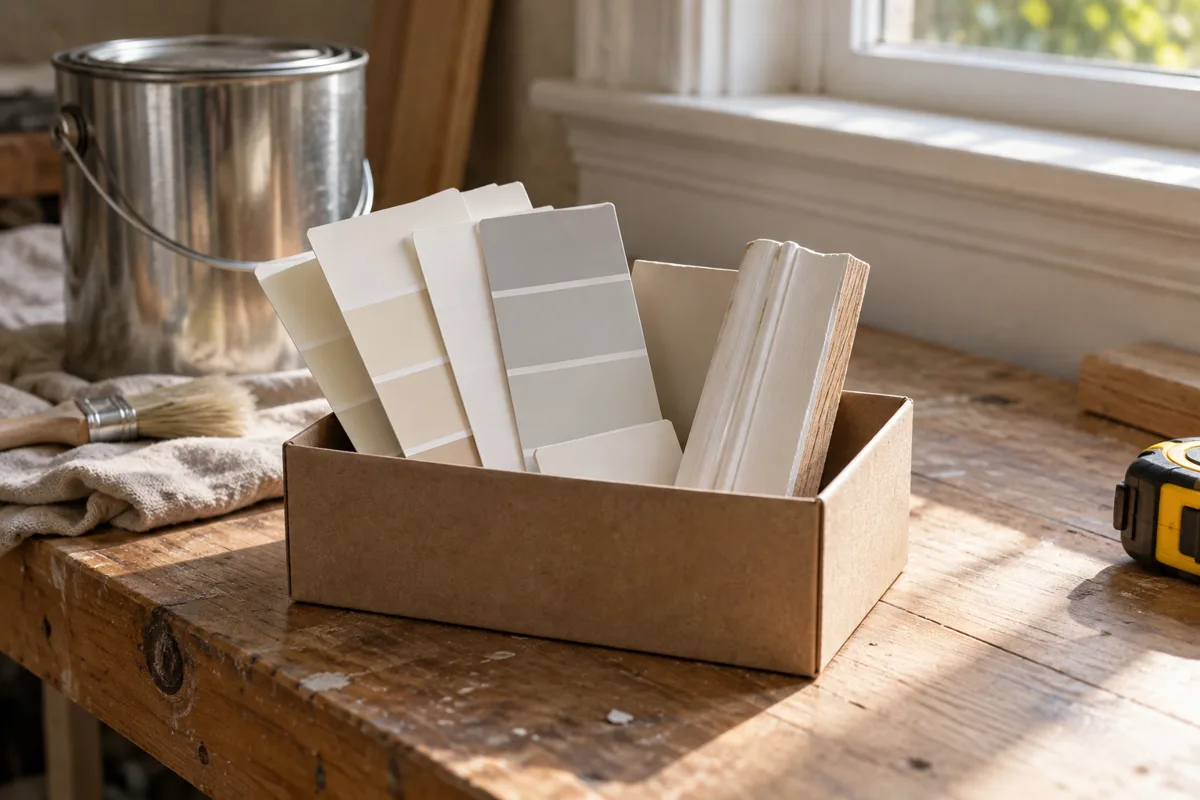
A few exact details and a labeled sample make later touch-ups much easier than relying on a color name alone.
Read the guideBaseboards & casings
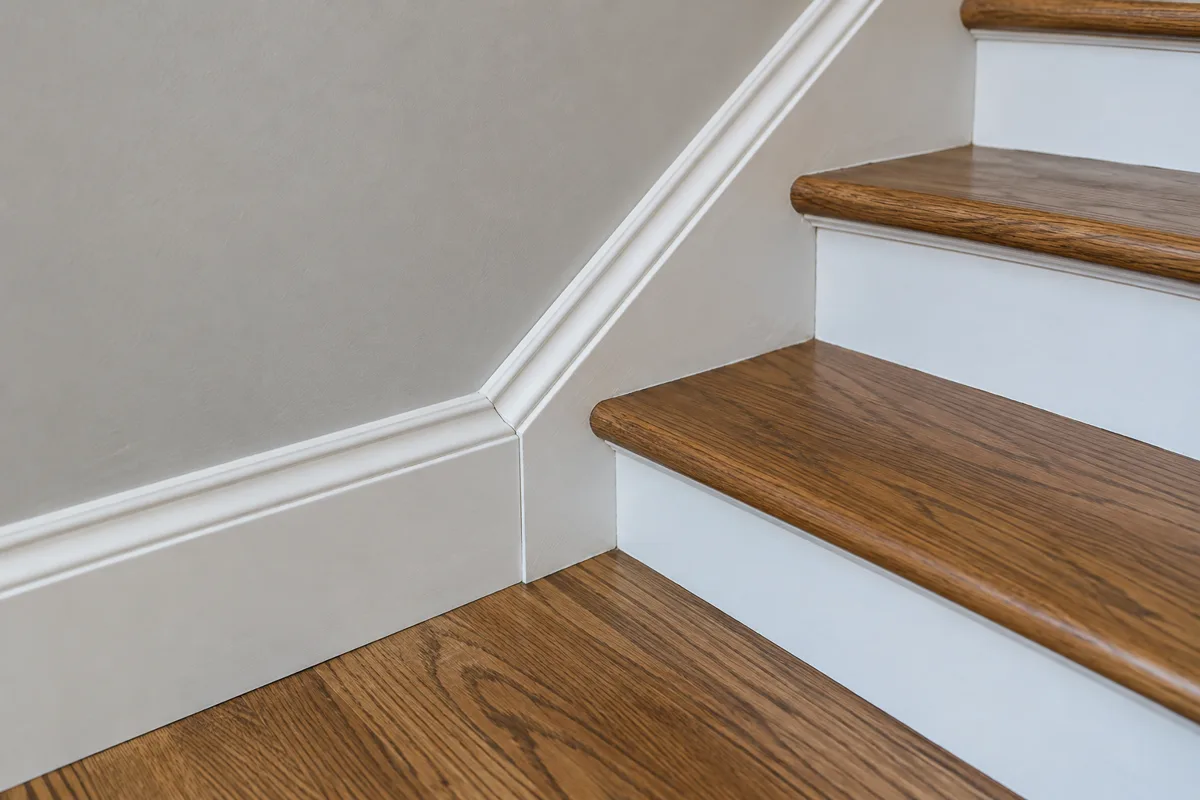
The floor-level trim and the sloping stair skirt should meet through a planned change in direction.
Read the guideWall paneling
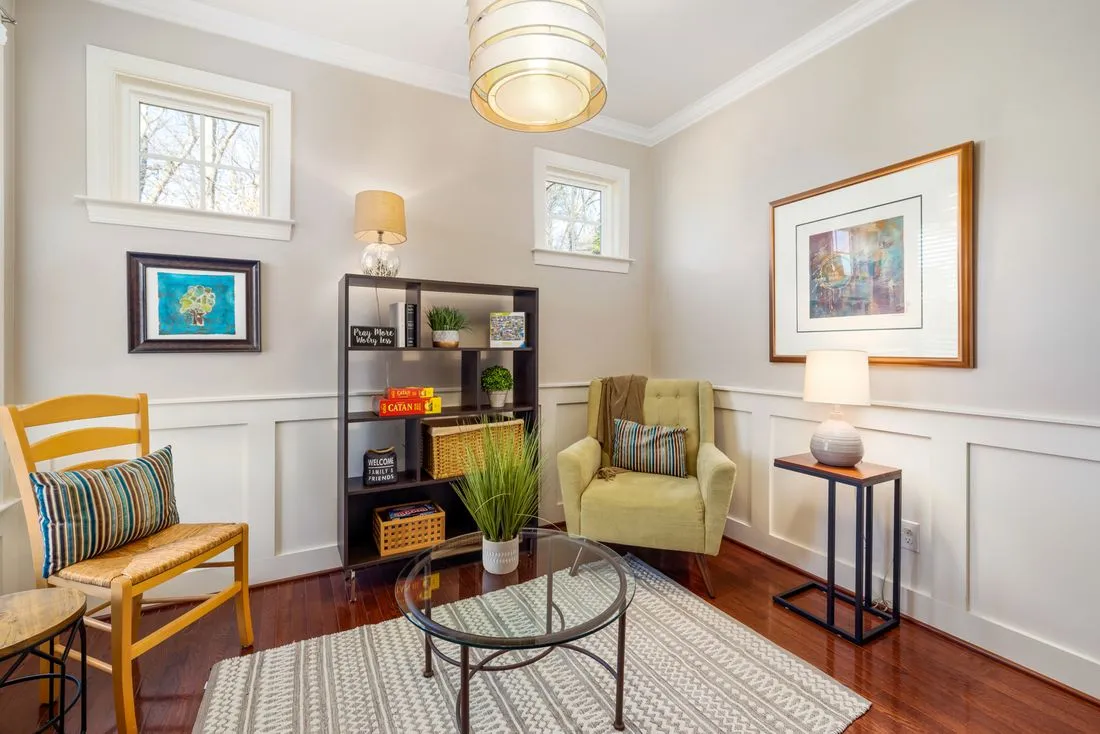
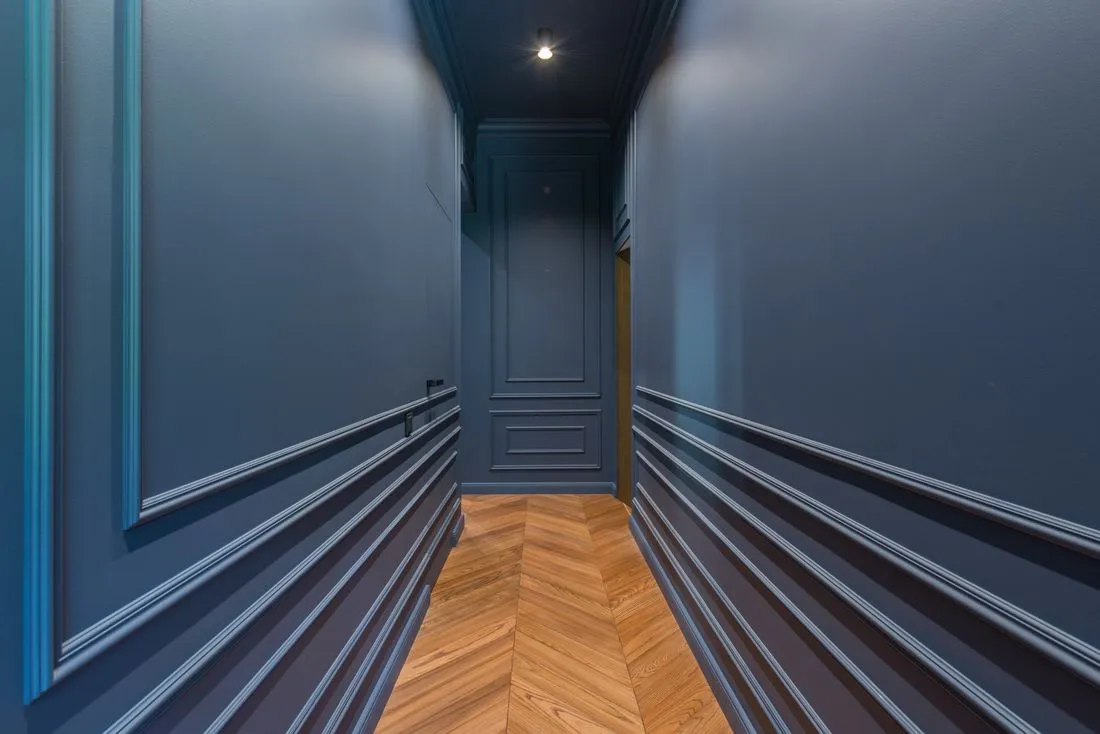
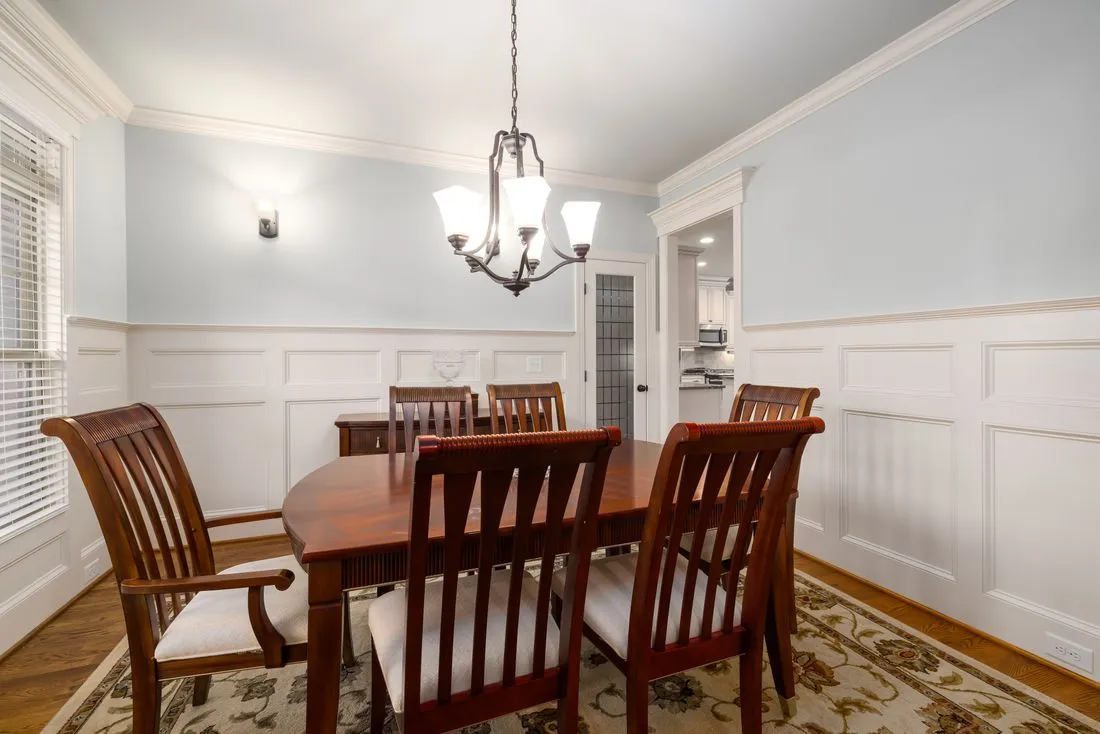
Shelf supports, panel depth, and the surrounding pattern should be designed as one wall assembly.
Read the guideMaterials & tools
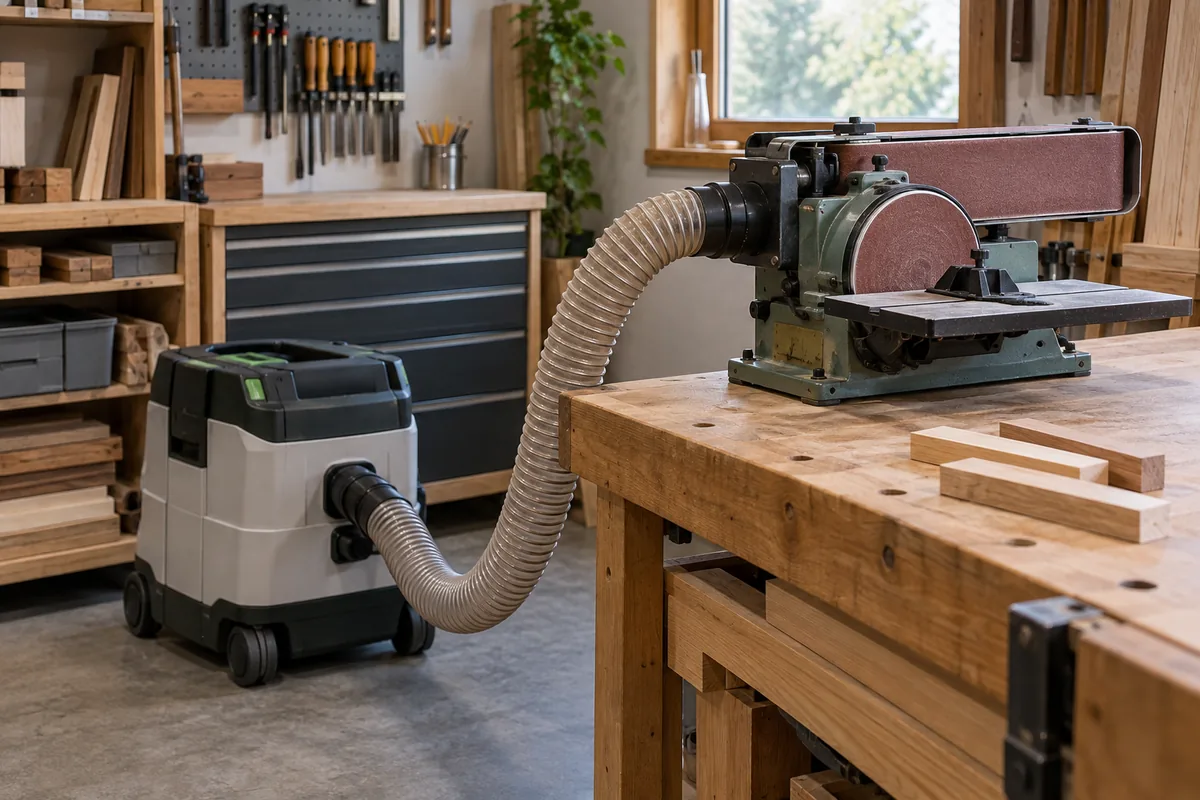
A trim project produces more than visible chips. Plan where cutting and surface preparation happen before opening the room to that work.
Read the guideInstallation & repair
A recurring crack can point to movement, poor adhesion or an unsuitable application. Another layer is not always the answer.
Read the guideBaseboards & casings
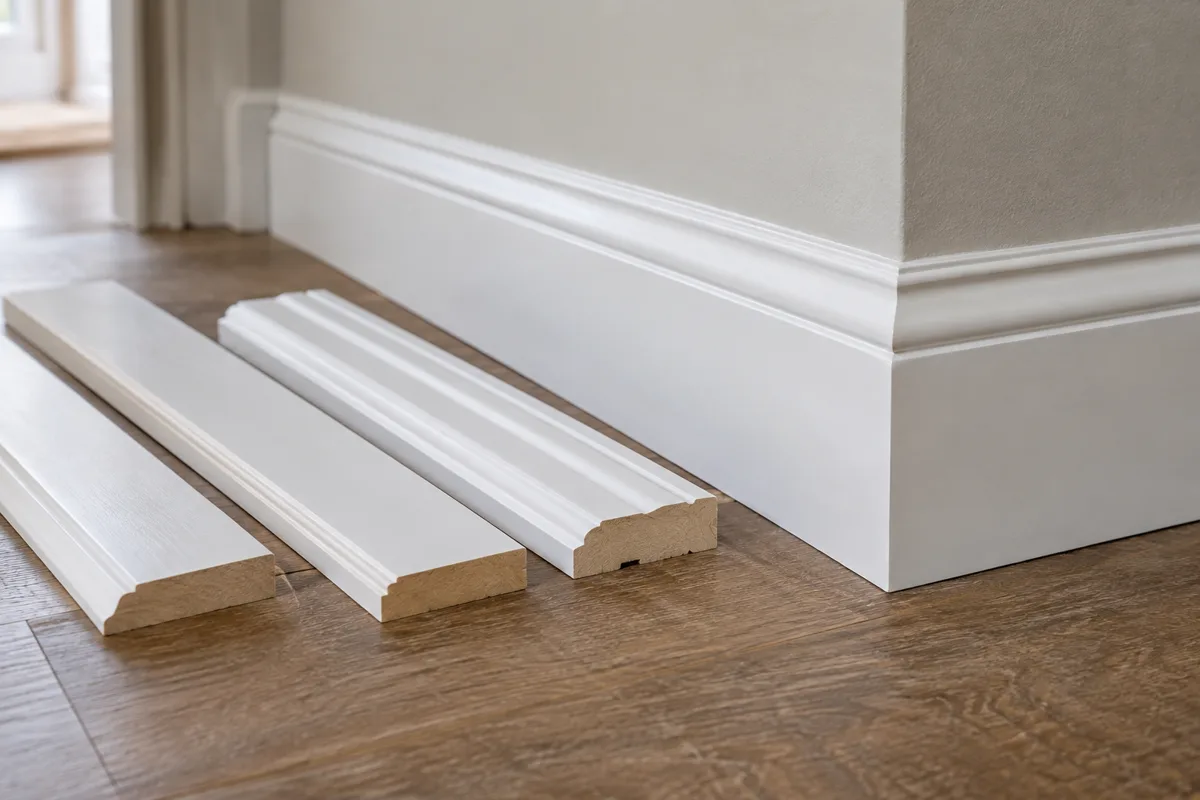
The new floor's thickness and perimeter requirements belong in the baseboard plan from the beginning.
Read the guideWall paneling
A bed wall should work with the whole bed, lamps, and likely furniture changes.
Read the guideInstallation & repair
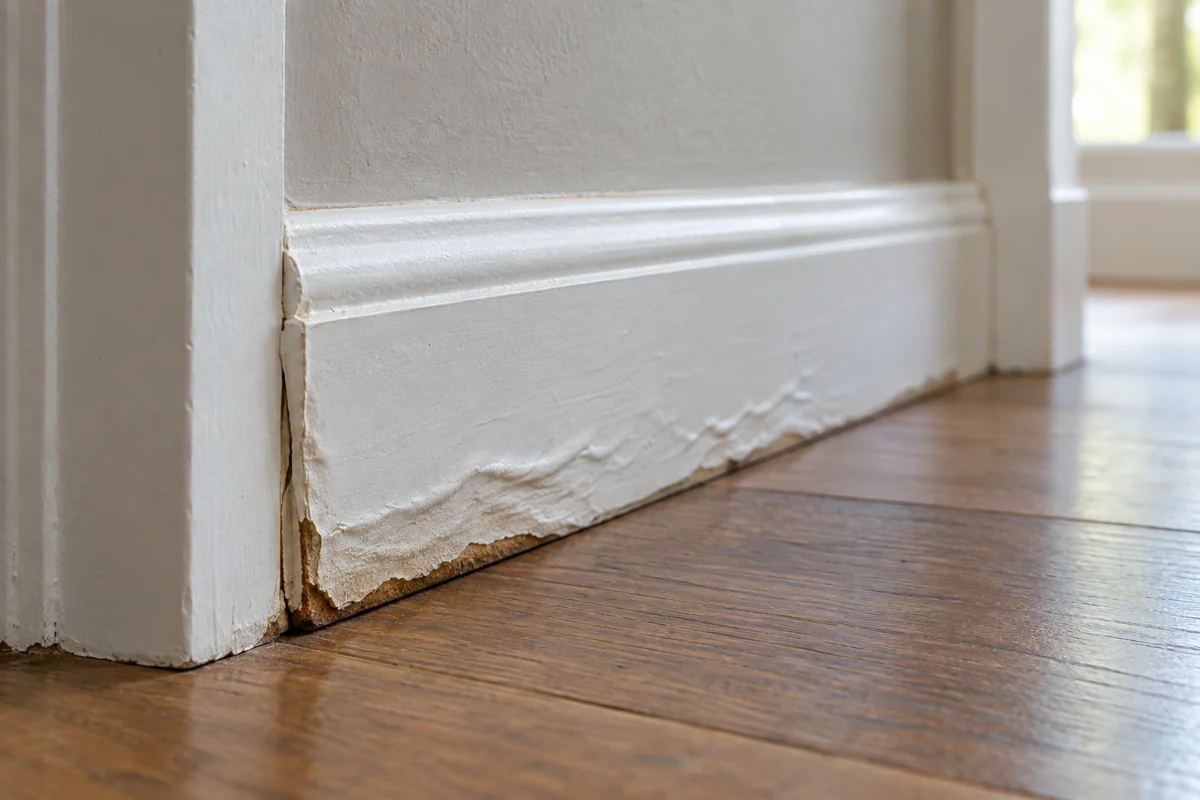
A raised, fuzzy edge is evidence to investigate. Restoring the color does not restore material that has expanded and lost its shape.
Read the guideBaseboards & casings
Matching the paint color quiets contrast, but it does not erase the shape of the trim.
Read the guideWall paneling
Chair contact happens at specific points, so test the furniture before choosing a protective detail.
Read the guideInstallation & repair
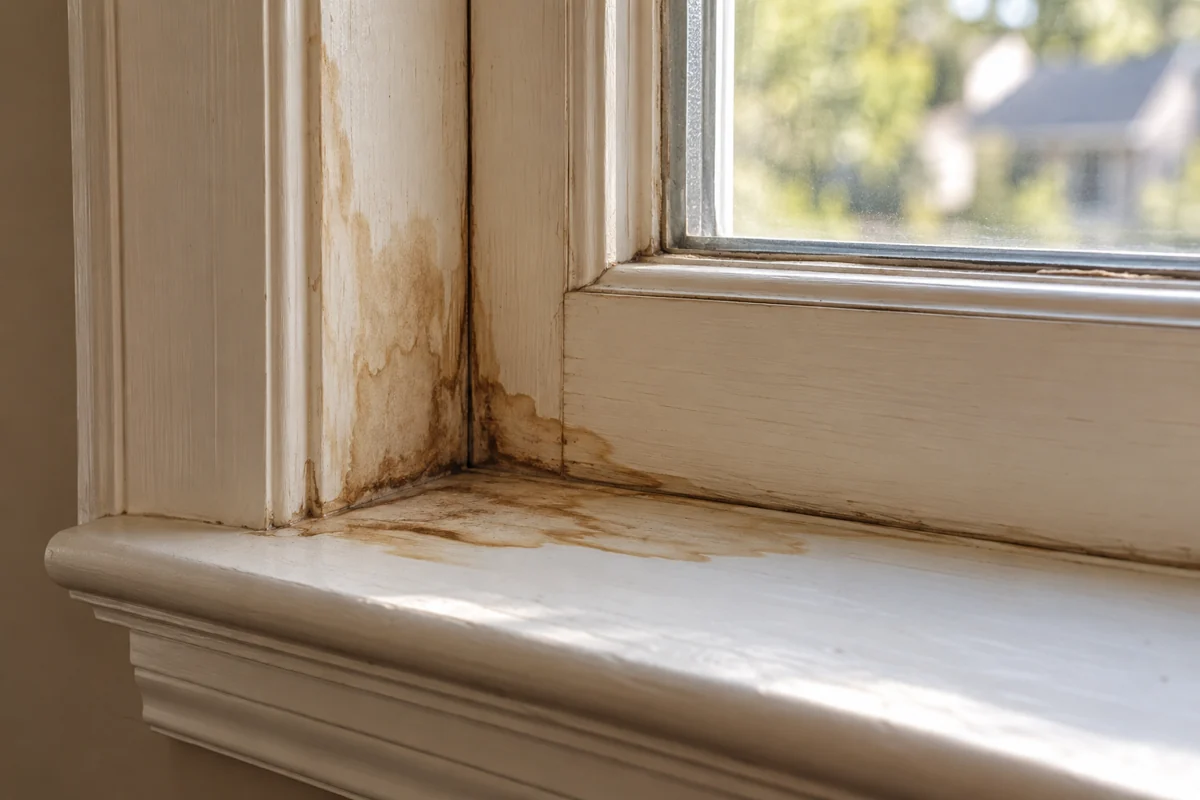
A stain can come from condensation, leakage or an old resolved event. Determine which before treating it as a painting defect.
Read the guide