The most convenient place to cut a board is not always the most sensible place to make dust. A spare bedroom may have a flat floor and good light, but it may also share air with the rest of the house and contain soft furnishings that are difficult to clean thoroughly.
Plan the dusty stages separately from measuring, dry fitting and final painting. If a suitable workshop or controlled work area is available, prepare pieces there and bring them into the room for fitting. This reduces the amount of debris created around finished surfaces and daily living spaces.
Identify what will become dust
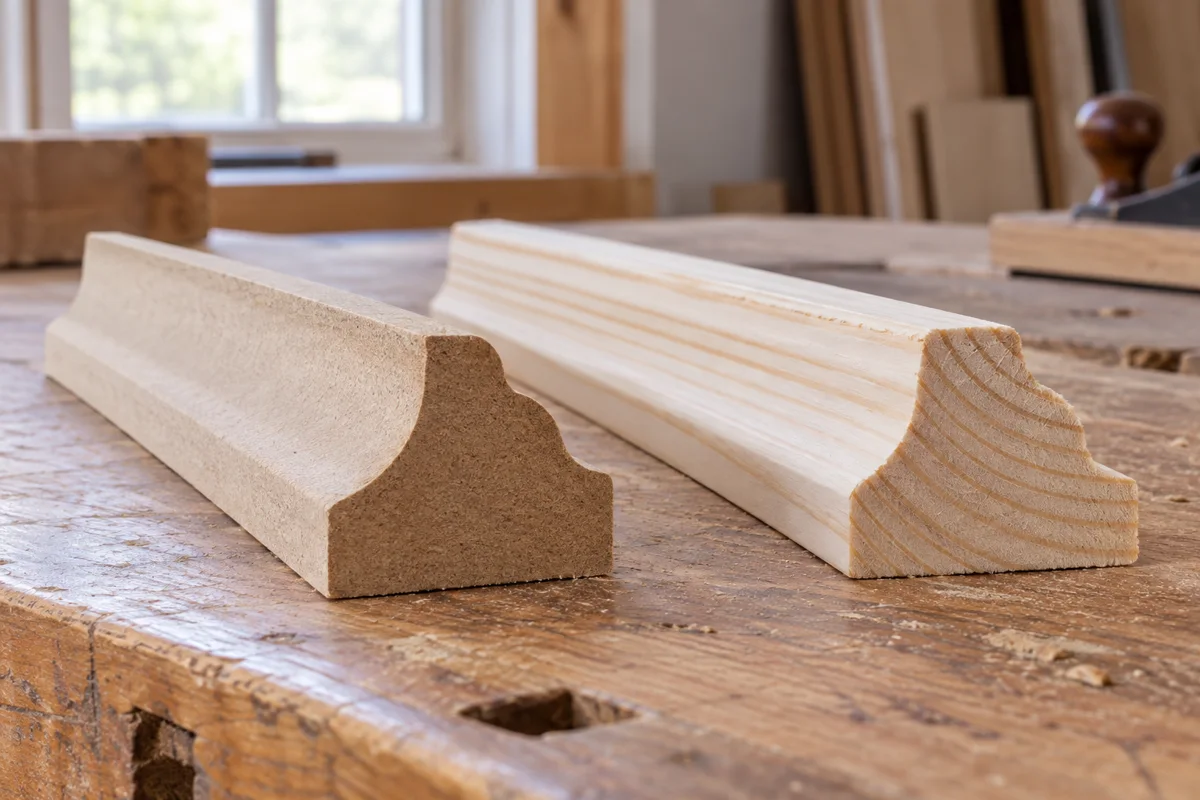
Bare wood, MDF, synthetic molding and old coatings do not present identical issues. Read the material safety information and the tool instructions, and choose appropriate extraction and personal protection. A simple face covering is not a universal answer to every exposure.
Unknown old paint requires a different decision before any cutting, scraping or sanding. In a pre-1978 home, or where coating history is uncertain, arrange lead assessment and appropriate lead-safe work. Do not use ordinary dust-control arrangements as proof that hazardous coating removal is safe.
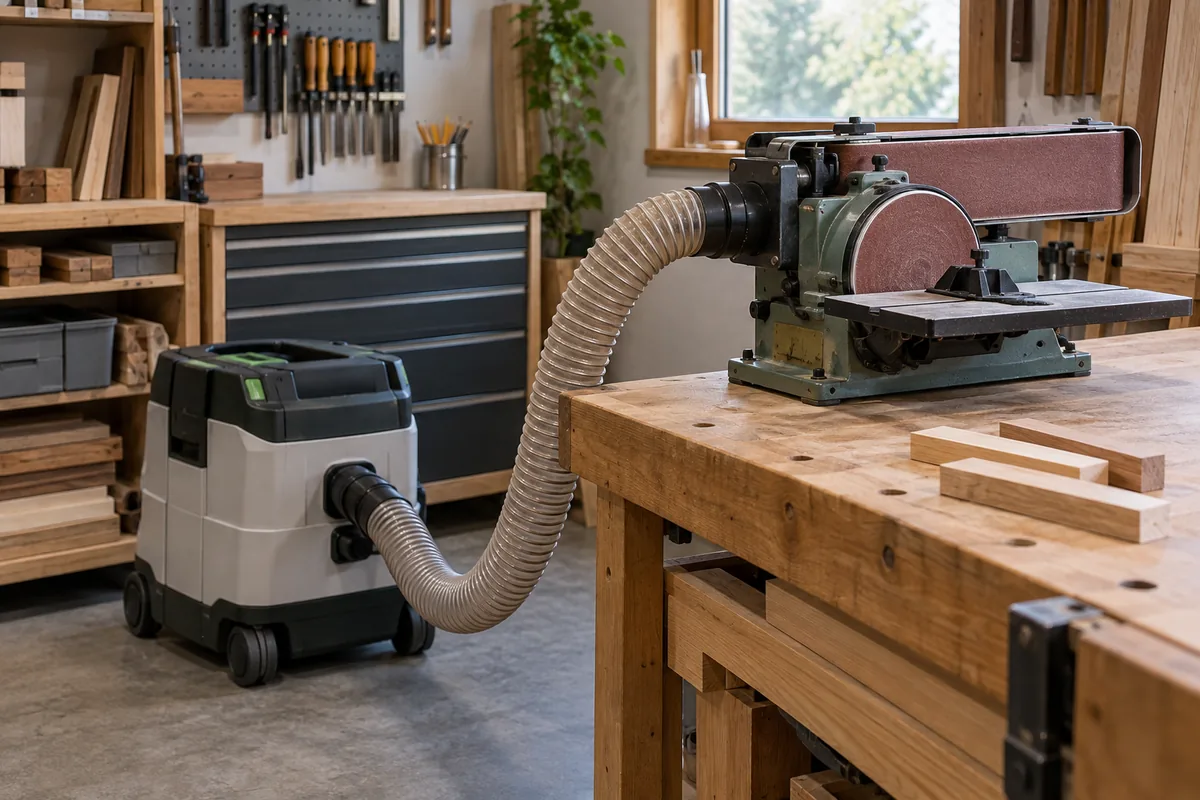
Check the extraction equipment as a system. The tool connection, hose, filter, collection unit and maintenance all affect performance. A machine described as a vacuum is not necessarily suitable for fine construction dust or hazardous materials. Follow the equipment's intended use.
Keep clean work separate
Freshly painted trim and airborne dust are a poor combination. Allow an appropriate clean area for finishing and curing, away from active cutting. Store brushes and finishing materials covered so that cleanup does not begin with picking debris from the coating.
Protect the route between the work area and the room. Dust carried on shoes, clothing and materials can travel farther than the visible pile beside a saw. Keep household members and pets away from the active area and maintain clear exits.
Clean using methods appropriate to the material and hazard. Do not sweep fine dust vigorously or blow it around with compressed air. Empty and maintain collection equipment according to its instructions, without turning that step into a new exposure. If hazardous material is involved, use the required specialist process.
For a small job, having pieces cut by a competent supplier or installer may reduce the need for an indoor workshop altogether. That choice can be especially useful in an apartment or a home without a separable work area. Dust control begins with deciding where the work belongs, not with buying a cleanup tool after the room is already coated.