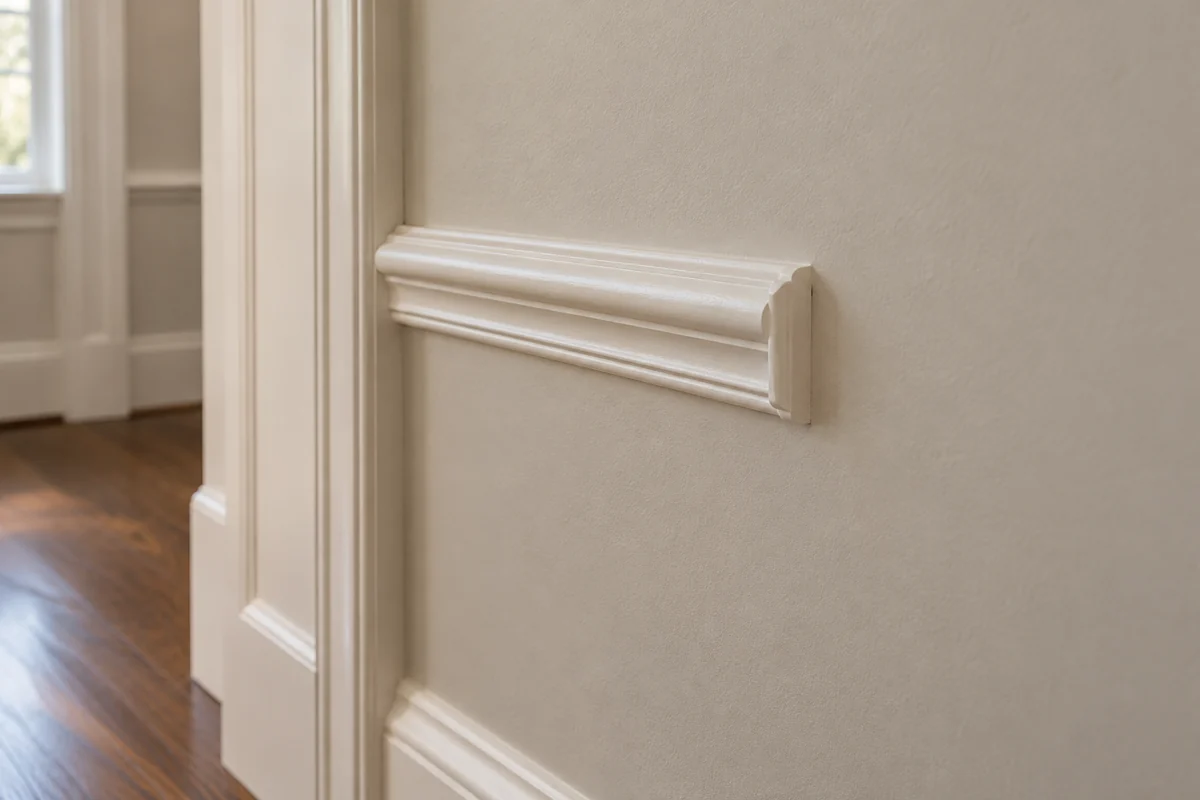
A molding that stops in the middle of a surface exposes its cross-section. On a simple flat board, that end may be part of the intended design. On a shaped cap or chair rail, it can look as though another piece is missing. A return turns the profile back toward the wall or another appropriate termination.
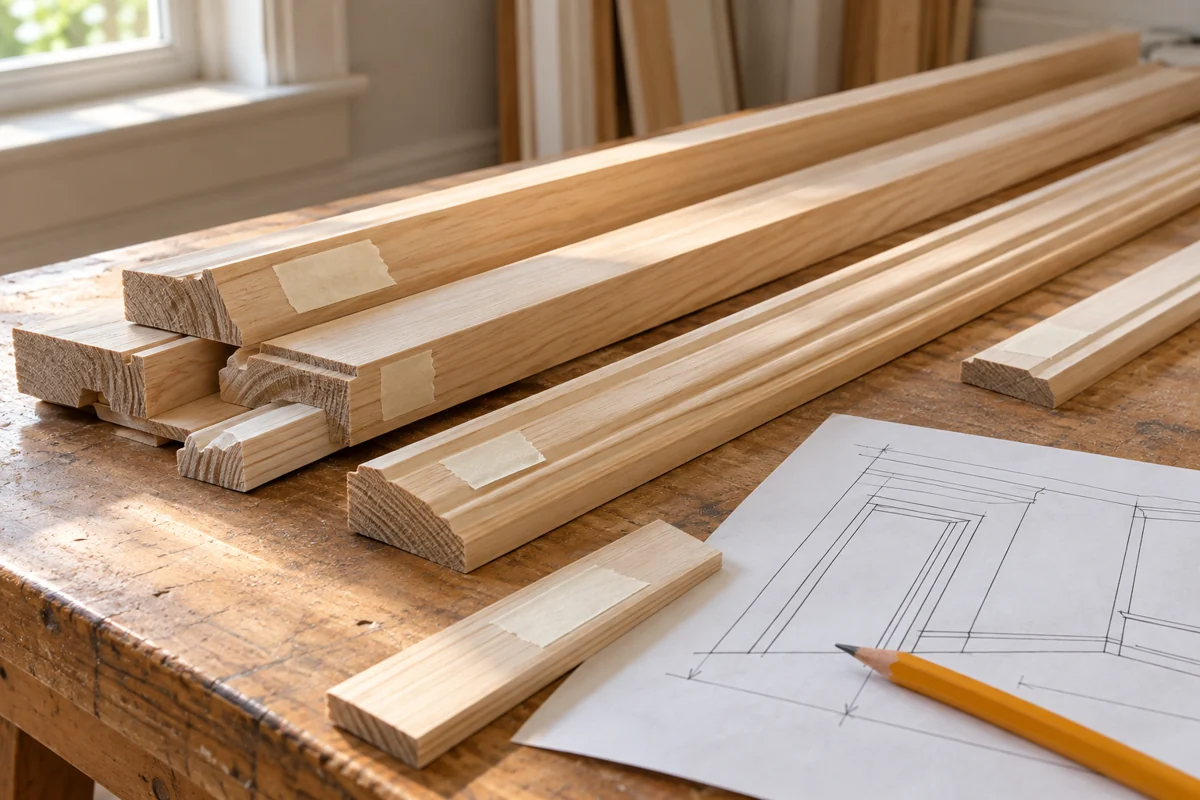
The detail needs planning because small return pieces can be fragile and difficult to fabricate safely. Do not improvise by holding a tiny offcut beside a powered blade. Use the product's recommended method and a safe cutting arrangement, or have a competent installer prepare the detail.
Decide where the line should stop
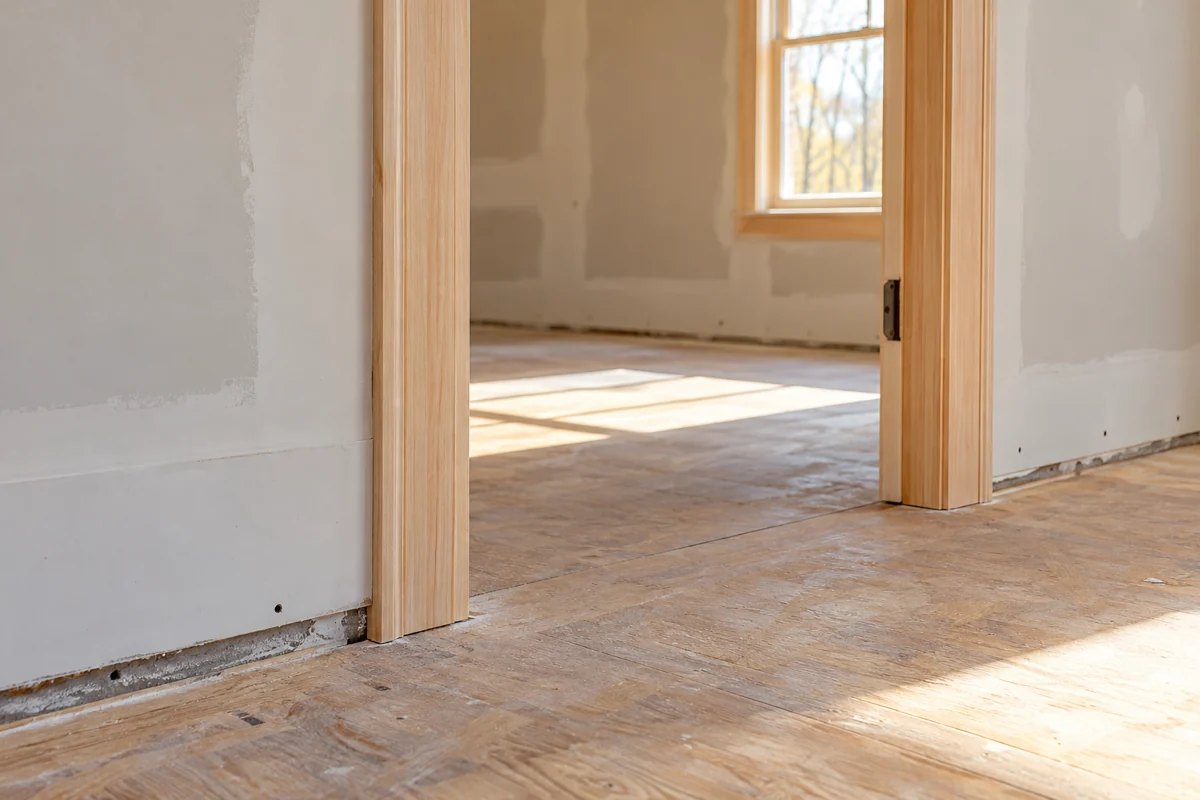
Look at the reason for the termination. It may be a doorway, a change in wall treatment or a short section beside cabinetry. The end should relate to that boundary rather than stop at an arbitrary point where a stock length happened to run out.
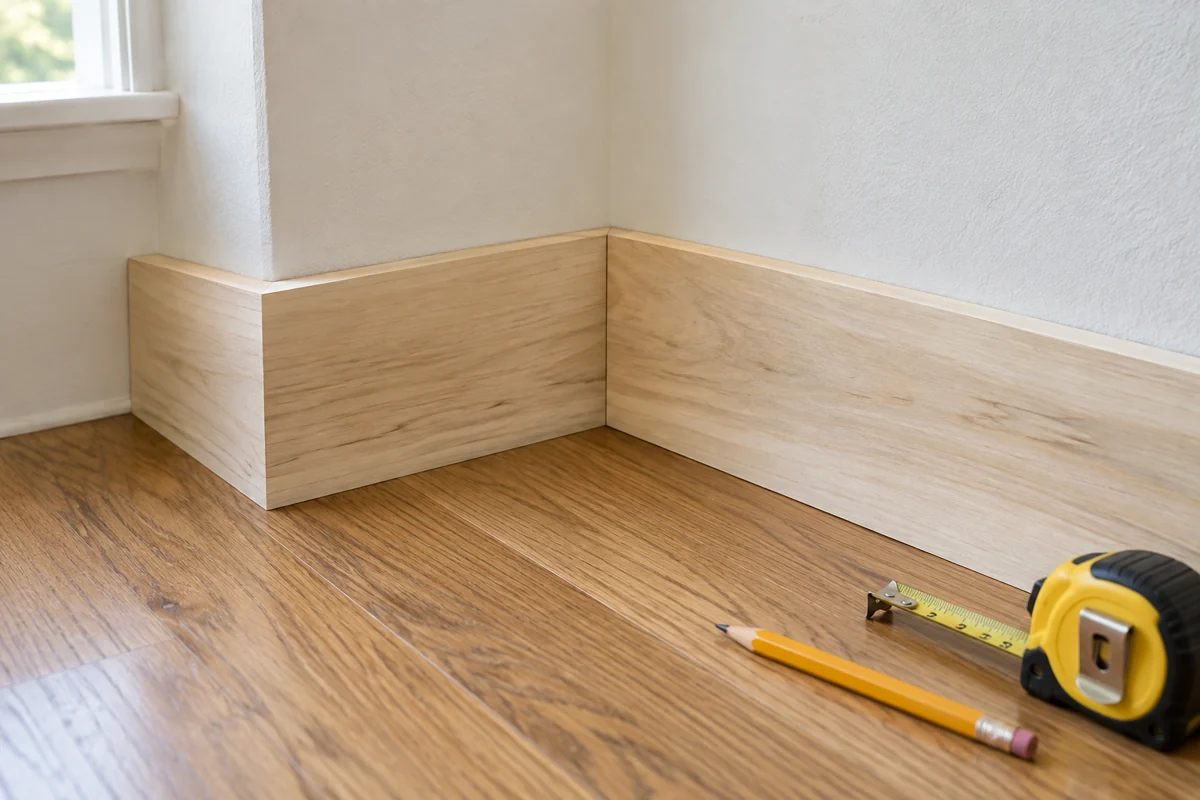
A return is not always the only suitable solution. A square end, a purpose-made end block or a different profile can be more appropriate in a contemporary scheme. Compare the options at full size and from the direction the end will be seen.
For a patterned molding, check whether the return interrupts a motif. For a stained piece, consider exposed end grain and the way the finish changes its color. An opaque paint and a transparent finish place different demands on a small joint.
Support the detail correctly
Follow the material's joining and fastening requirements. A tiny decorative piece should not be treated as a convenient place for an oversized fastener, and adhesive should be selected for the actual surfaces and system. Allow the required curing and support before handling.
Dry-fit the return with the full run. A perfectly formed end can still project awkwardly if the molding itself is tilted or placed too close to another component. Check clearances around doors, furniture and corners where it might be struck.
Once fitted, use only the small amount of compatible finishing material needed for the accepted joint. A large filler mound tends to soften the profile and makes the end look bulky.
Keep one clear photograph and the profile details with the project notes. A small return is easily damaged during later work, and knowing how it was constructed can prevent a replacement from becoming a blunt cut end. The best termination looks resolved even when someone sees it from an angle you did not expect.