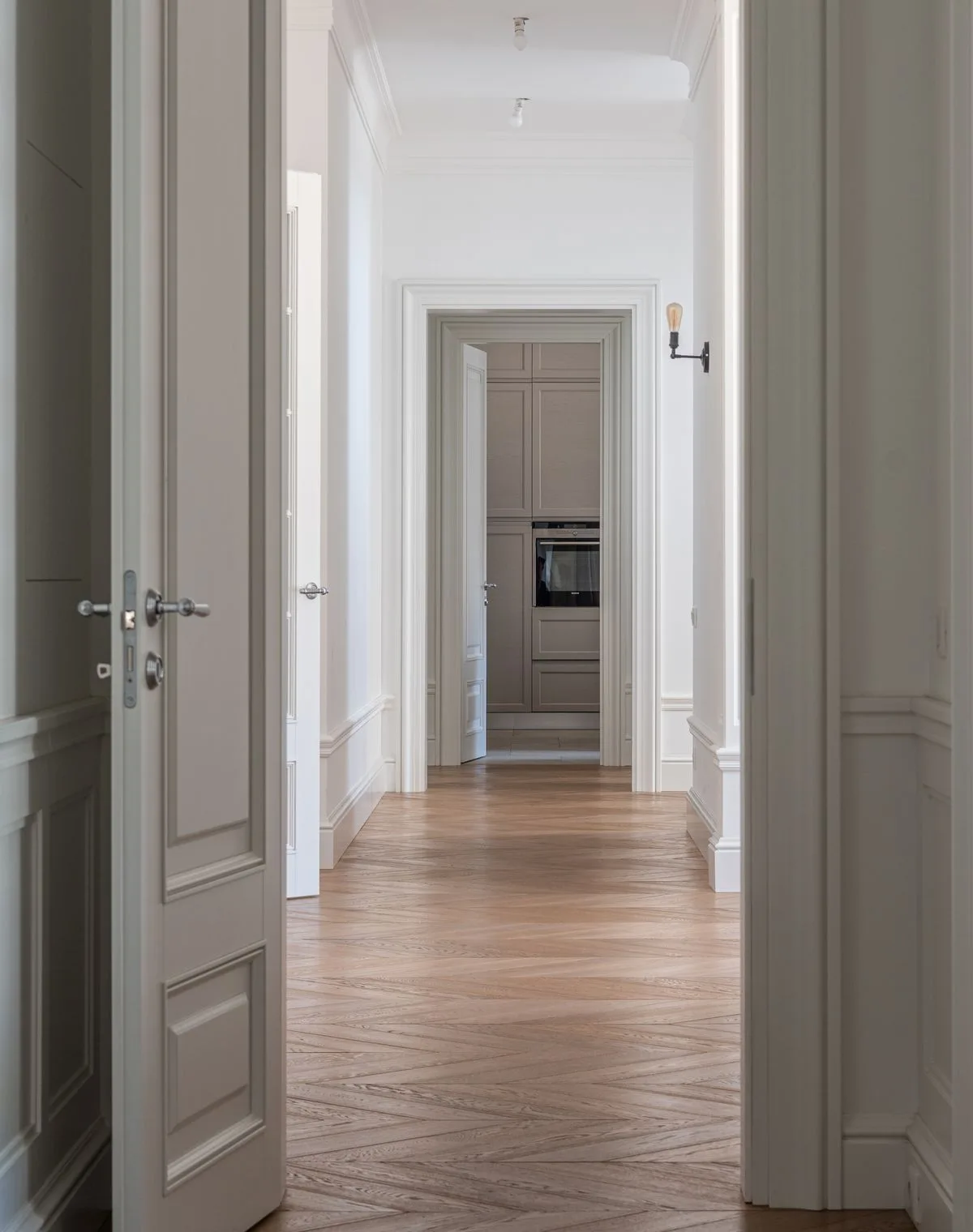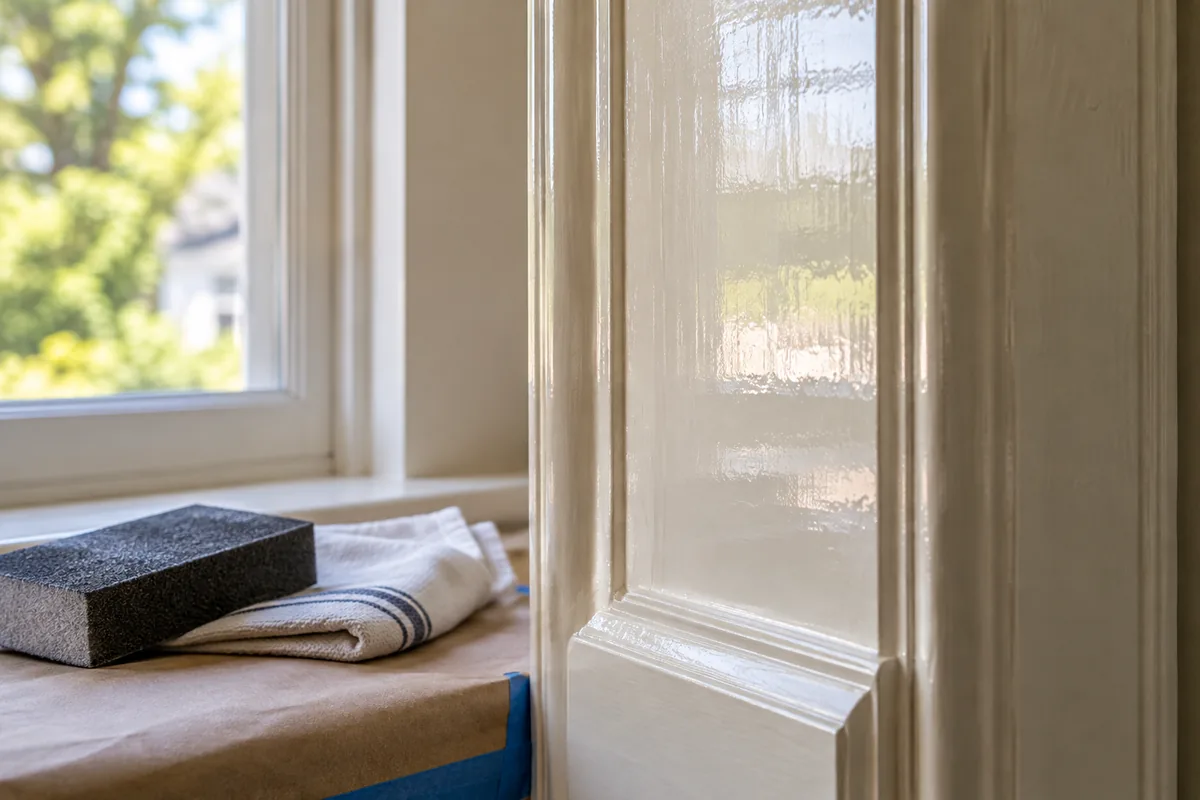
The shine on an old casing can make repainting seem like a simple choice between sanding and using a stronger primer. First establish what condition the coating is in. A glossy surface that is firmly attached is different from one that is peeling, contaminated or built up so thickly that it affects the door.
If the coating is old or its history is uncertain, especially in a pre-1978 home, arrange appropriate lead assessment before sanding, scraping or other disturbance. Do not create dust as an informal test of the finish. The safe preparation process must be known before choosing an abrasive.
Cleanliness and adhesion are separate
Grease, furniture polish and cleaning residue can interfere with a new coating. Cleaning with a compatible system is an important first step, but it does not repair loose paint. Likewise, dulling a surface does not remove every contaminant automatically.
Ask the coating supplier for a preparation and primer system suited to the existing finish and the proposed topcoat. Avoid assuming that all glossy paint is the same chemistry. A suitable compatibility check can be more useful than guessing from the coating's age or color.
Keep the profile intact
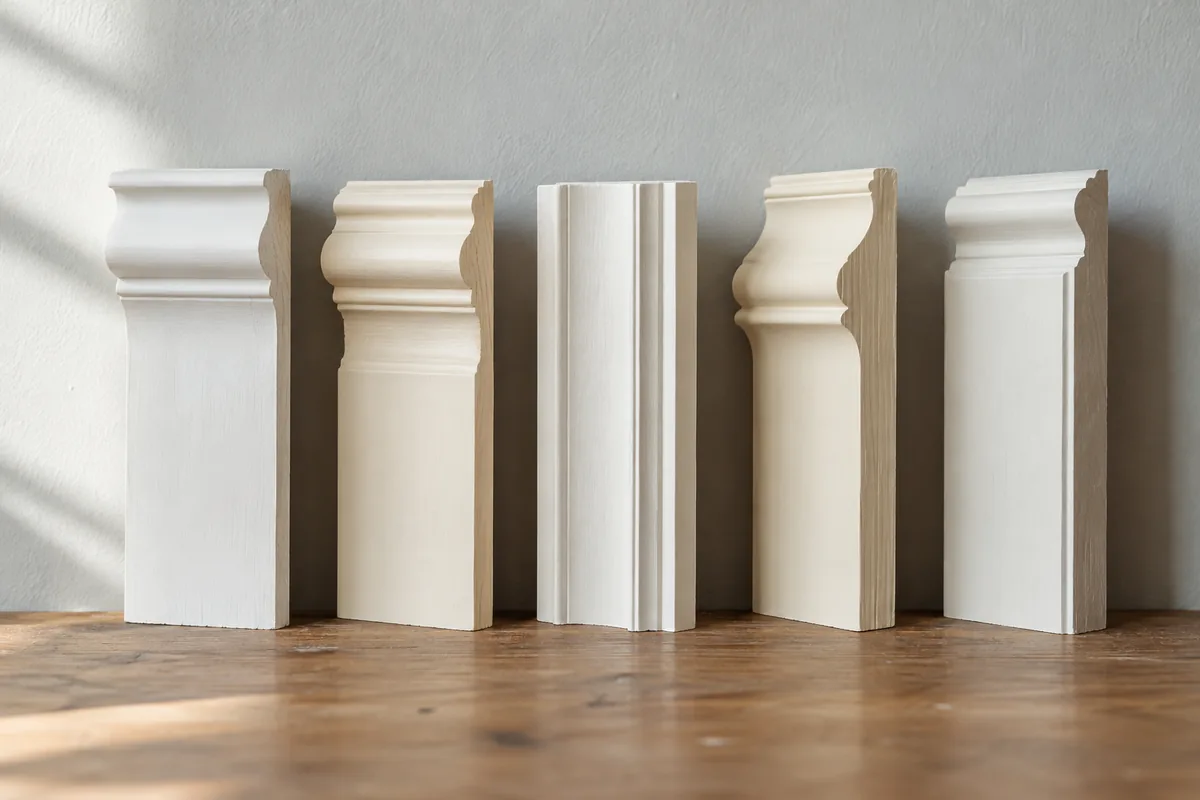
Where safe and approved preparation includes abrasion, it should prepare the surface without flattening details or adding deep scratches. Thick paint lodged in a groove may require a different professional assessment from a broad sound face. More force is not a substitute for the right method.
Examine operating clearances around doors and windows. Adding another film can worsen an existing sticking problem. Have functional issues addressed appropriately rather than relying on a fresh coating to make the assembly move more freely.
Use a test area or representative sample for the complete system. Observe the required waiting periods before evaluating adhesion and appearance. A patch that looks good while wet does not prove compatibility, and an improvised scratch test performed too early can be misleading.
Plan the final boundary
An old glossy surface may have yellowed or worn unevenly. A small repaint can therefore stand out even when the nominal color matches. Finishing a complete logical component, such as one casing leg or an entire opening, may produce a more coherent result than blending across a random boundary.
Follow the new coating's dry, recoat and cure guidance, including any limits on closing doors or applying tape. Keep the room suitably ventilated and protect the fresh finish from contact.
The goal is not merely to remove shine. It is to establish a stable surface and a compatible coating sequence while preserving the molding and the function of the opening.