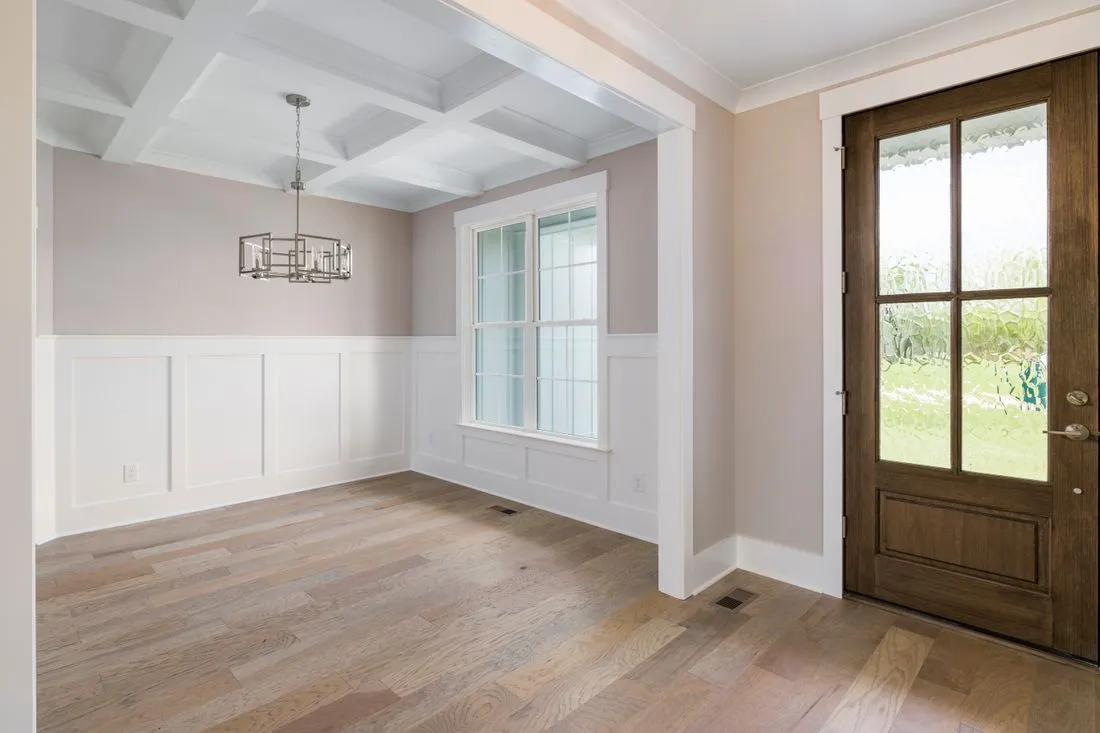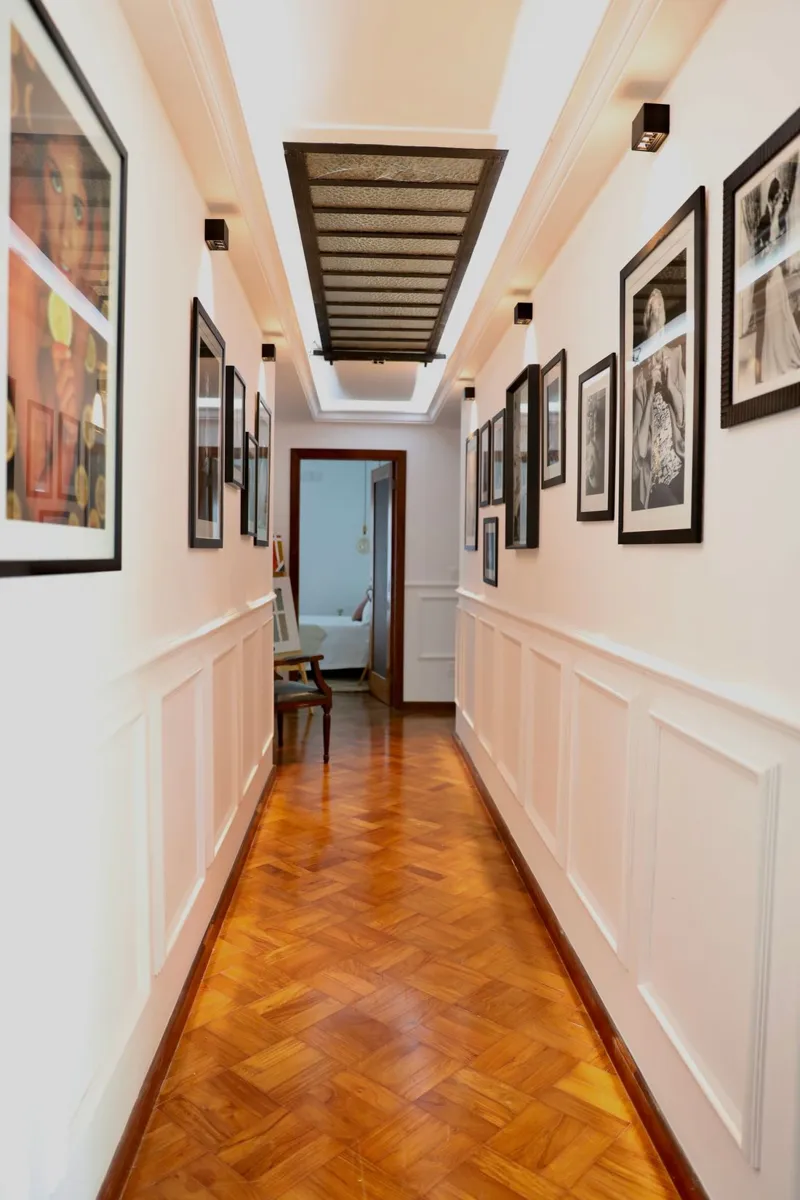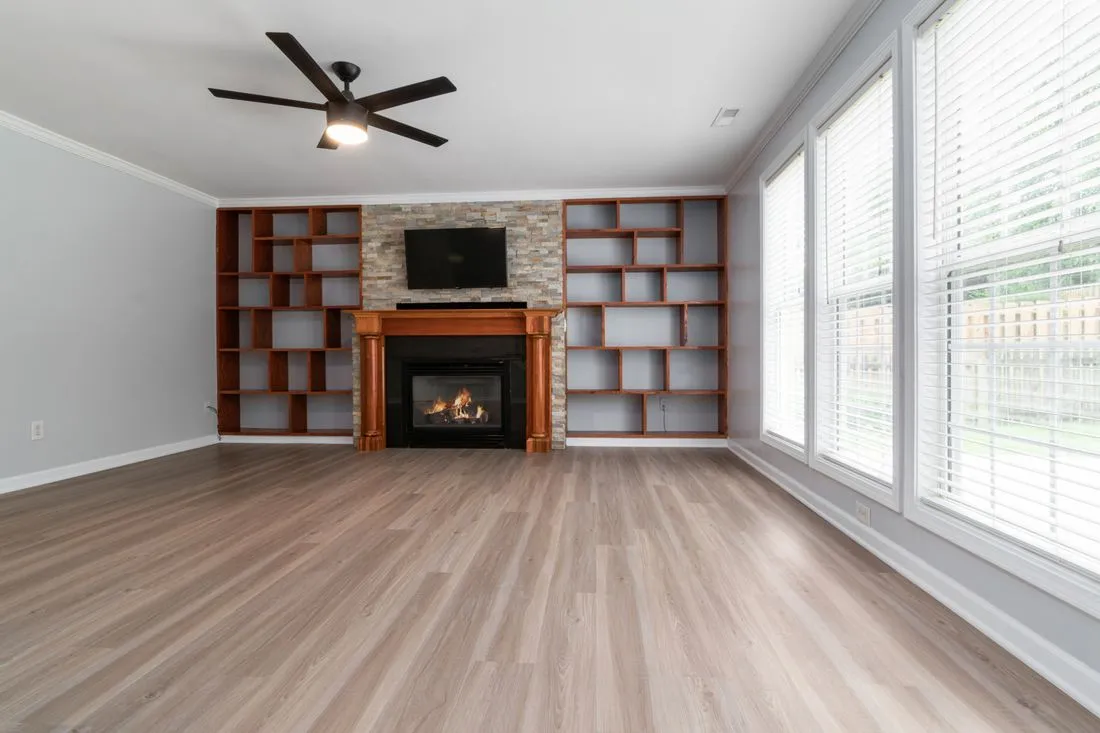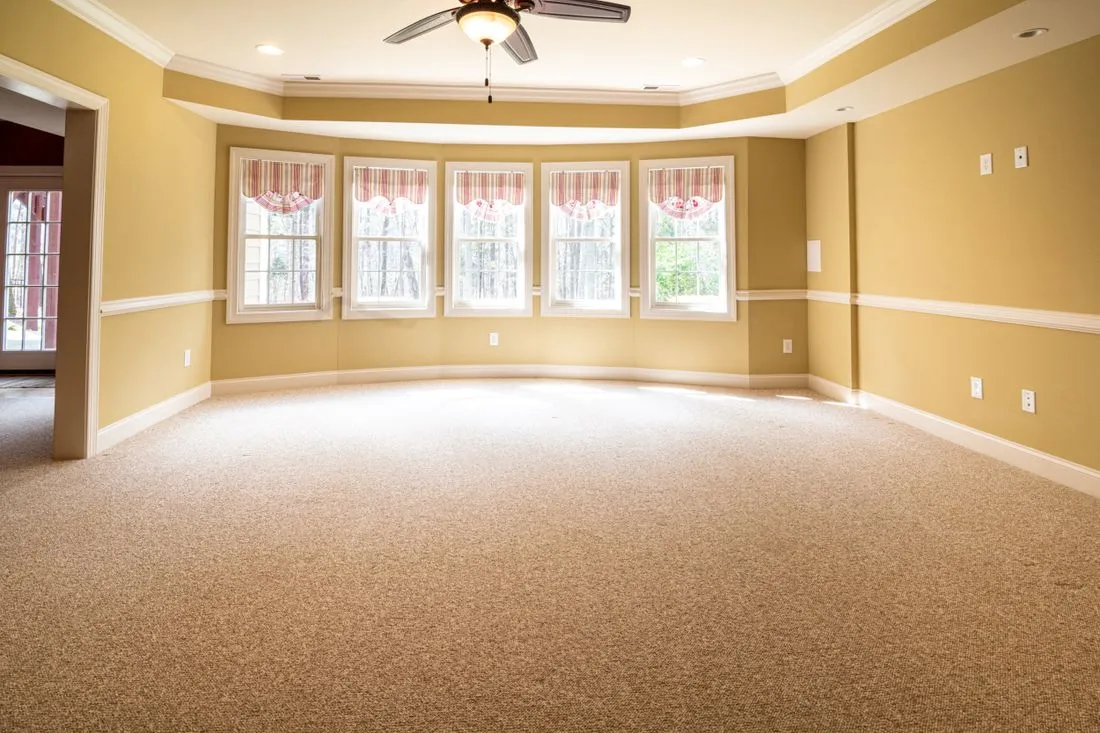
Updating one room before committing to the whole house gives you a chance to learn from the material, finish and installation. The trial is most useful when the room contains the details that will recur elsewhere. An empty square room with one door may be easy, but it will not test a scheme intended for bay windows, narrow corners and built-ins.
Look for ordinary ceiling height, typical door and window trim, and a floor transition similar to the rest of the house. Include at least one awkward junction if possible. You want to discover whether the new baseboard meets the casing well, not merely whether a straight length looks attractive.
Keep the scope bounded. A trial room does not need every decorative idea on the wish list. It may only need the proposed casing, baseboard and finish. Testing too many treatments at once makes it harder to understand which decision caused an unexpected result.
Record the selected profiles, material quantities, stock lengths, coating system and planned installation sequence. Note what you expect to keep and what you expect to replace. These assumptions give you something useful to compare with the actual work afterward.
Pay attention to practical issues as the project progresses. Could long pieces be carried into the room easily? Did the old paint edge require more wall repair than expected? Were the prefinished surfaces difficult to touch up at joints? Those observations may influence the next room even if the design itself remains unchanged.
Move furniture back only when the finishing products allow it, and look at the room during ordinary use. A profile that seemed bold in an empty space may become quiet behind furniture. A small ledge might collect dust more noticeably than expected. Give the room enough time to reveal those everyday details before ordering material for every remaining space.
Keep photographs from several positions and a few labeled offcuts. Update the planned house-wide detail only where the trial provides a reason. If the casing is right but the baseboard is too deep, change that relationship rather than abandoning the entire scheme.
Finally, identify which lessons apply elsewhere and which belong only to this room. A moisture-prone utility area, a different flooring system or retained original woodwork may still need its own material and junction decisions. A successful trial provides evidence, not a blanket rule for every space.