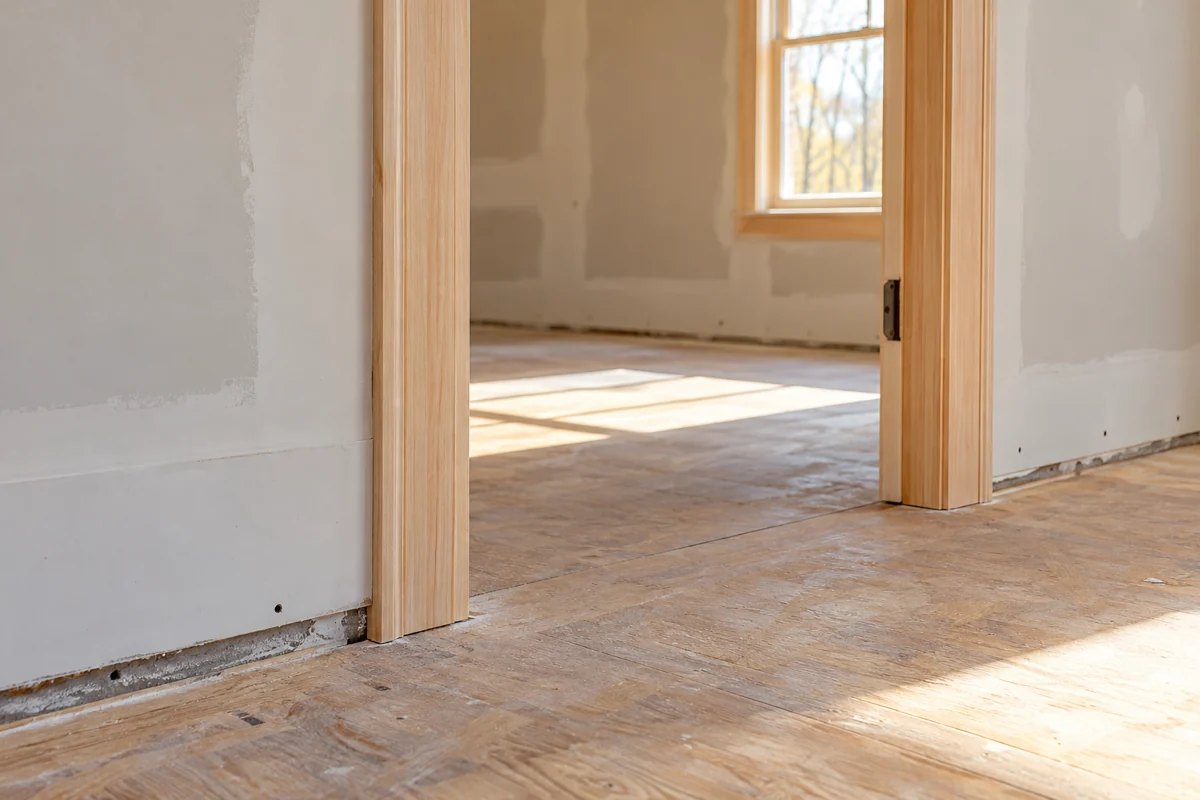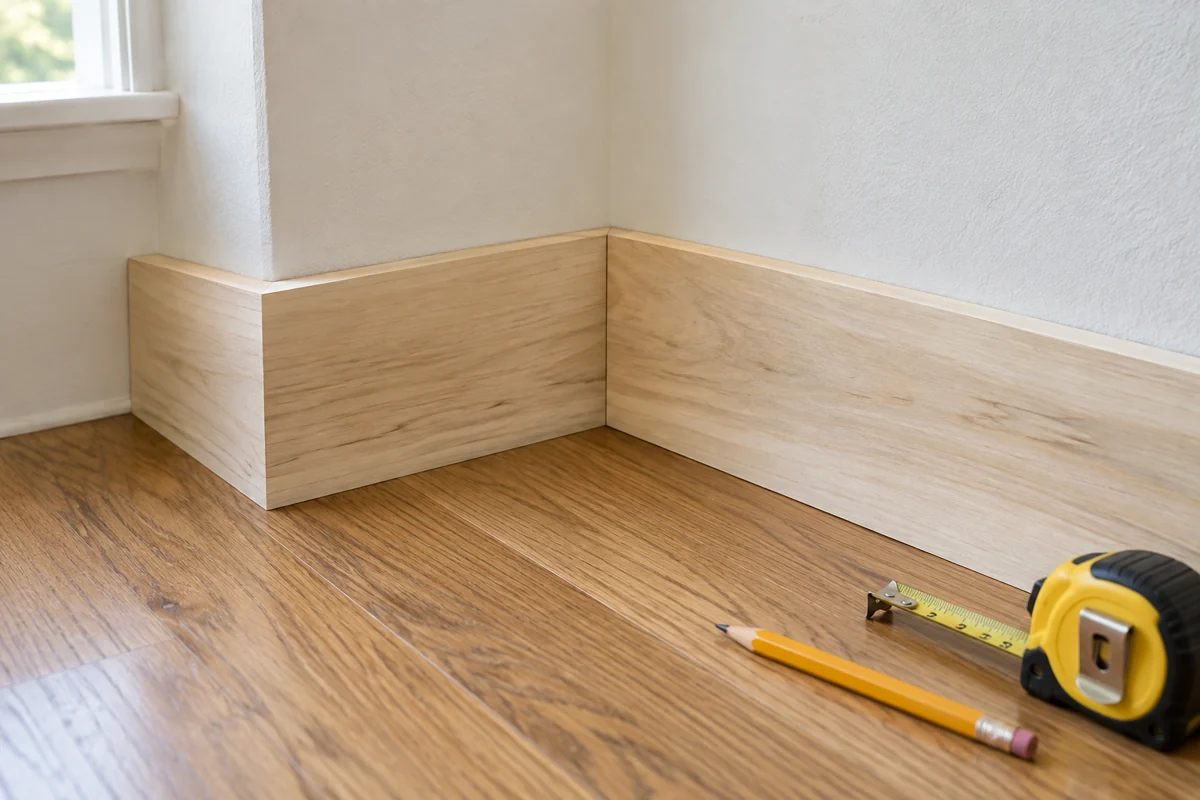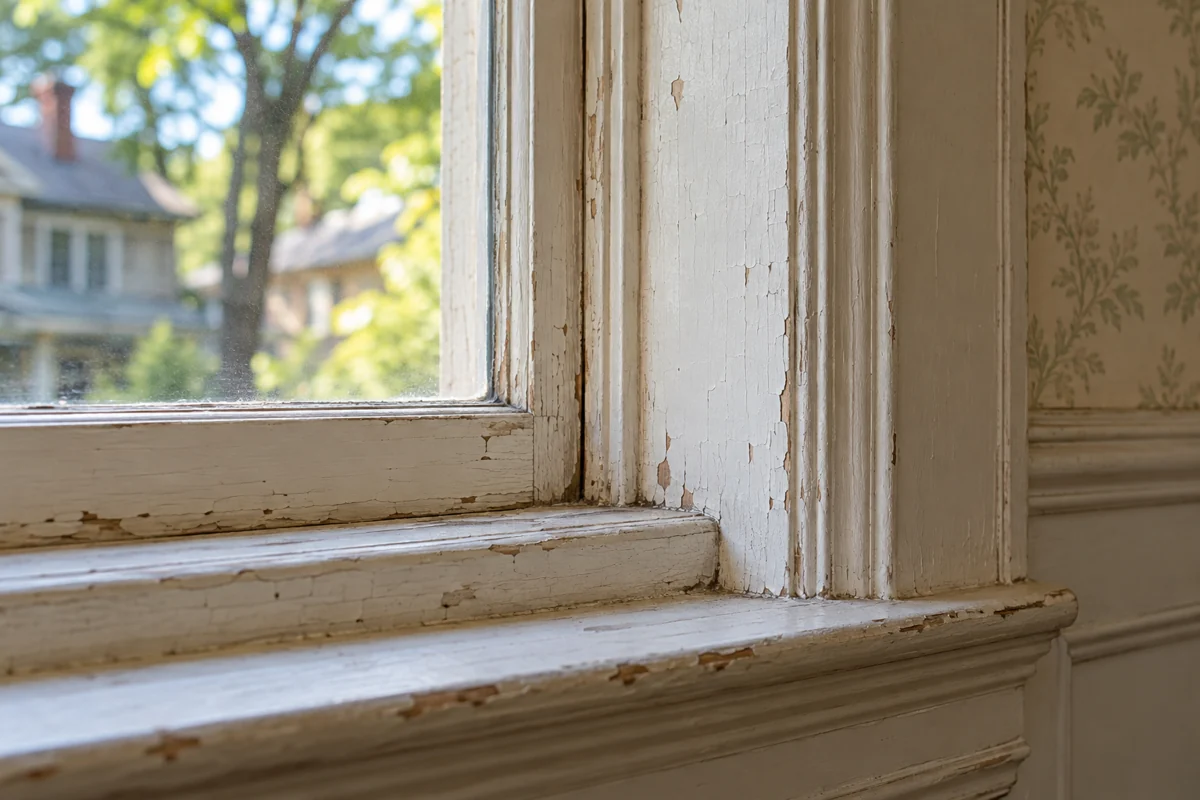
Old molding can hold many layers of paint, and the newest color does not describe what lies beneath it. In a home built before 1978, lead-based paint may be present. When the age or coating history is unknown, that uncertainty should be resolved before the surface is disturbed.
A trim project can release dust through sanding, scraping, drilling, cutting or removal. The risk is not limited to stripping an entire room. Work around windows and doors may also disturb surfaces that experience friction or contain accumulated debris.
Do not use appearance as a test
Lead paint cannot be reliably identified by its color, gloss or cracking pattern. A smooth intact topcoat does not prove that older layers are lead-free. Nor does a statement that a room was repainted recently establish what remained underneath.
The EPA recommends qualified lead assessment and lead-safe certified contractors for relevant renovation work in older homes. Consult its current guidance and a suitable professional about testing and the work planned. A casual do-it-yourself test should not be treated as blanket clearance for every coating and surface in the project.
Until the situation is established, leave the coating undisturbed. Do not sand a small patch to see the wood, scrape the edge to identify the profile, or remove a piece simply to bring it to the store. Those preliminary actions can be part of the exposure the assessment is meant to prevent.
Include the surrounding room
The trim face is not the only material affected. Removal can disturb the painted wall joint, the back of the piece and nearby finishes. Windows may have several interacting components, and a damaged area can extend beyond the visibly peeling spot.
Tell the assessor or contractor what you intend to do: repaint intact trim, remove baseboard for flooring, replace a window casing or salvage a profile. The scope affects the appropriate process. A generic request to “check the paint” can leave important work assumptions unstated.
Household conditions matter too. Children, pregnant people and others using the space need protection from exposure. Keep occupants and pets away from an area where suspect paint has been damaged, and obtain appropriate advice for cleanup rather than using ordinary sweeping or a household vacuum.
Choose the renovation after the assessment
If the trim is sound, a less disruptive treatment may be possible under appropriate guidance. If it is damaged or must be removed, the work needs the correct containment, methods and verification. Do not improvise these from a short decorating article; use current EPA guidance and qualified help.
For example, replacing flooring may appear to require only removing a narrow baseboard. Yet that operation can disturb old paint at every wall edge. Identifying the issue before scheduling allows the flooring and trim work to be coordinated with the safe process, instead of stopping after pieces have already been pried loose.
Keep documentation of testing, professional work and any remaining lead-containing components with the house records. Future owners or contractors need to know what was assessed and what was not. A repaint should not erase that information.
This precaution does not mean that every old molding must be discarded. It means that preservation, repair and replacement begin with knowledge of the coating. The decorative choice can wait until the work can be planned without turning a small visual improvement into a preventable exposure.