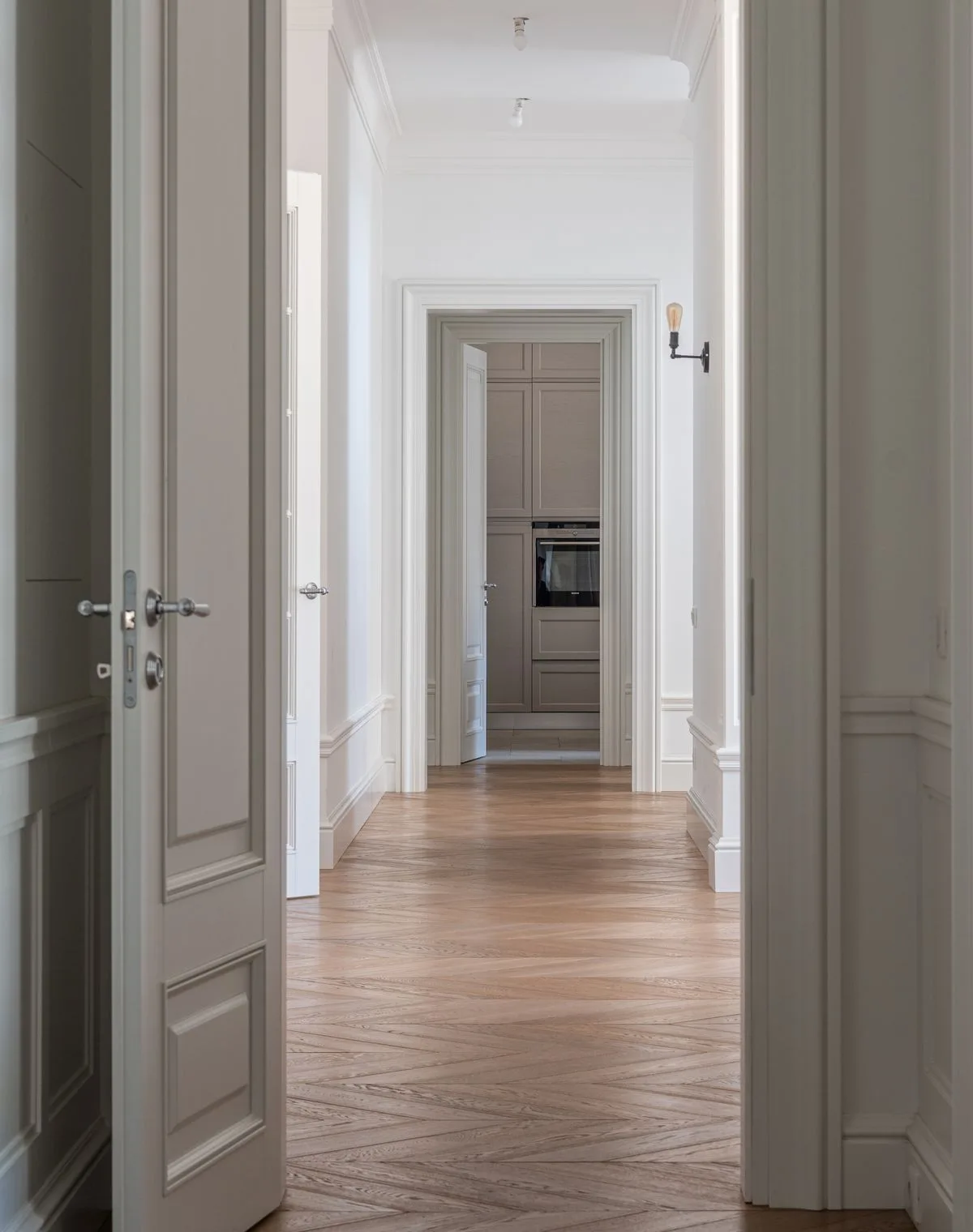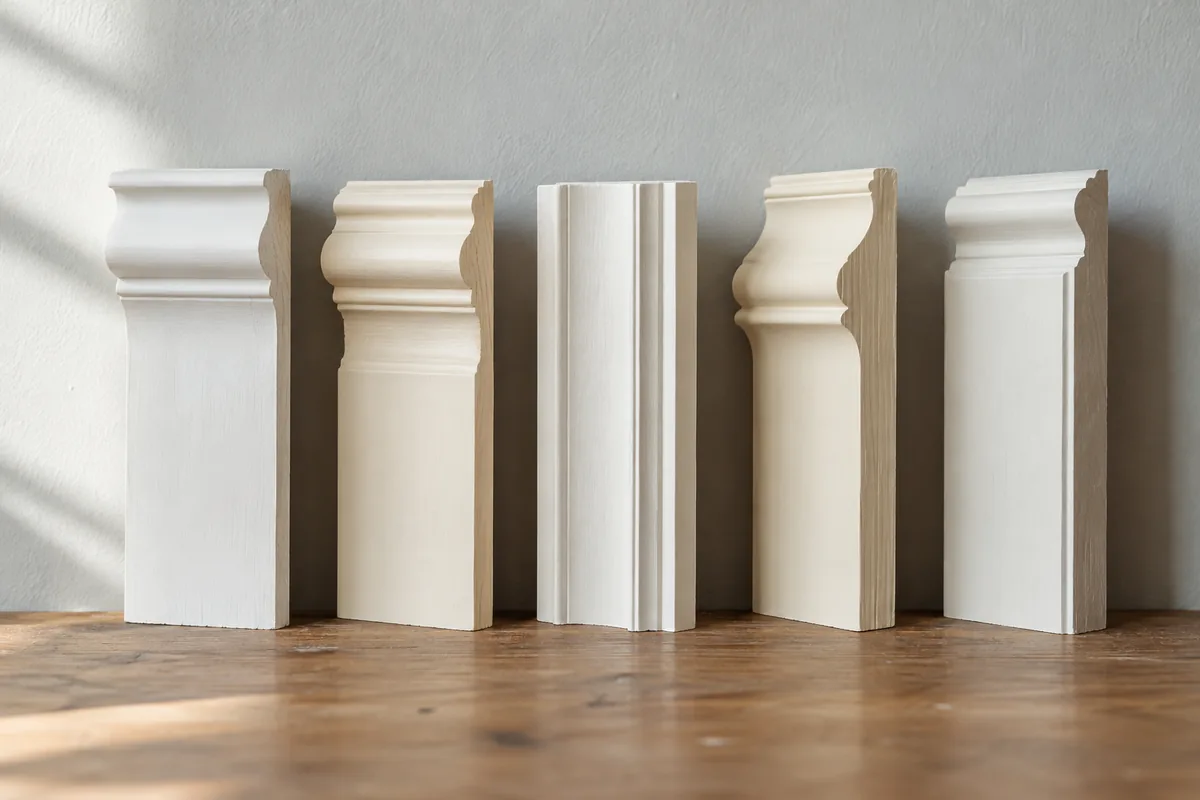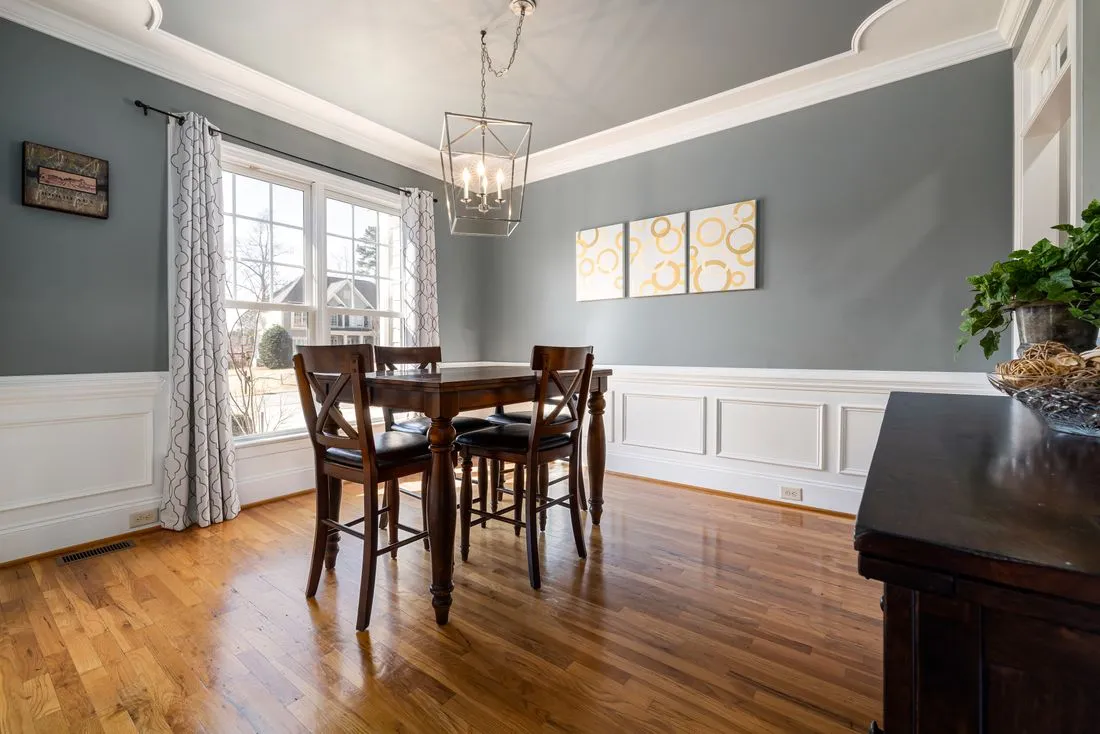
Some trim is mostly flat surface; some is a sequence of beads, coves and narrow ledges. A mini roller is more useful on the first kind than the second. Choose it for the area it can contact properly, not as an automatic replacement for a brush.
A broad square baseboard or flat casing can offer enough room for controlled rolling. A small curved profile may receive paint unevenly, with excess gathering at the edges while recesses remain thin. Try the actual molding before deciding how to paint the entire room.
The cover is part of the finish
Roller material and nap should suit the coating and desired surface. A cover that works well on a textured wall can leave an unsuitable pattern on smooth trim. Follow the paint manufacturer's recommendations and inspect a dried sample under side light.
Do not assume a foam cover always produces the smoothest result. Different coatings and covers behave differently, and bubbles or texture may come from the combination or application. Test rather than relying on the cover's appearance alone.
Coordinate the brush work
Edges, ends and details often still need brushing. Plan the sequence so that the coating can be worked within its useful open time. Repeatedly going back over a partially drying section can leave more marks than the roller initially produced.
Some systems benefit from a particular finishing technique; follow the coating guidance rather than adding an improvised final pass. Maintain the specified film application and avoid overloading the roller to finish a long run more quickly.
Protect adjacent surfaces without letting masking materials interfere with the wet edge. Confirm that tape is suitable for the underlying finish and the time since it was painted. Fresh coatings can be vulnerable even when they feel dry.
Keep the roller clean and inspect it for debris during the job. A single hardened particle can produce a repeating mark along a broad face. Work in an area separated from cutting and sanding dust.
For a small room with elaborate trim, a suitable brush may be simpler than managing a roller that only reaches a few flat inches. For a run of wide flat boards, the roller may reduce repetitive brushing. Let the profile and the tested finish decide, and judge the result after it dries in the room's light rather than by how quickly the wet paint went on.