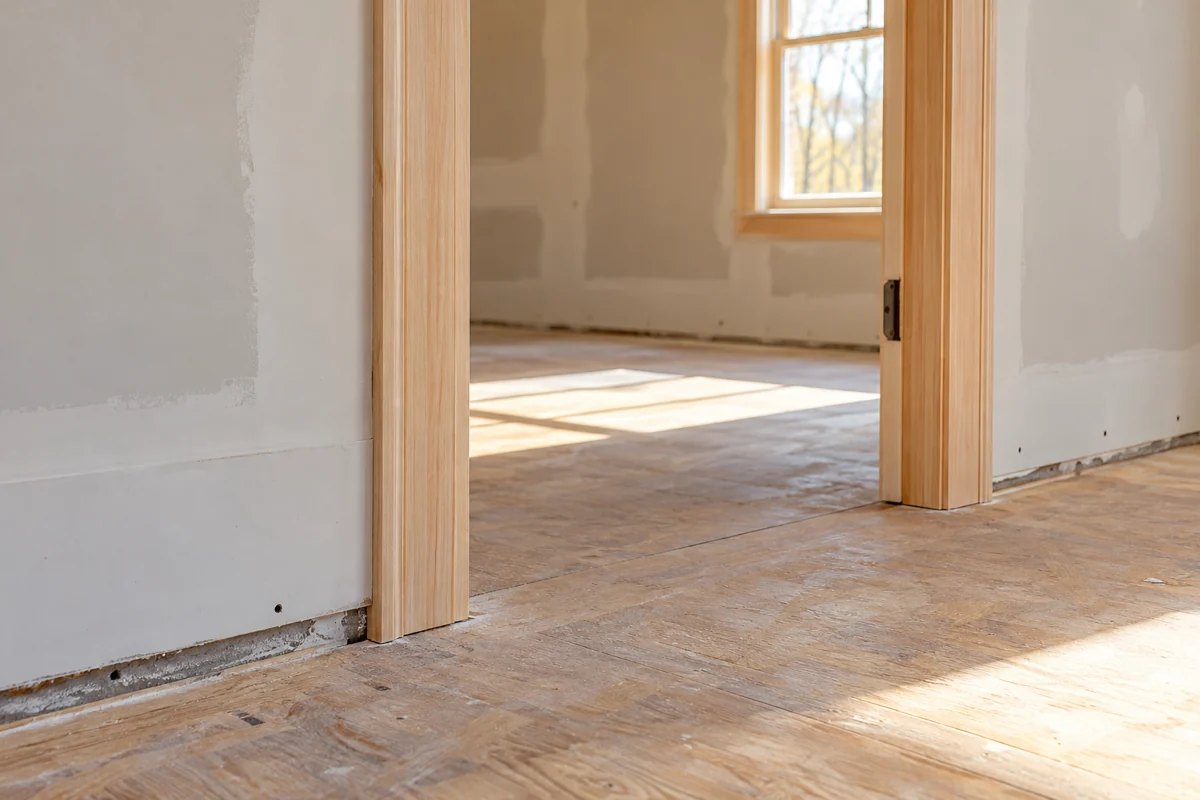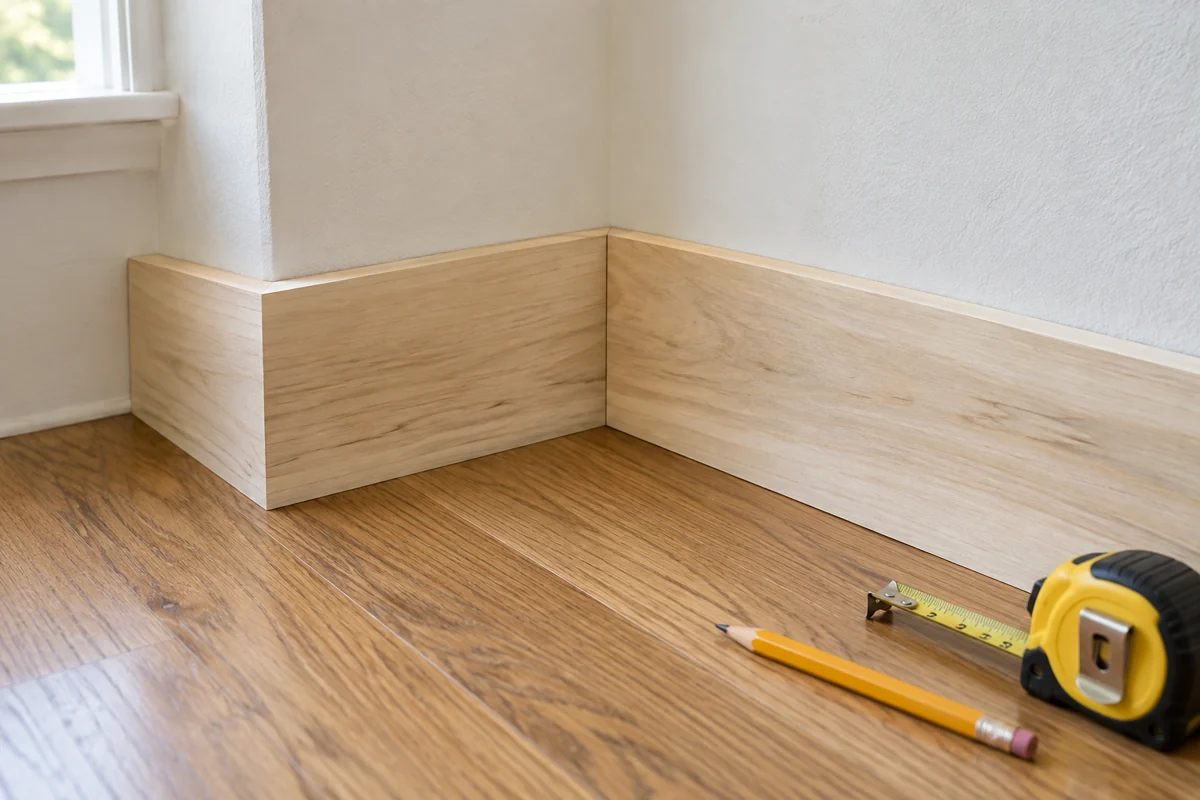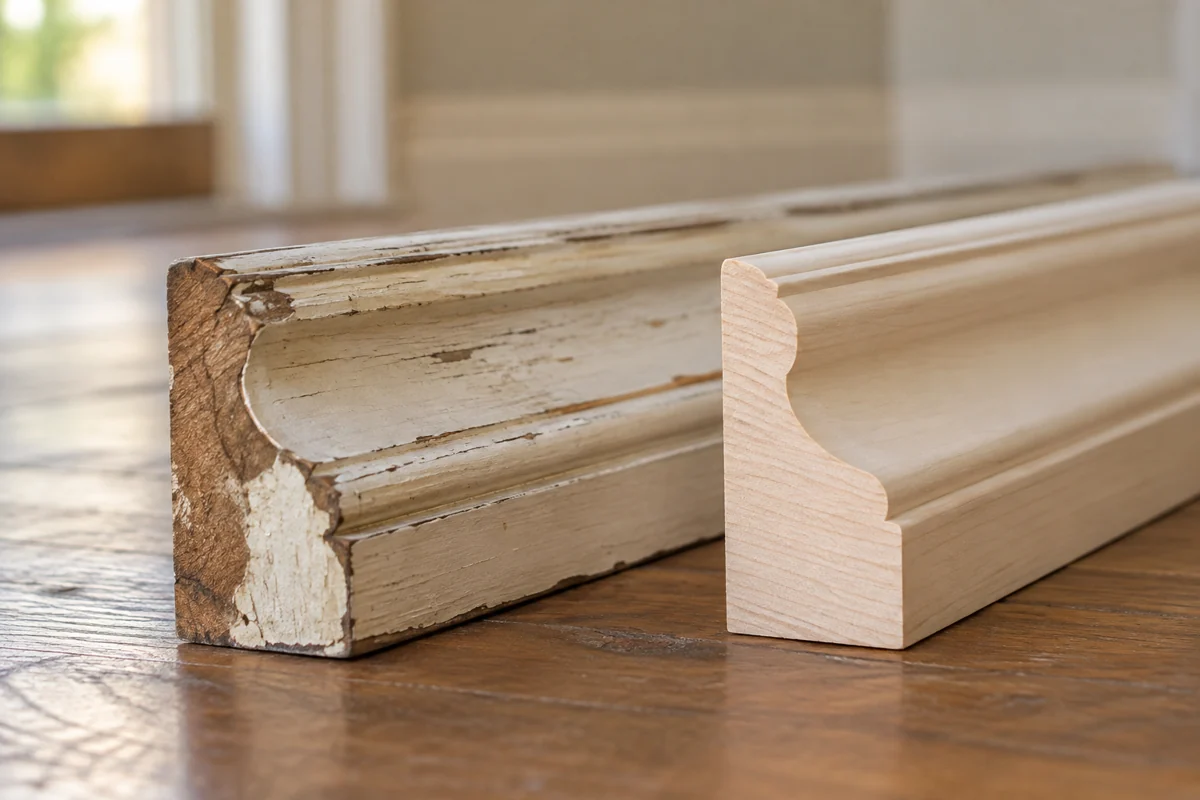
A replacement molding can look close on a store shelf and become obviously different when joined to the old piece. A bead may sit slightly higher, the face may project farther, or the overall height may differ. The problem is most visible at a direct end-to-end meeting.
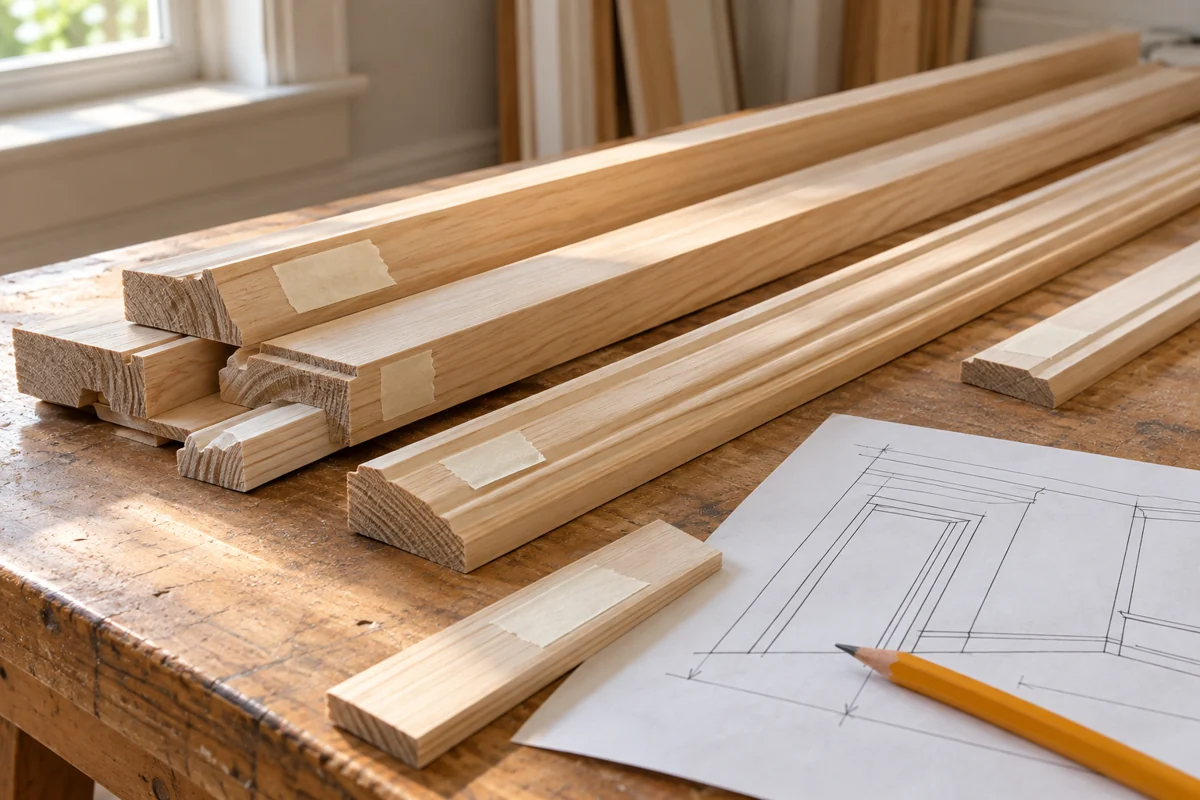
Start with an accurate record of the existing cross-section. Use an accessible spare or a piece removed through an appropriate safe process. A photograph with a scale, measured dimensions and a tracing can help a supplier, but an actual sample is often more informative.
Search by shape, not only by name
Profile names are not universal dimensions. Ask about the manufacturer or millwork range if that information survives, and compare the actual drawing of a proposed replacement. Measure the parts that meet neighboring trim, not merely the maximum height and thickness.
A paint buildup can soften the old shape, so distinguish the intended profile from accumulated finish where that can be done safely. Do not strip uncertain old paint simply to obtain a cleaner sample; arrange lead assessment and appropriate handling first.
A millwork shop may be able to reproduce a profile or suggest a close stock option. Ask about setup costs, minimum quantities, material and lead time. A custom match can be worthwhile for one prominent historic opening, while a bounded redesign may be more sensible for a larger room with several damaged runs.
Choose where the change happens
If an exact match is impossible, avoid placing a near-match in the middle of a long visible run. Replacing a complete wall section, doorway set or other naturally bounded area can make the difference look intentional. The boundary should be part of the design rather than hidden behind furniture that may move later.
Compare finish as well as shape. New wood may absorb stain differently from aged wood, and a nominally identical white paint can have a different sheen. Prepare a sample with the full finish system before committing to a prominent repair.
Do not modify a thin or manufactured profile beyond its approved limits just to imitate another contour. A fragile approximation can be less satisfactory than a clearly planned replacement detail.
Order and store a modest amount of suitable spare material when practical. Label it with the supplier, profile and finish. The effort spent identifying the replacement should not need to be repeated from memory during the next repair.
An exact copy is one possible success. Another is a coherent transition that respects the remaining room and avoids a conspicuous almost-match. Decide which outcome is realistic before the first new piece is cut.