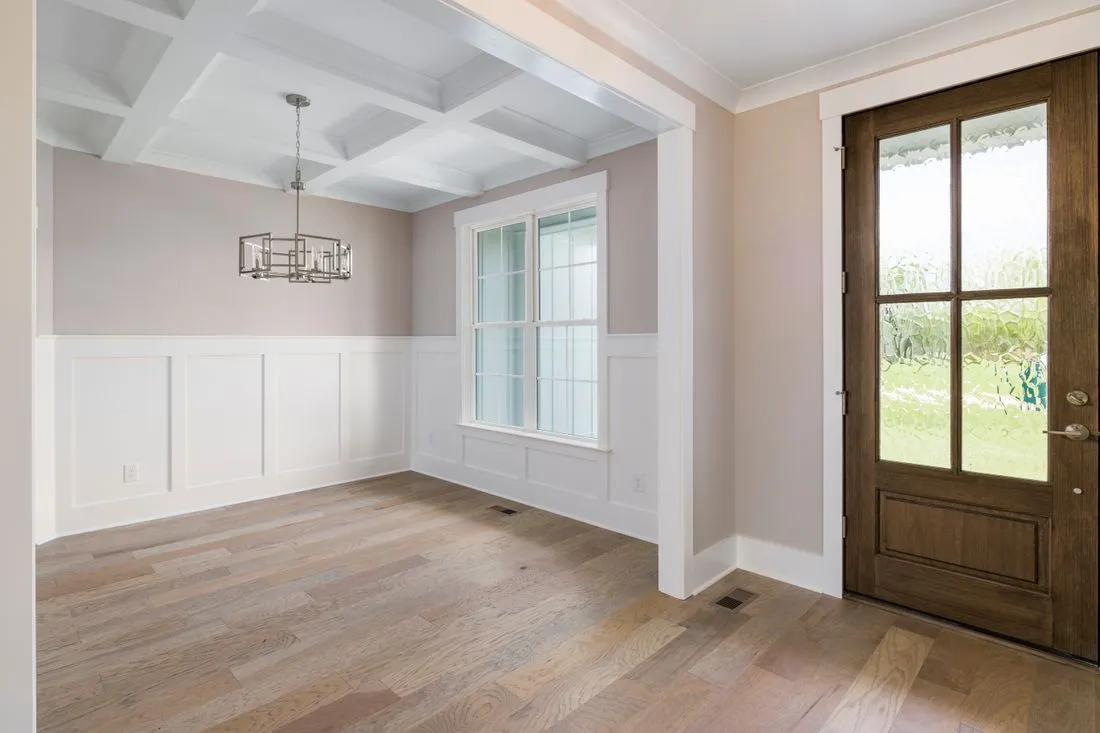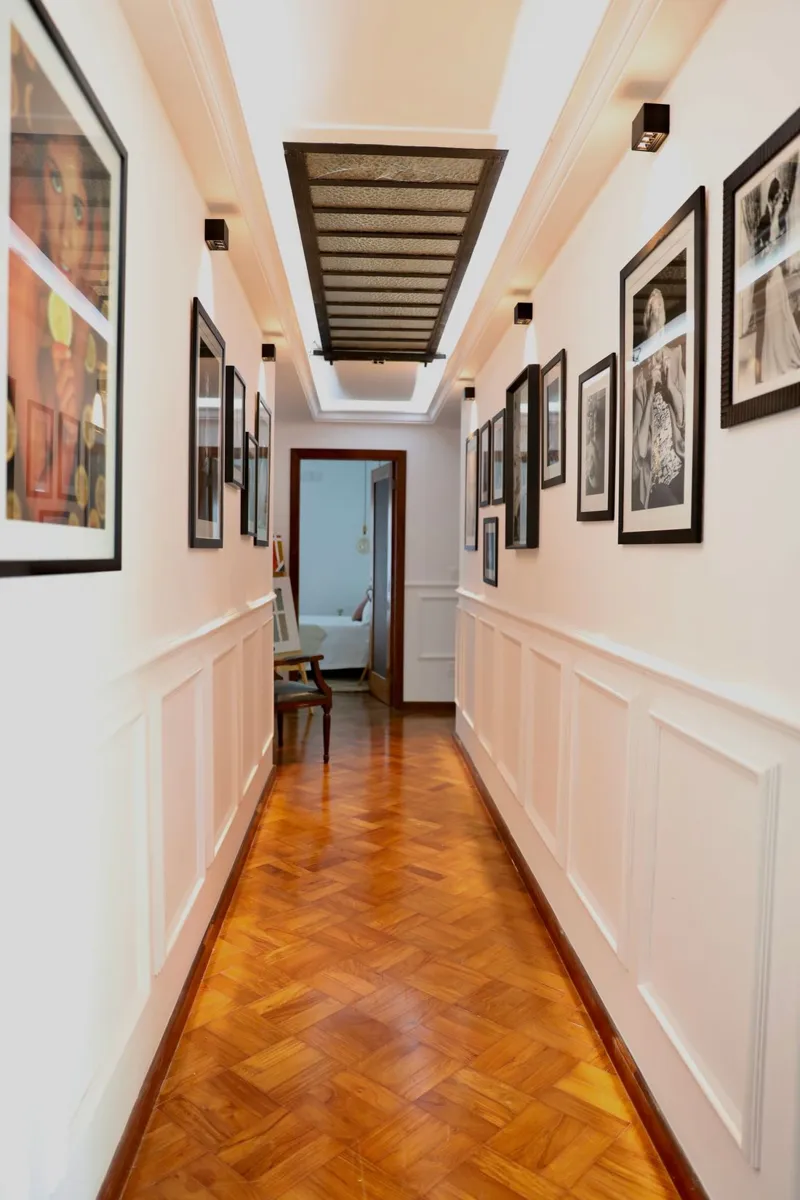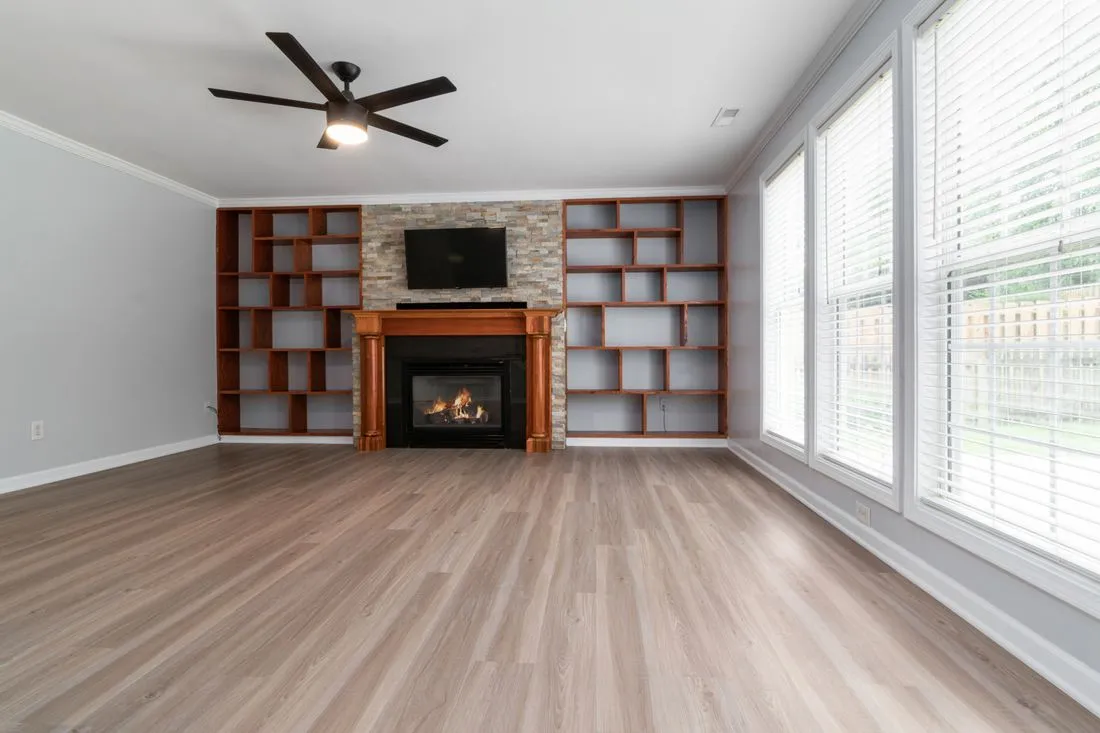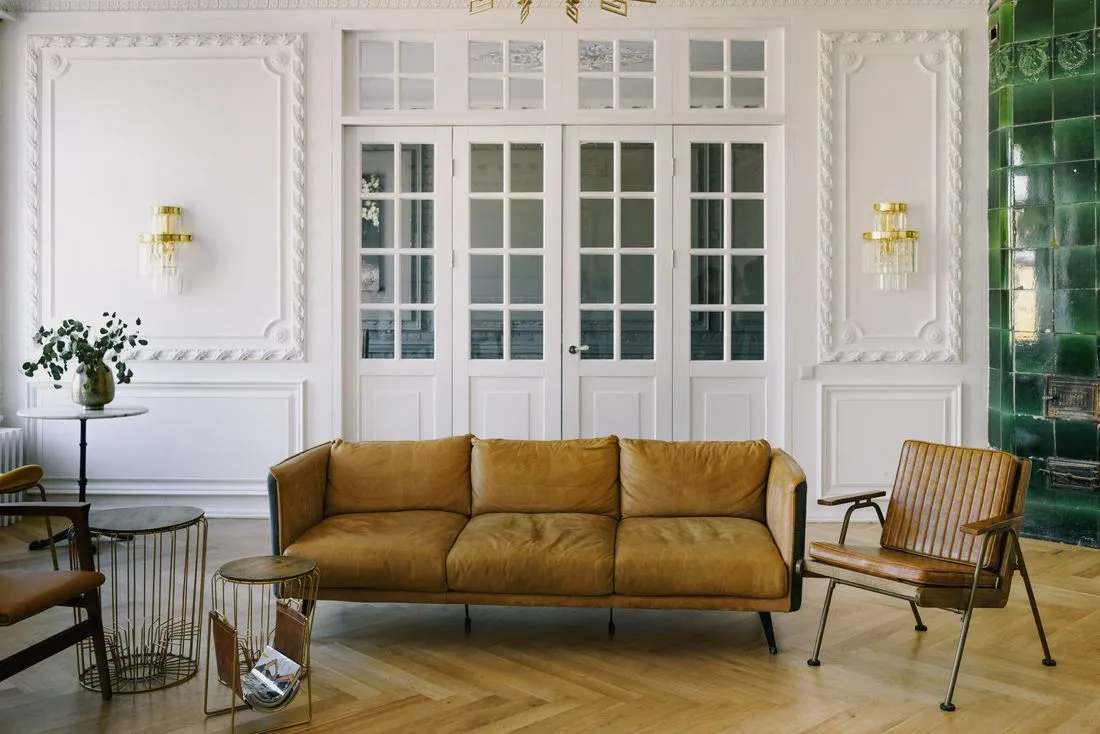
Original trim can make a room feel connected to the rest of a house even when the paint is tired. Replacing it may simplify some repairs, but it can also remove a profile that is difficult to match. The useful first question is not whether the woodwork looks old. It is what is actually wrong with it.
Distinguish finish problems from material problems
Record peeling paint, open seams, dents, missing sections and signs of moisture separately. They do not all call for the same response. A damaged coating may cover sound material; softened or persistently damp wood needs an investigation into the cause before decorative repairs are considered.
Old paint also changes the work involved. In US homes built before 1978, lead-based coatings may be present. Do not begin by dry-sanding a test patch or pulling trim away simply to see what is underneath. Review lead-safe guidance and obtain appropriate assessment or qualified help before disturbing uncertain coatings.
Look beyond the one damaged piece
Compare the room with adjoining spaces. Does the same casing continue through the doorway? Are window stools and baseboards part of a shared profile family? Replacing one section with an almost-matching modern piece may make the mismatch more visible than a careful local repair would have been.
If a section must be replaced, photograph the profile and measure its complete shape. A millwork supplier may be able to suggest a match or a deliberate alternative. Ask about the quantities and costs involved before assuming a custom reproduction is either impossible or economical.
Plan the wall around the decision
Removing a wider old casing can expose unfinished plaster or a paint ridge. A smaller replacement may leave that area visible. Conversely, increasing the depth can create new conflicts at hardware, cabinets or intersecting trim. Include the surrounding repair work in the comparison between retention and replacement.
For a house with historic protection or a lease, check the relevant requirements before altering original details. The permission needed depends on the property; visual similarity alone does not establish that a change is acceptable.
A room can combine retained trim with a few carefully chosen replacements. Mark which pieces stay, which need specialist assessment and which have a straightforward replacement plan. Keeping original material is most useful when it is a considered part of the finished design, rather than something left behind because the decision was postponed.