A trim job can look finished from the center of the room while several details remain unresolved. Before furniture returns, walk the space in a consistent order and record specific corrections. “Touch up trim” is too vague to guide the final work; “north doorway, outside edge, visible primer” is useful.
Use the room's normal daylight and artificial lighting, then examine prominent runs with light falling along them. Do not judge only under an unusually harsh temporary light, but do not ignore defects that appear every afternoon beside a window either.
Begin with fit and function
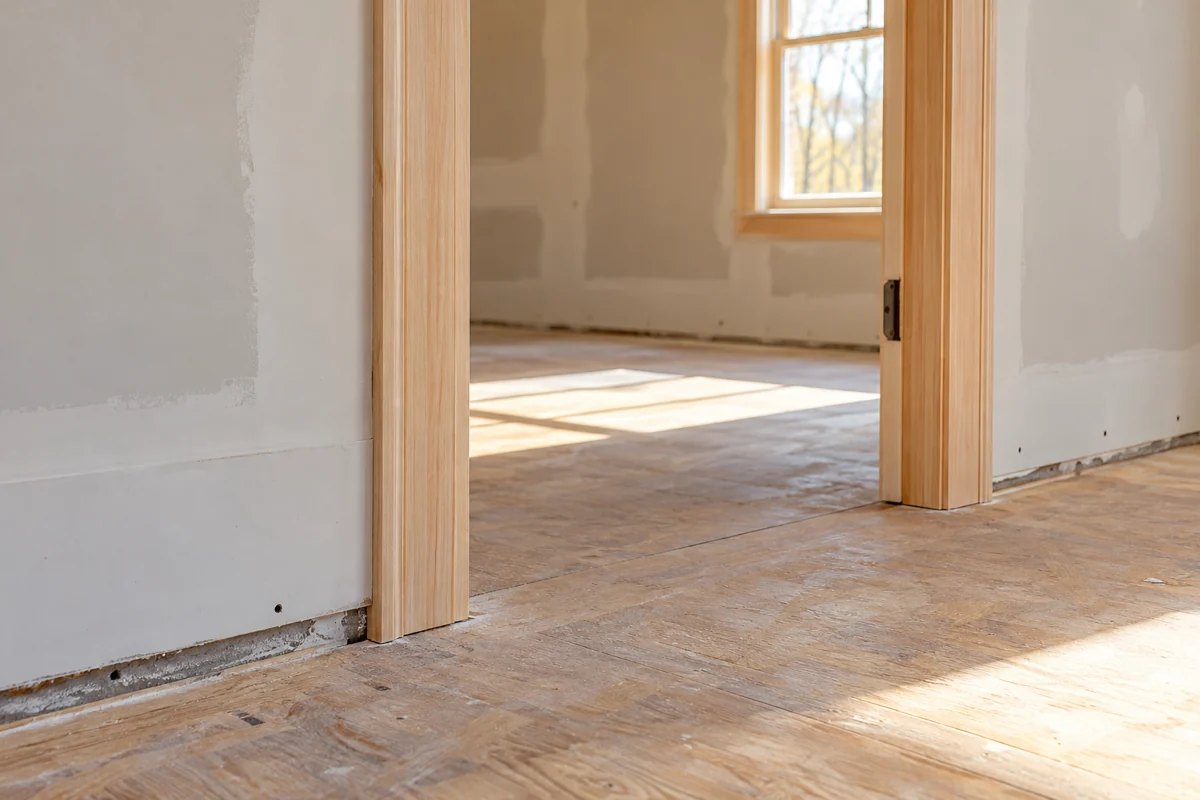
Check that doors and windows operate as intended and that trim does not crowd hinges, hardware or removable covers. Confirm that access points remain accessible. Look at floor transitions and ensure the trim has not compromised the flooring system's required movement detail.
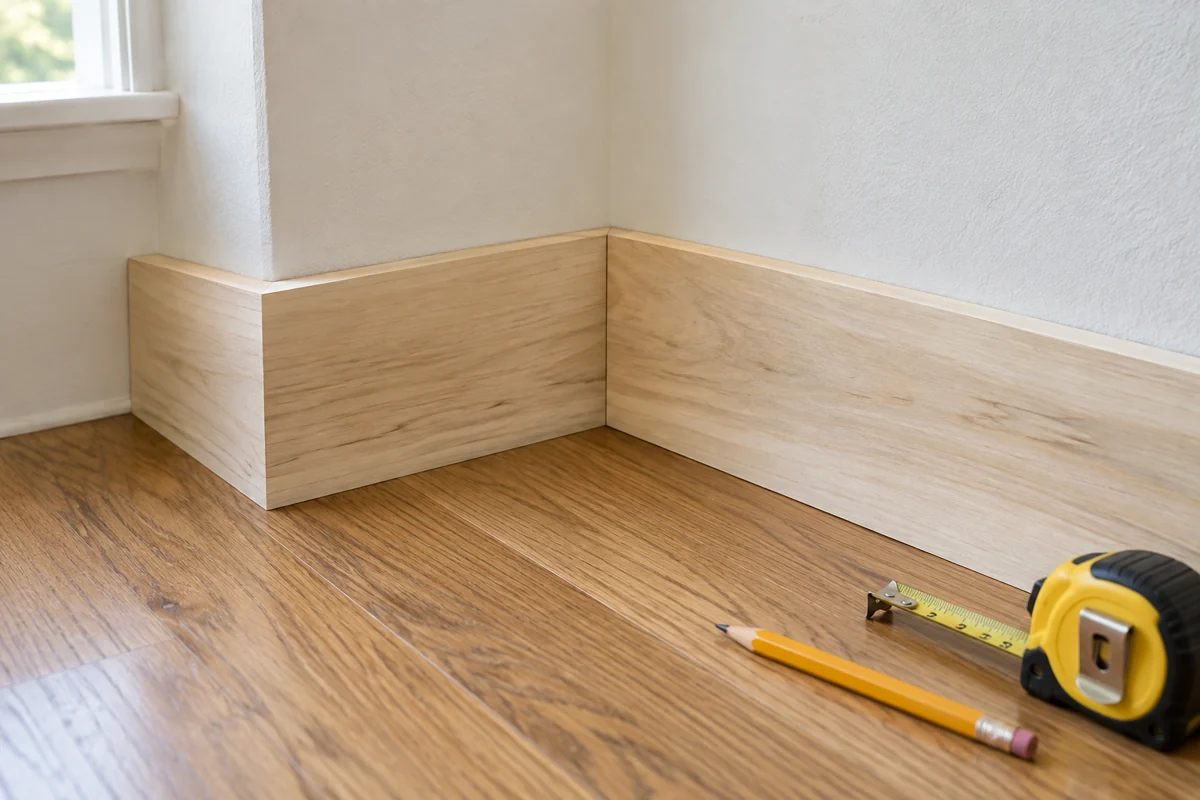
Inspect corner joints, exposed ends and the meetings between baseboard and casing. Look for a change in projection, an unfinished return or a piece sitting proud. Cosmetic coating should not be the first response to a loose or poorly fitted component.
Then check the finish
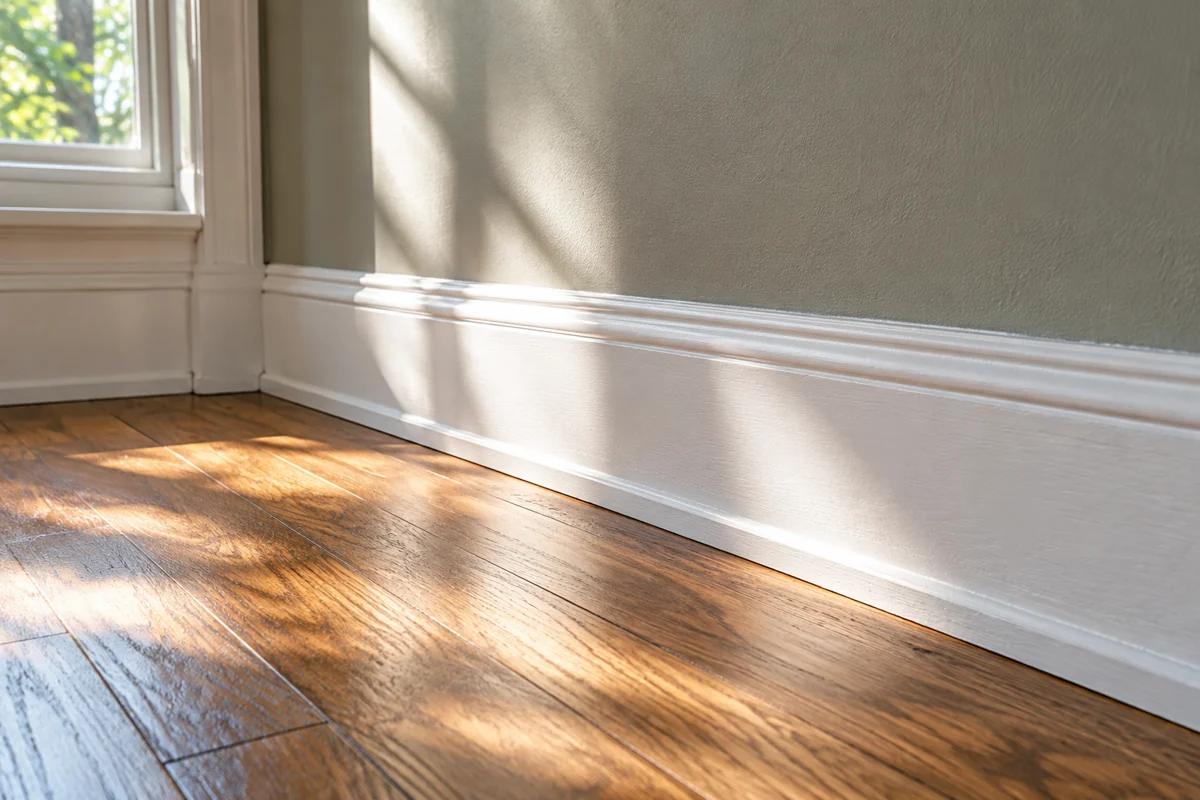
Scan for nail-hole depressions, raised filler, cracked seams, drips and thin coverage in recesses. Compare sheen across repaired areas. A touch-up may be the correct color but still catch the light differently.
Mark the location in your notes rather than placing untested tape on a fresh finish. Paint can be dry to touch before it is ready for adhesive contact or cleaning. Follow the coating instructions when checking or protecting the surface.
Separate genuine incomplete work from a characteristic of the selected material. Visible oak grain beneath a clear finish is different from a sanding scratch. A deliberately open joint in a specified system is different from an accidental gap. The agreed sample and product instructions help resolve those distinctions.
Close the record
Photograph each item that needs correction and review the list with the person doing the work. After repairs, revisit the same locations instead of assuming that a completed work note proves the visual result.
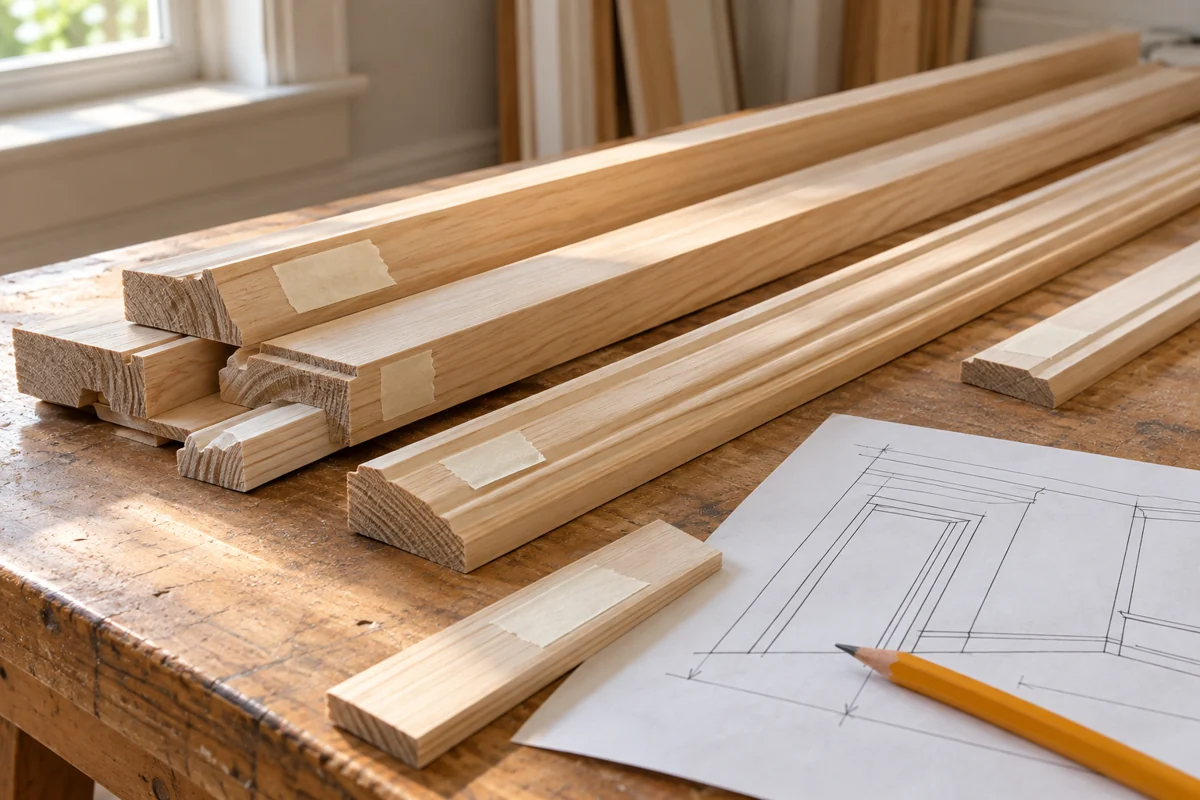
Collect the profile numbers, material information, paint color and sheen, and any special adhesive or repair products used. Store a small labeled sample or spare where practical. Ask about the coating's remaining cure period before placing furniture against it or starting a cleaning routine.
A punch list is most effective when it is short, concrete and completed while the room is still accessible. It turns the last stage into a controlled inspection rather than a series of discoveries after everything has been moved back.