Window casing, curtain brackets, and shade hardware occupy the same small area of wall. Planning them separately can leave a bracket partly on a molding, a curtain caught on a ledge, or a shade with too little room to operate. A trim sample and the covering manufacturer's dimensions make the overlap easier to see.
Start by deciding whether the covering mounts inside the window recess or outside it. An inside-mounted shade needs the specified usable depth and clearances. A decorative casing does not create that depth, and a window handle may reduce it. Use the actual product requirements rather than a general assumption about what fits.
For an outside-mounted treatment, draw the complete coverage area. Include the bracket footprint, projection, and the space needed for the fabric or mechanism. The casing's outer edge is only one reference point.
Give the hardware a sound place to land
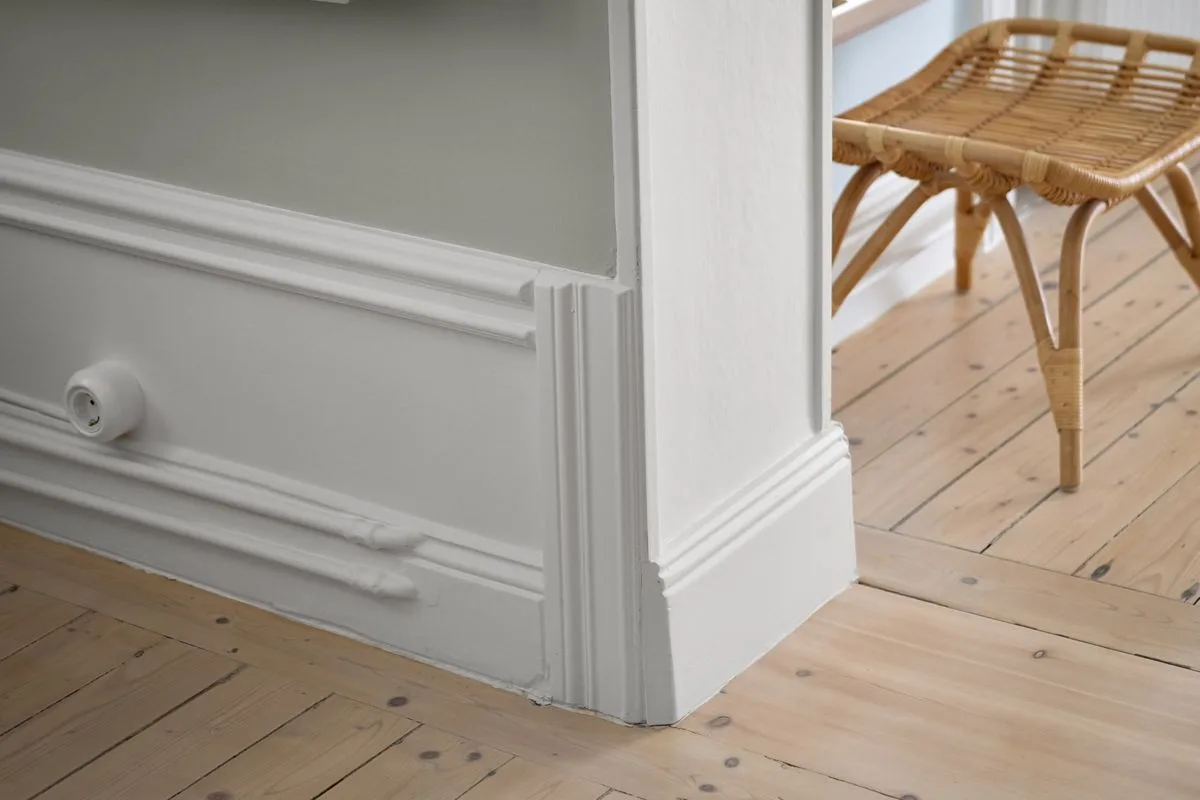
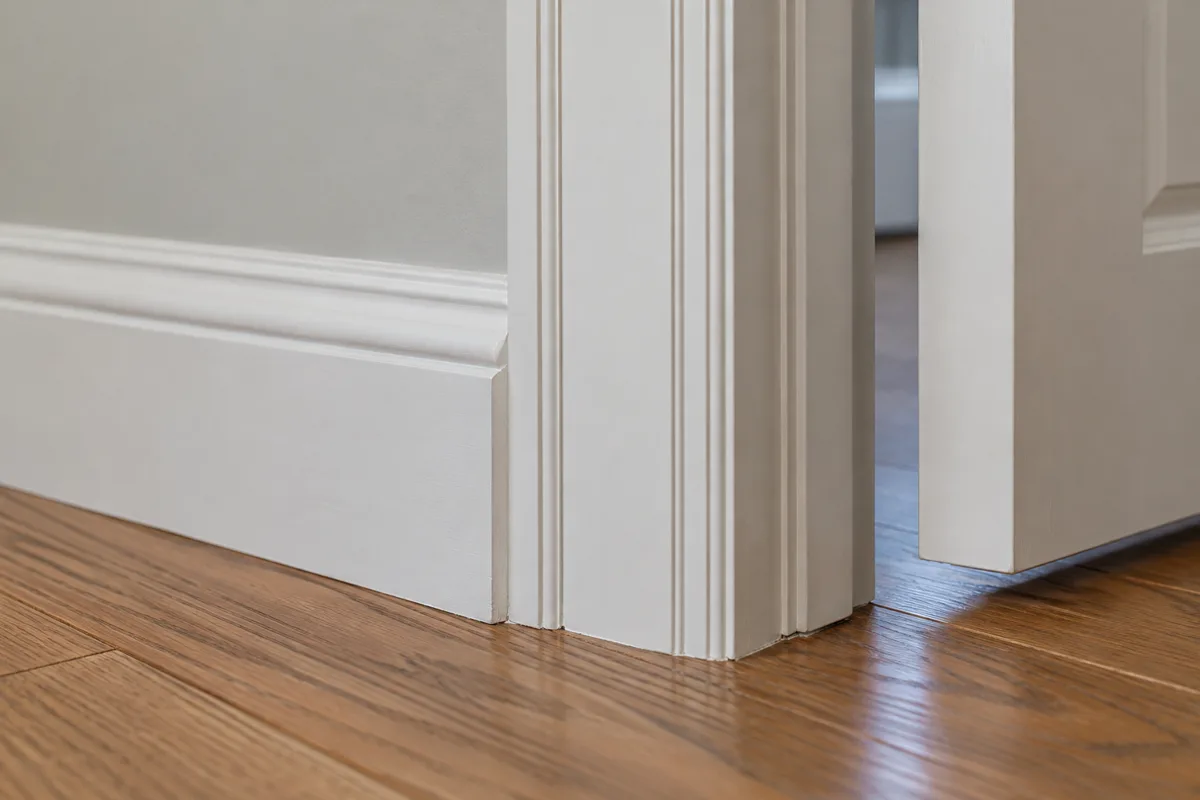
A bracket should not straddle two uneven surfaces unless its mounting system is designed for that arrangement. Deeply shaped trim may not provide a suitable flat face. Appropriate backing and fixing need to be planned for the load; decorative molding alone should not be assumed to supply adequate support.
The head casing may compete with the rod position. If a built-up header rises close to the ceiling, there may be little room for a bracket above it. Test both elements on the same elevation before committing to the more elaborate trim.
At the bottom, check the stool projection. Curtains intended to hang close to the wall can drape over a deep ledge and change shape. A shorter treatment may need enough clearance to move without rubbing along a rough or projecting edge.
Open the window, operate the shade, and pull the curtain fully aside during the mock-up. A pleasing closed view is not enough if the room cannot be ventilated or the covering cannot stack where intended.
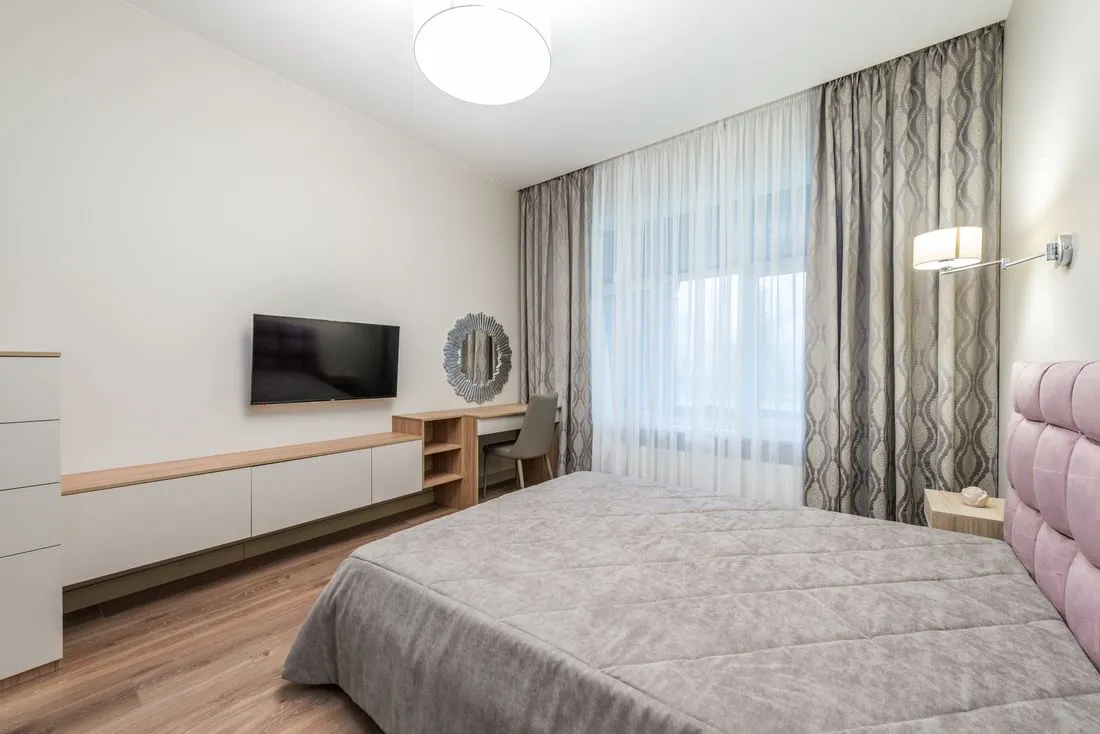
Color and material can then be considered together. A busy casing profile behind patterned fabric may contribute little except extra shadows. Conversely, a plain shade can leave the window trim fully exposed, making its proportions more important.
Write down the mounting decision with the trim dimensions. This keeps a later curtain purchase from undoing a carefully planned surround and avoids extra holes made in the hope that another bracket position will finally clear the molding.