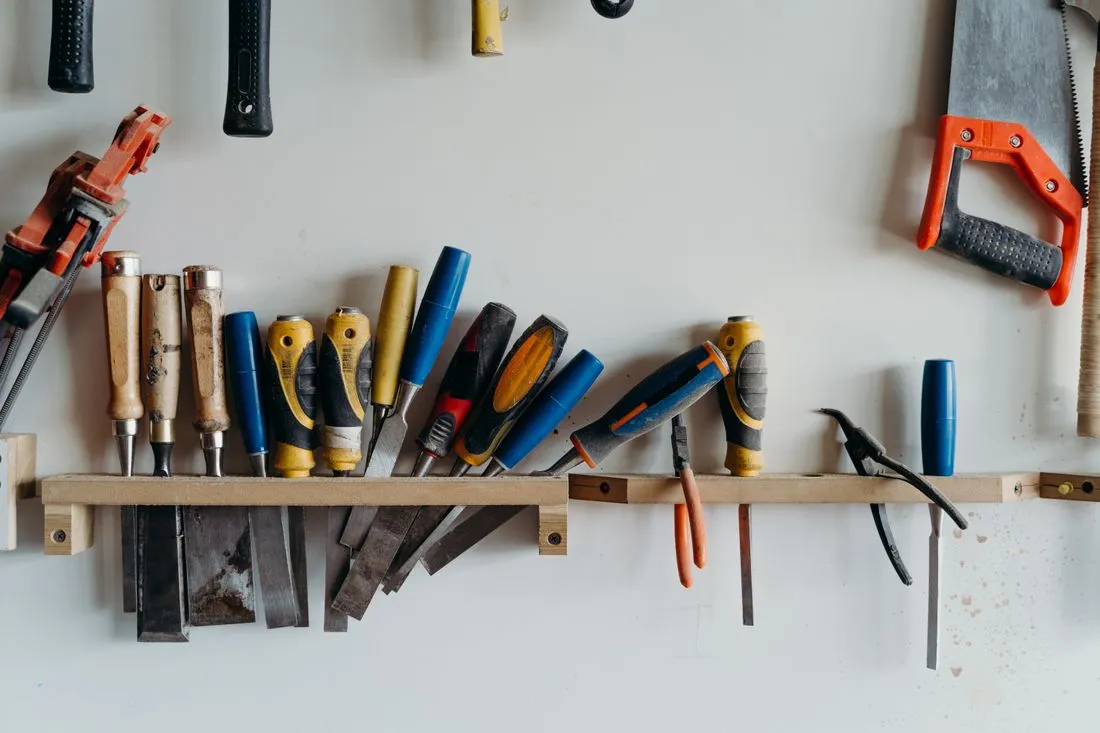
A coping saw is associated with inside trim corners because it can remove material around a profile rather than only make a straight angled cut. In a coped joint, one molding end follows the visible shape of the adjoining piece. The aim is a close meeting at the face, not two flat cut surfaces pressed together.
That distinction helps explain why coping can be useful in some wood molding installations. It also explains why the method is not automatically suitable for every material, profile or manufactured system. Delicate shapes and synthetic products may have different recommended joint details.
Read the profile first
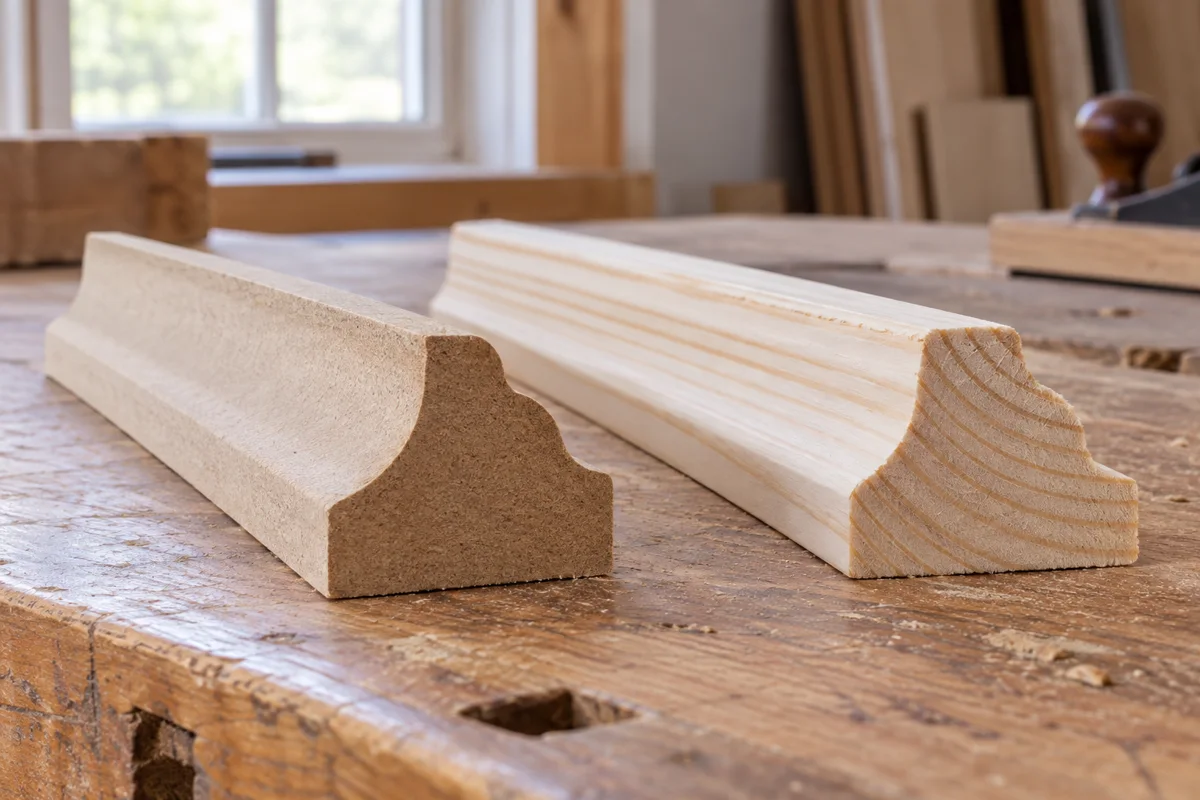
Look at a short cross-section. A simple curve is easier to understand than a series of narrow beads and deep recesses. Decide whether there is enough sound material to form the required edge without leaving a fragile projection. If the material crumbles or the profile becomes too thin, the technique or product choice may need to change.
A coping saw is a shaping tool, not a remedy for an incorrectly measured run. The pieces still need to meet at the right location and sit against the wall as intended. A warped board or a lump behind the joint can prevent a carefully shaped end from fitting.
Practice belongs on scrap, with the work held securely and the tool used according to its instructions. Keep the task separate from the installed wall so that the exercise does not become an excuse to cut near concealed services or damage adjacent finishes.
Know when to choose another joint
A manufacturer may specify a mitered, glued or proprietary connection. Prefinished products can also make a different joint more practical because exposed cut edges are difficult to touch up. In those cases, following a familiar wood-trim habit may make the result worse.
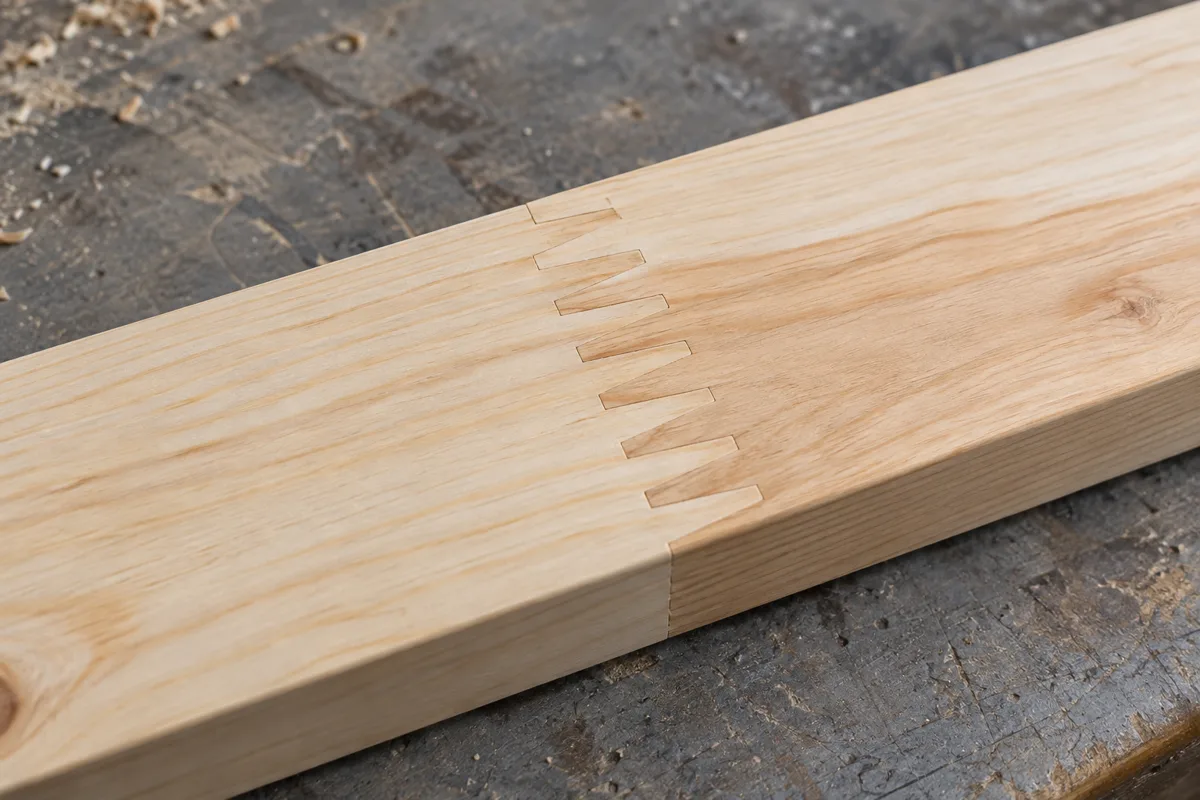
At an outside corner, the geometry and appearance are different; an inside-corner coping method is not a universal corner solution. Identify the joint you are making before choosing the tool.
For someone hiring the work, the useful question is how the installer plans to handle the material and the actual corners. You do not need to demand one joint everywhere. Ask to see a sample that fits, stays aligned and leaves a finishable edge.
A good joint is usually quiet in the finished room. Understanding the coping saw's role helps you evaluate that detail without mistaking the presence of a particular tool for evidence that the whole installation method is correct.