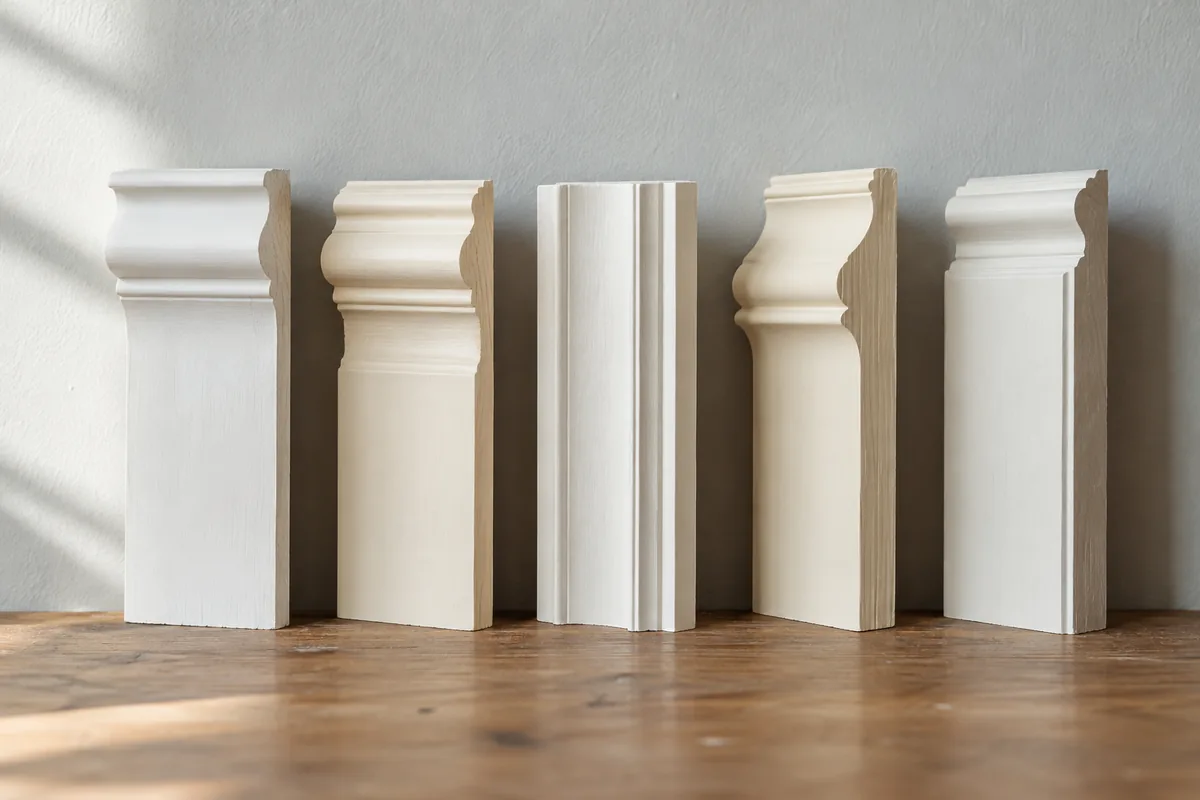
A brush that feels comfortable on a broad baseboard may be awkward inside a narrow casing detail. Start with the shape of the work rather than buying a brush simply because its package says trim. An angled sash brush and a flat brush can both be useful, but they guide paint differently.
An angled tip can help approach an edge while keeping part of the brush away from the adjacent surface. A flat shape can suit a wider uninterrupted face. Neither makes a clean line automatically; the brush size, coating and operator's control still matter.
Match the filament to the coating
Follow the paint or clear-finish manufacturer's brush recommendation. Synthetic and natural bristles are not interchangeable for every product. A brush selected for one oil-based coating may be a poor choice for a water-based finish, even if it performed well on the previous job.
Stiffness also changes the feel. A stiffer brush can help maintain an edge, while a softer one may leave a different surface texture. The useful choice depends on the coating's flow and the profile. Try the combination on an offcut instead of treating softness as a universal measure of quality.
Size for control and coverage
A very small brush can encourage repeated strokes over a broad face, leaving uneven application. A large brush can overload a narrow groove or make a tight junction harder to control. Choose a size that can carry enough paint while reaching the intended area without constant contact with its neighbors.
Handle length and shape matter in cramped positions. Check that you can use the brush comfortably without bracing against a wet surface. Repositioning the work or using an appropriate platform may be safer than stretching to reach a high molding.
Inspect the brush before starting. Loose or damaged filaments and dried paint near the base can affect the finish. Prepare, clean and store it according to the tool and coating instructions rather than leaving it standing on its bristles in a container.
A sample board can compare two brushes with the same paint under the same conditions. Look after the coating has settled, not only at the wet stroke. This separates a tool preference from a drying or preparation problem.
Once the combination works, keep it consistent through a visible run. Changing brush type midway can alter the surface texture enough to catch the light, even when the color and paint can remain the same.