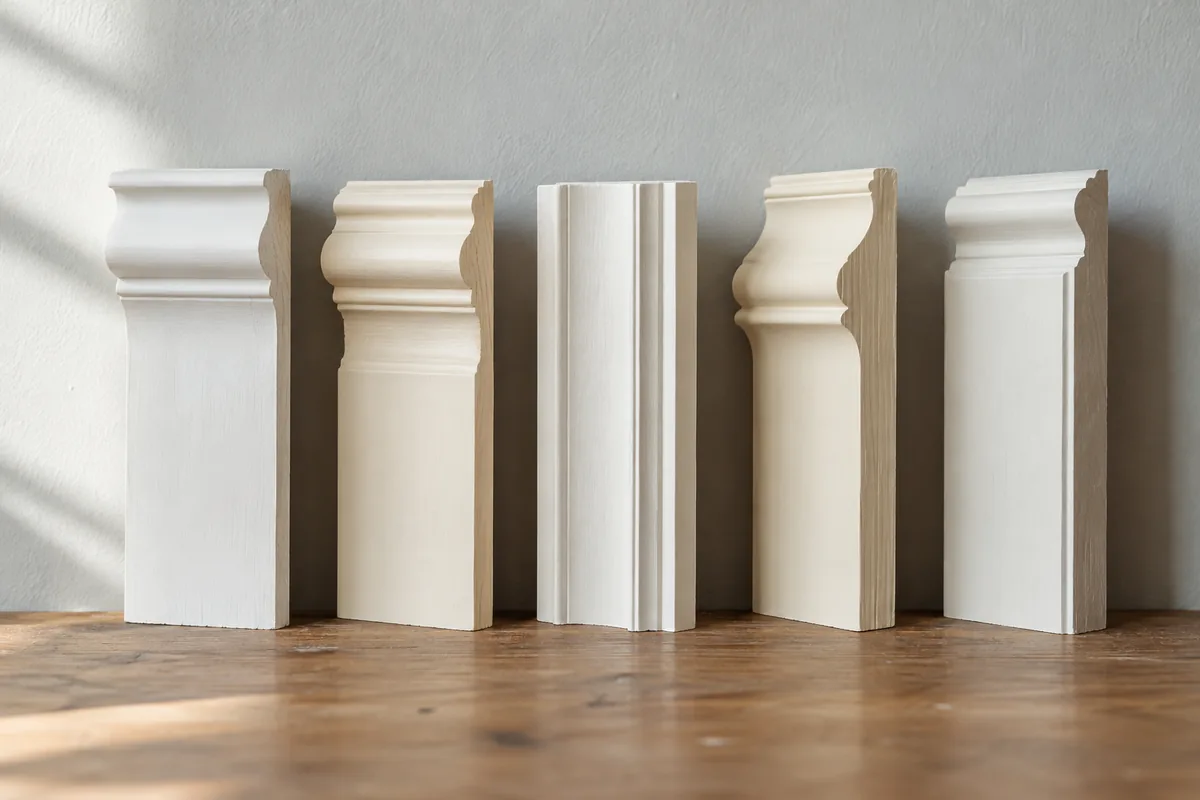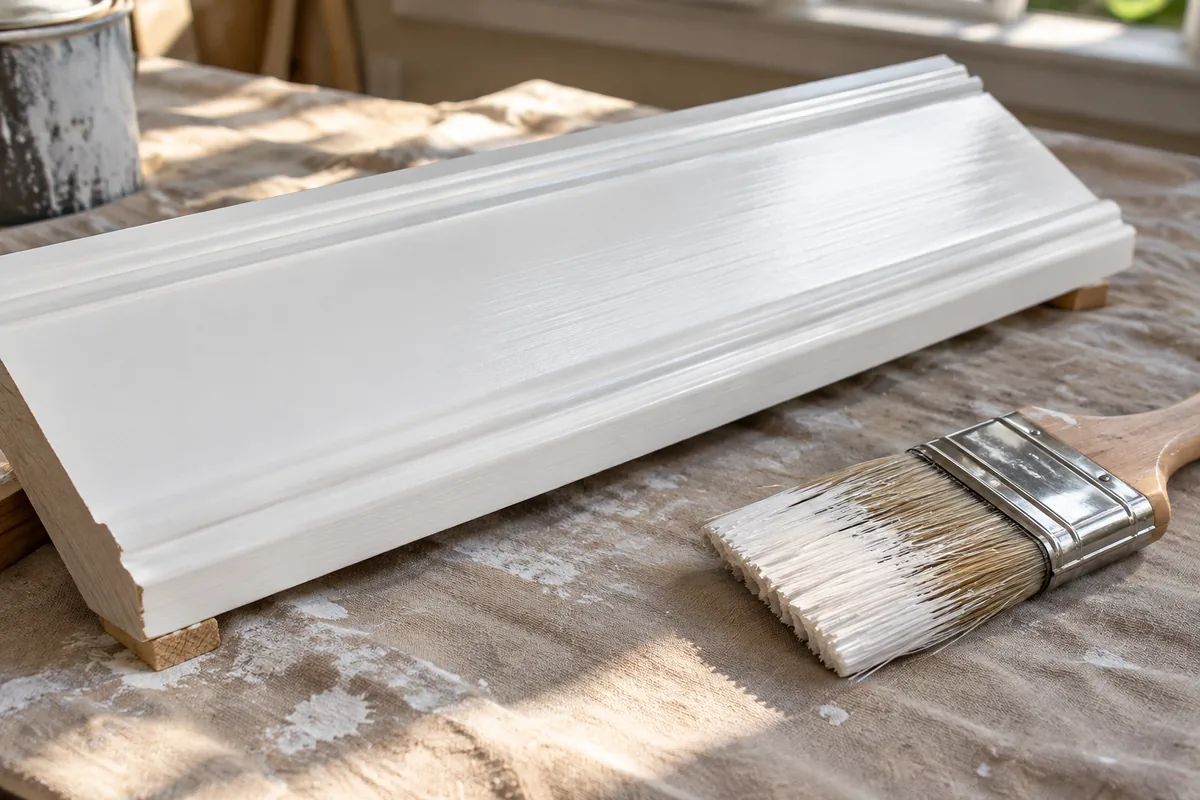
The urge to smooth a paint ridge immediately is understandable. If the coating has already begun to set, another pass can drag the surface and leave a more obvious mark. Before changing tools or adding a product, identify when the marks appear and what the paint instructions permit.
A wet stroke naturally has some texture. Certain coatings level as they settle; others retain more of the application pattern. Judge a properly applied sample after the specified drying period, not only while watching the brush leave the surface.
Check the starting surface
A rough primer, sanding scratches or a raised repair can look like brush marks after painting. Inspect the prepared trim under side light before the finish coat. If the texture is already there, changing the brush will not remove it.
Old or uncertain coatings need lead assessment before corrective sanding. Once safe preparation is established, preserve the profile and follow the coating system's requirements. Do not grind away a broad area simply because a narrow ridge is visible.
Match the tool and conditions
Use a brush recommended for the coating and sized for the surface. A brush that carries too little paint can lead to repeated dry passes, while overloading can create sagging and heavy ridges. Practice on a representative offcut to understand the combination without turning the installed trim into the test piece.
Room temperature, airflow and humidity can affect working time. Avoid painting outside the product's stated conditions or directing a strong draft across a wet section in an attempt to accelerate drying. A coating that starts setting unusually quickly needs a conditions check.
Do not add water, thinner or an extender unless the product instructions permit the specific addition and amount. Changing the formulation casually can affect film performance as well as appearance.
Work in manageable sections
Plan a route that allows a coherent wet edge and access to the profile. Pause at logical boundaries rather than halfway along a prominent face when possible. Keep the clean finishing area separate from dusty preparation work.
If a section has dried with unacceptable texture, let it reach the appropriate stage before repairing it under the coating guidance. Trying to correct a partly set film can make the surface harder to restore.
The most useful test changes one thing at a time: surface preparation, brush or application conditions. If everything changes together, a better result does not tell you what solved the problem. A calm, repeatable process usually improves the finish more than repeatedly touching a surface that needs to be left alone.