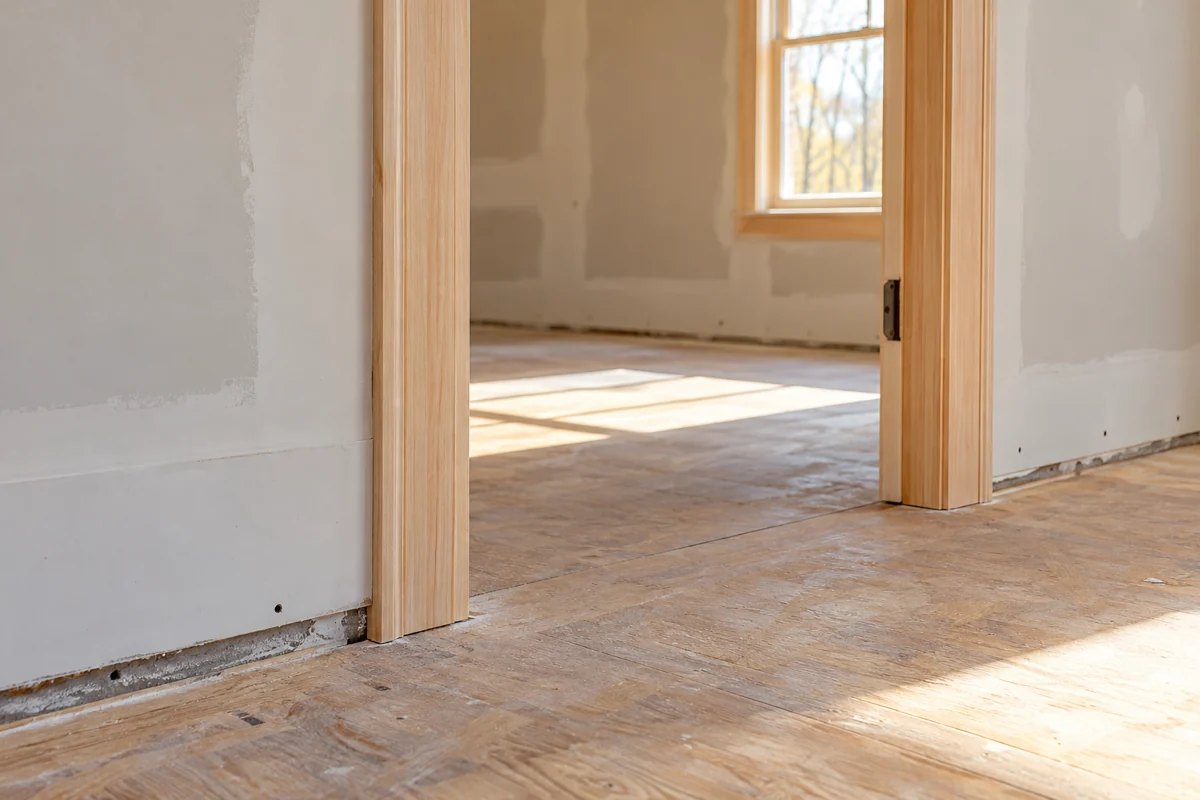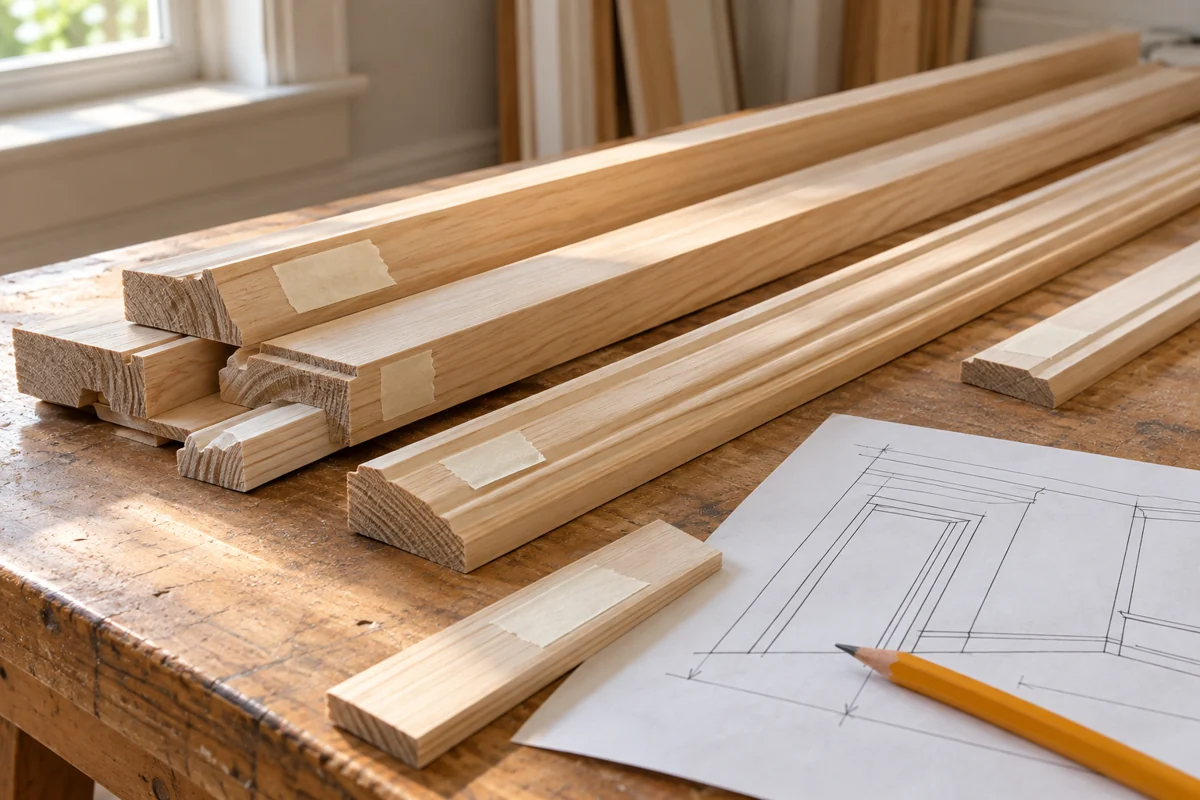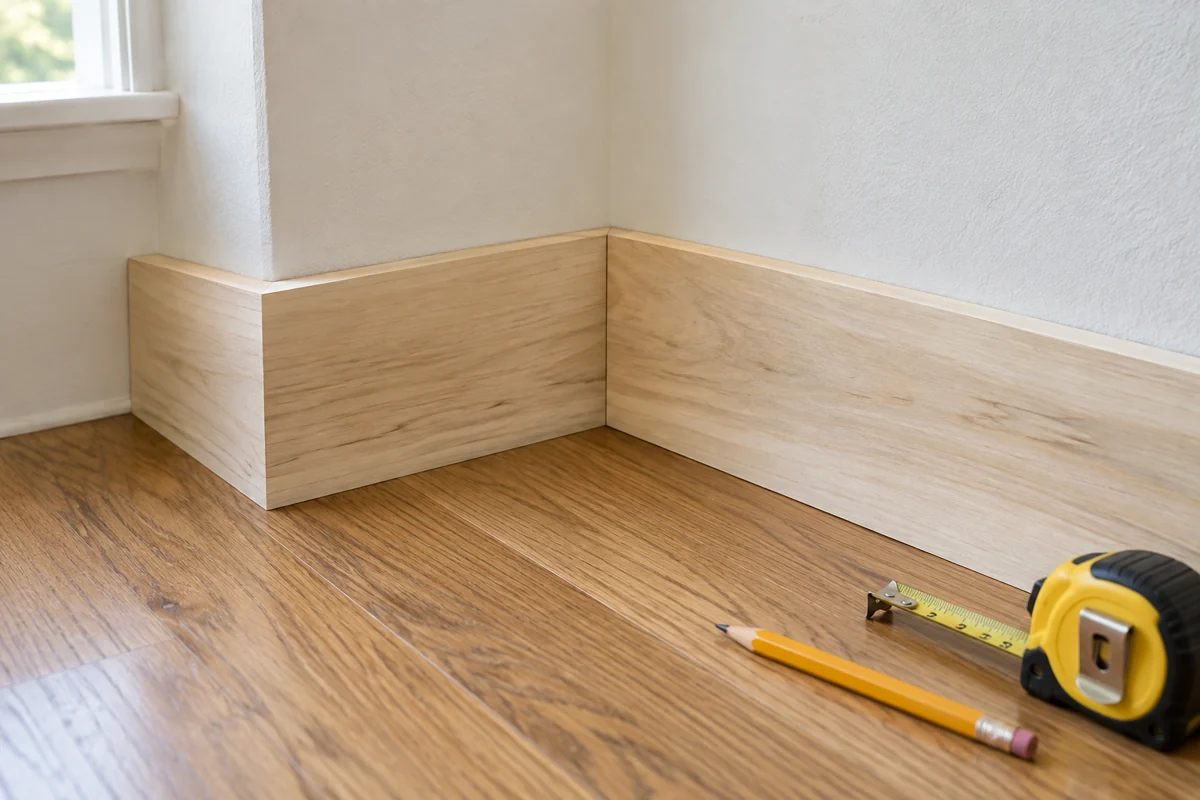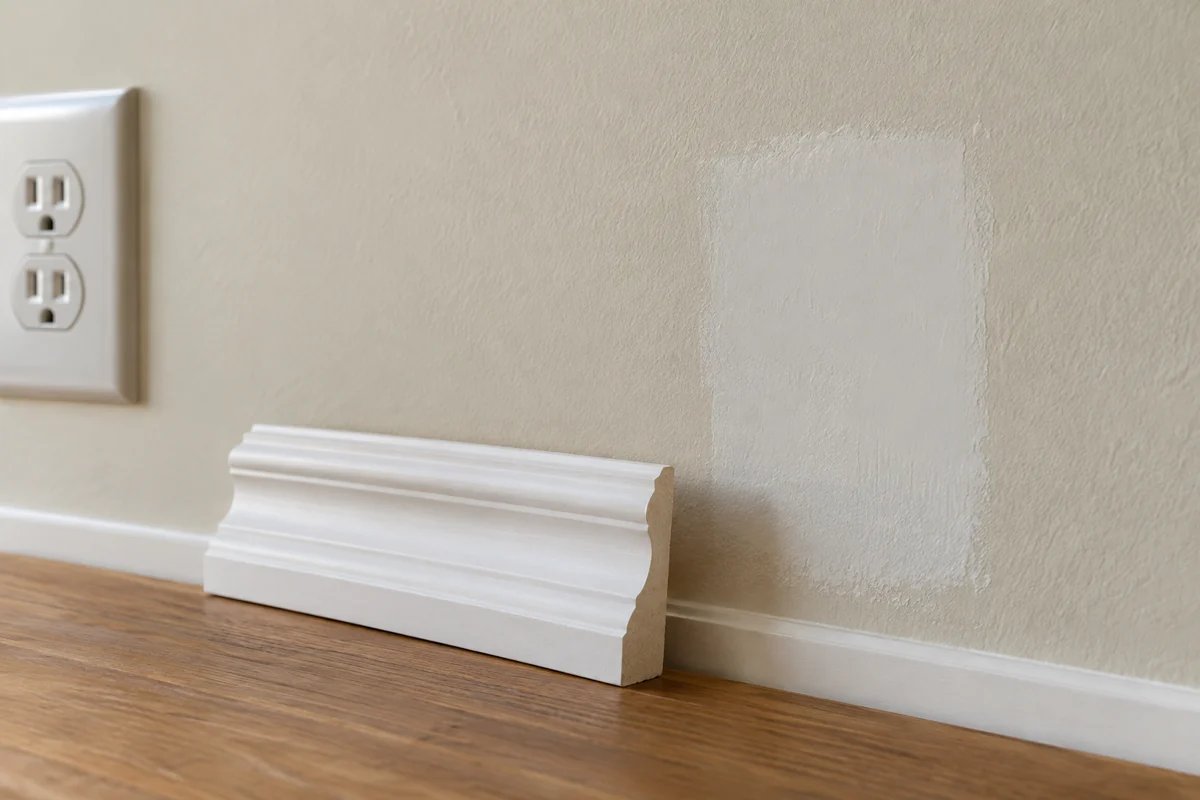
The back of a molding and the wall are not the only surfaces involved in a painted-wall bond. Between them may be primer, several paint layers, patches, wallpaper residue and the paper face of drywall. The connection can only be as reliable as the relevant layers in that assembly.
This is why a strong adhesive is not automatically a strong installation. If the paint is loose or poorly bonded, the adhesive may hold it firmly to the molding as both pull away from the wall. Before selecting a cartridge, establish whether the substrate is suitable for the manufacturer's system.
Inspect without turning it into demolition
Look for peeling, blistering, chalking, dampness and areas that sound or feel unsound under appropriate inspection. Ask about recent repairs or coatings. A wall that was painted yesterday may also need more curing time before an adhesive or masking product is applied.
Do not scrape or sand unknown old paint as an informal adhesion test. Pre-1978 or uncertain coatings need lead assessment before disturbance. If the condition cannot be established safely from accessible information, have it evaluated rather than treating a small damaged patch as harmless.
Check for wallpaper and other coverings. Bonding to a decorative layer is different from bonding to a sound prepared substrate. A smooth-looking wall can conceal a covering that will separate when stressed.
Match both sides of the connection
Read the molding installation requirements first. They may require a particular adhesive, mechanical fastening as well, or a different product at end joints. Then check that the adhesive explicitly suits the molding material, the wall surface and the conditions.
A factory coating on the back can matter just as much as the wall paint. Do not assume that a product suitable for unfinished wood also bonds to every wrapped, primed or synthetic surface. Ask the supplier if the documentation does not identify the combination.
Initial grab, open time and full cure are separate properties. A piece that stays in position for a few minutes has not demonstrated a completed bond. Use any required temporary support safely and allow the stated conditions and time before removing it.
A useful test has limits
A small sample made from the actual materials can reveal staining, surface damage or obvious incompatibility. It can also help evaluate whether the proposed cleanup method affects the wall finish. It does not create an engineering approval or replace the product's instructions.
For example, a short, light sample may stay attached while a long bowed board exerts continuing force on the bond. The sample has tested the surfaces under one condition, not proved that adhesive can straighten unsuitable stock. Fit the trim properly before evaluating the fixing system.
Removability should be part of the decision. A durable bond may tear drywall paper or remove paint during a later change. If the project is temporary or the property is rented, obtain the necessary permission and consider a design that can be restored realistically. A product advertised as strong is not promising a clean removal.
After installation, a separating piece deserves investigation. Determine whether failure occurred at the molding, adhesive, coating or wall layer. Reapplying a thicker bead over the remains can repeat the same weakness. The lasting repair comes from correcting the failed part of the assembly, then using a compatible system on a sound surface.